
Texas is known for its diverse wildlife and beautiful natural landscapes. From the Gulf Coast to the west Texas plains, the state offers numerous opportunities for outdoor enthusiasts to explore and appreciate its natural beauty. Whether you are a wildlife lover or enjoy spending time in nature, Texas has something to offer everyone. This guide will explore some of Texas's best national parks, wildlife refuges, and outdoor activities.
National Parks
Texas has two national parks showcasing the state's natural beauty. The Big Bend National Park is the largest and most remote national park in the United States. It features stunning desert landscapes, scenic drives, and an abundance of wildlife, including black bears, mountain lions, and javelinas. Another must-visit national park in Texas is the Guadalupe Mountains National Park, which boasts the highest point in Texas, Guadalupe Peak. The park features rugged mountains, canyons, and diverse wildlife, including the rare black bear and the peregrine falcon. Big Bend National Park tours Guadalupe Mountains hiking trails
Wildlife Refuges
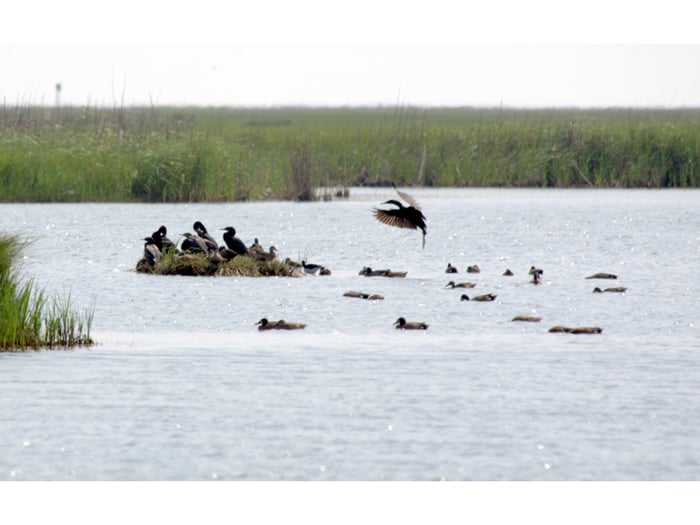
For wildlife enthusiasts, Texas offers many wildlife refuges that allow them to observe various animals in their natural habitat. The Aransas National Wildlife Refuge on the Gulf Coast is home to the world's largest flock of endangered whooping cranes. Aransas National Wildlife Refuge guide The Brazoria National Wildlife Refuge is another must-visit spot for birdwatchers, as it serves as a wintering ground for over 300 species of birds.
Outdoor Activities
Texas is a haven for outdoor activities, from hiking and camping to fishing and hunting. It is located in the Texas Panhandle and is a popular spot for hiking, biking, and horseback riding. It is also known for its stunning rock formations and the outdoor musical drama "Texas." Another popular location for outdoor enthusiasts is the Enchanted Rock State Natural Area in the Hill region. The park features a massive pink granite dome that offers fascinating views of the surrounding landscape. Texas also offers excellent opportunities for fishing and hunting. The Gulf of Mexico has various fish, including red snapper, kingfish, and tuna. The state also boasts a large population of white-tailed deer, making it a prime destination for hunters.
Whether you're looking to enjoy the natural beauty of Texas or observe its diverse wildlife, the state has something to offer for everyone. With its numerous national parks, wildlife refuges, and outdoor activities, Texas is a must-visit destination for any nature enthusiast. Book a trip with Texas Shuttle Services today to experience the best of Texas' wildlife and natural landscapes.
Frequently Asked Questions
How do I book a shuttle service for my trip to Big Bend National Park?
You can book online 24/7 through the Texas Shuttle Services website or by phone.
Is it possible to have a private ride instead of sharing with others?
Yes, a private/no-sharing ride is available as an add-on at booking.
What kind of vehicles will I be transported in for my trip to the Guadalupe Mountains National Park?
You'll be picked up and dropped off in professional, vetted drivers' clean late-model sedans, SUVs, or vans based on your party size.
Will the shuttle service adjust if there are flight delays at the airport?
Yes, flights are monitored for airport pickups, so the driver will adjust to any delays.
Best Texas State Parks and Natural Areas for Wildlife Watching: At a Glance
Beyond the two national parks covered above, Texas operates one of the largest state park systems in the country. According to the Texas Parks and Wildlife Department (TPWD), visitors can choose from over 80 parks, natural areas, historic sites and visitor centers across the state. If you are trying to decide where to spend your time, this quick comparison of standout destinations can help you match a park to the kind of wildlife and scenery you want to experience.
| Destination | Region | Signature Scenery | Wildlife & Nature Highlights |
|---|---|---|---|
| Big Bend National Park | Far West Texas | Desert canyons and the Chisos Mountains across more than 800,000 acres | Black bears, javelinas, roadrunners; sometimes called "Texas' Gift to the Nation" |
| Guadalupe Mountains National Park | West Texas | Eight of the ten highest peaks in Texas, including Guadalupe Peak | Peregrine falcons, mule deer, and McKittrick Canyon's surprisingly lush trail |
| Palo Duro Canyon State Park | Panhandle, near Amarillo | Dramatic multicolored canyon walls and rock formations | Roadrunners, wild turkeys, and abundant birdlife along the canyon floor |
| Enchanted Rock State Natural Area | Hill Country, about 1.5 hours from Austin | A massive pink granite dome with sweeping summit views | Rock squirrels, vultures, and unique granite-dwelling plants |
| Caddo Lake State Park | East Texas | Cypress trees draped in Spanish moss over slow-moving bayous | Herons, wood ducks, turtles, and one of the most atmospheric water landscapes in Texas |
| Caprock Canyons State Park | Panhandle Plains | Red-rock canyons and open grassland trails | The official Texas State Bison Herd roams the park's plains |
| Balcones Canyonlands National Wildlife Refuge | Hill Country, northwest of Austin | Wooded limestone hills and spring-fed creeks | Protected habitat for two endangered songbirds, the golden-cheeked warbler and black-capped vireo |
Every park on this list rewards visitors who arrive early, carry more water than they think they need, and check the latest conditions before setting out. Reservations matter, too: Big Bend is roughly 50% more visited than it was in 2016, and the busiest stretch runs October through April, so reserve campsites well in advance and plan to reach trailheads early for parking.
Creeks of Texas: The Small Waterways That Sustain Big Wildlife
When people picture Texas nature, they often imagine deserts and canyons, but the state's creeks are the quiet engines of its ecosystem. Central Texas alone is threaded with spring-fed creeks — Barton Creek in Austin, Hamilton Creek near Botticelli's famous Hamilton Pool, and the spring runs feeding the Guadalupe and San Marcos rivers. These waterways stay cool and clear year-round, which is exactly why so much Texas wildlife concentrates around them.
Creeks provide drinking water for white-tailed deer and other mammals, shelter for reptiles and amphibians, and corridor habitat that lets animals move safely between larger natural areas. In the Hill Country, several fish and salamander species exist nowhere else on Earth, adapted to specific spring systems. When you hike a creek-side trail — the Barton Creek Greenbelt in Austin is one of the most accessible examples — you are walking through the densest wildlife habitat in the region. Bring binoculars: kingfishers, herons, and turtles are common sights even close to the city.
Hunting and Fishing: How Texans Keep Wildlife and Nature Thriving
Conservation in Texas is funded in large part by hunters and anglers. Through license sales and excise taxes on equipment, they support the habitat work, research, and stocking programs run by TPWD. The state even celebrates National Hunting and Fishing Day each September, recognizing the role sportsmen and sportswomen play in keeping Texas wild. If you are new to the outdoors, TPWD publishes beginner resources for both hunting and fishing that explain licensing, seasons, and where to go.
Fishing Texas Waters: What to Know Before You Go
Saltwater anglers heading offshore from Gulf Coast ports should know the current red snapper rules. In federal waters, red snapper season typically opens in late May with a daily limit of two fish per person and a minimum size of 16 inches. In state waters (within nine nautical miles of shore), red snapper fishing is open year-round with a daily limit of four fish per person and a 15-inch minimum. Always confirm current regulations on the TPWD website before your trip, since dates and limits can change from season to season.
Drawn Hunts: An Affordable Way to Access Prime Habitat
For hunters without access to private land, TPWD's Drawn Hunts program is one of the best-kept secrets in Texas wildlife and nature. Each year, the agency opens applications for thousands of hunts on public wildlife management areas and select private ranches, spanning everything from whitetail and exotic game to youth-only categories. The online application window for the 2026-2027 season is open now, with entry costs kept deliberately low — and Youth Only category entries are always free. Check tpwd.texas.gov for the full catalog and deadlines.
Free TPWD Tools Every Visitor Should Use Before a Trip
A little planning goes a long way in Texas, where distances between parks can stretch across hundreds of miles. TPWD offers several free tools that make trip planning easier:
- Park finder and path planner tools: Search the full list of more than 80 state parks, natural areas, historic sites and visitor centers, and map which parks fall along your driving route — useful if you are road-tripping between, say, Austin and the Panhandle.
- TPWD News and hot topics updates: Before you go, check the latest news for park closures, burn bans, hunting and fishing season announcements, and other hot topics that could affect your visit.
- Texas Parks & Wildlife magazine and the "Better Outside" podcast: Both are great ways to learn the terrain before you arrive. Episodes like "Cactus Sniffing in the Desert" — which follows specially trained conservation detector dogs working in West Texas — give you a genuine feel for the state's wild places and the people who protect them.
- Drawn hunts and license portals: Apply for hunts, buy licenses, and review regulations in one place. If you provide any personal information on TPWD's site, note that children under 13 must have a parent or guardian's consent.
If you spot a wildlife crime while out exploring, TPWD also operates a poaching hotline — Operation Game Thief — so every visitor can help protect the resource.
How to Get to Texas' Natural Wonders
Texas' size is part of its charm but also its challenge. Palo Duro Canyon sits near Amarillo in the Panhandle, while Big Bend lies more than 500 miles southwest along US-90 and TX-118 near the border town of Alpine. Enchanted Rock is an easy drive west of Austin via TX-71 and US-281 through Fredericksburg, and Caddo Lake sits near the Louisiana line off TX-43. Flying into a major hub and connecting onward is often the smartest play: routes between Dallas and Houston connect easily to Hill Country parks, while Austin's trail scene makes an excellent base for Enchanted Rock and Balcones Canyonlands. A reliable shuttle service lets you enjoy the scenery instead of watching the road.

Plan Your Texas Wildlife and Nature Trip Today
From the cypress bayous of Caddo Lake to the granite dome of Enchanted Rock and the bison plains of Caprock Canyons, Texas wildlife and nature offer more variety than almost anywhere else in America. Pick your parks, check TPWD for current conditions, reserve early for the October-through-April busy season, and let the transportation details take care of themselves. Your next wild Texas adventure is closer than you think.
Frequently Asked Questions
What is the best time of year to visit Texas state parks for wildlife?
October through April is the busiest and often the most comfortable season, especially in West Texas where summer heat is intense. Hike in the cooler parts of the day and bring plenty of water year-round.
Do I need a reservation to visit Big Bend National Park?
You should plan ahead. The park has grown roughly 50% more popular since 2016, and campsites must be reserved online up to six months in advance — last-minute spots are rarely available.
How long is the hike to Guadalupe Peak?
The climb to the highest point in Texas is about eight and a half miles round trip from the parking lot. Park visitor centers typically close around 4 p.m., so start early.
Can beginners go hunting or fishing in Texas?
Yes. TPWD offers dedicated Hunting for Beginners and Fishing for Beginners resources, plus a Drawn Hunts program with thousands of opportunities each season, including free Youth Only entries.
What are the red snapper limits in Texas?
In federal waters, the daily limit is 2 fish per person with a 16-inch minimum; in state waters, the season is open year-round with a 4-fish daily limit and a 15-inch minimum. Always confirm current rules with TPWD before fishing.
Which Texas park is best for seeing bison?
Caprock Canyons State Park in the Panhandle Plains is home to the official Texas State Bison Herd, which roams freely within the park.
How far is Enchanted Rock from Austin?
Enchanted Rock State Natural Area is roughly an hour and a half from Austin, making it one of the most convenient big-nature day trips in Central Texas.