
If it's in Texas, it has to be bigger and better. Architects followed that motto when designing the Capitol Building in Austin. It was once the tallest capitol building in the United States. Others may be taller now, but this is still a lovely structure that showcases many of Texas' natural resources, such as limestone and landscapes. best hiking trails Dallas Love Field guide
The granite Texas statehouse is a testament to the Lone Star State's history. The Texas Capitol is widely regarded as one of the most distinguished state capitols in the country.
Austin is home to the Texas State Capitol, the state's fourth building and the seat of the Texas government. Dallas Love Field guide Lindsay Walker oversaw the construction of this magnificent structure from 1882 to 1888. It first opened to the public on April 21, 1888, on San Jacinto Day. The Texas State Capitol building, designed by Elijah E. Myers, is the largest of the State Capitol buildings. The Renaissance Revival architecture of the building is well-known. It is a one-of-a-kind example of late-nineteenth-century public architecture, with round arches, classical orders, and asymmetrical composition.
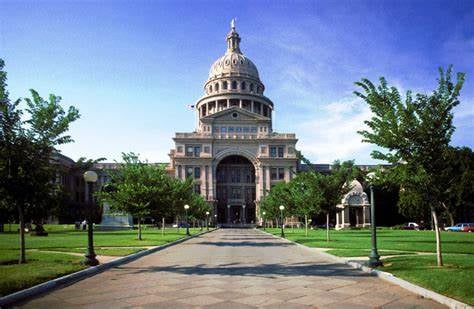
Design And Features
The State Capitol Building's structural exterior is made of 'Texas Pink Granite,' now marketed as "sunset red" granite. The rotunda, which also functions as a "whispering gallery," houses portraits of all Texas governors. Sculptures by Stephen F. Austin and Elisabet Ney of Sam Houston grace the lobby of the building. The Texas State Capitol stands nearly 15 feet (4.5 meters) taller than the National Capitol and has the most floor space of any Capitol building. The granite Ten Commandments monument, which was the focus of a 2005 U.S. Supreme Court case, Van Orden v. Perry, is a significant attraction on Capitol grounds.
The Texas State Capitol Building is located on the highest point in Austin. Its southern façade provides a breathtaking view of the Colorado River and anchors the northern outskirts of the downtown commercial district. Austin sunset views The University of Texas at Austin's main campus is only four blocks away. The Texas State Capitol Complex is a popular tourist destination in the heart of downtown Austin.
Texas Shuttle will assist you in planning your trips to the Texas State Capitol in Austin, Texas. We will pick and drop you off at the specified locations. Almost all rides in nice cars, SUVs, or shuttles are nonstop. We are available around the clock. You can also change the time or date with us for free. With us, there is less hassle, and you save more money. The Texas Shuttle is more secure, affordable, flexible, and convenient than any other mode of transportation. Book a ride with us this weekend to have a fun and productive weekend.
Frequently Asked Questions
What is the height of the Texas State Capitol compared to the National Capitol?
The Texas State Capitol stands nearly 15 feet (4.5 meters) taller than the National Capitol.
When did the Texas State Capitol first open to the public?
The Texas State Capitol first opened to the public on April 21, 1888, on San Jacinto Day.
What natural resources are showcased in the Texas State Capitol building?
The building showcases limestone and 'Texas Pink Granite,' now marketed as 'sunset red' granite.
Can I see a view of the Colorado River from the Texas State Capitol?
Yes, the southern façade provides a breathtaking view of the Colorado River.
Visiting the Texas State Capitol: What to Expect
The Texas State Capitol welcomes visitors year-round, and admission to the building and its grounds is free. Self-guided tour brochures are typically available, and free guided tours led by trained docents are offered on a regular schedule throughout the day, subject to the legislative calendar. Because tour times can change when the Legislature is in session or during special events, it is smart to confirm current hours and tour availability through the official State Preservation Board before you go.
Most visitors spend between one and two hours inside. Highlights include the rotunda with its governor portraits and famous whispering gallery, the House and Senate chambers when they are open to the public, and the terrazzo floor mosaics that depict scenes from Texas history. Security screening is in place at public entrances, so allow a few extra minutes and travel light.
How to Get to the Texas State Capitol
The Capitol sits at the northern end of Congress Avenue in downtown Austin, anchoring one of the most iconic sightlines in Texas. The building is just a few blocks east of Interstate 35 and roughly a mile from MoPac Expressway (Loop 1), making it easy to reach from anywhere in the metro area. Visitors arriving from Dallas, Houston, or San Antonio will typically exit I-35 near downtown and follow signs to the Capitol Complex.
Parking is available in the Capitol Visitors Parking Garage, which is accessed fromCongress Avenue between 12th and 13th Streets. Street parking downtown is limited and metered, so the garage is usually the simplest option. If you prefer not to drive, Capital Metro buses run along Congress Avenue, and rideshare drop-offs are common along the perimeter of the grounds. For travelers flying in, Austin-Bergstrom International Airport is about a 20–30 minute drive in normal traffic.
Texas State Capitol vs. the U.S. Capitol: A Side-by-Side Comparison
Visitors are often surprised to learn that the Texas State Capitol outdoes the National Capitol in both height and floor space. Here is how the two buildings compare:
| Feature | Texas State Capitol | U.S. Capitol (Washington, D.C.) |
|---|---|---|
| Completed | 1888 | Originally completed in stages during the 1800s |
| Architectural style | Renaissance Revival | Neoclassical / American Renaissance dome |
| Exterior material | Sunset red granite from Central Texas | White sandstone, marble, and brick |
| Height | Nearly 15 feet taller than the National Capitol | Baseline for comparison |
| Notable feature | Goddess of Liberty statue crowning the dome | Statue of Freedom crowning the dome |
The comparison is more than trivia. It reflects the ambition of 19th-century Texans who wanted their statehouse to announce that Texas had arrived as a major state. The result remains one of the largest and most recognizable capitols in the United States.
Exploring the Capitol Grounds and Monuments
The grounds surrounding the Capitol are worth an hour on their own. Monument-lined walkways radiate from the building, and interpretive markers explain each site. Well-known monuments on the grounds include the Heroes of the Alamo monument on the south lawn and the granite Ten Commandments monument, the subject of the 2005 U.S. Supreme Court case Van Orden v. Perry. Informal signage throughout the complex identifies trees and plantings, and the manicured lawns are a favorite picnic spot for state workers and families alike.
Photographers should plan around golden hour. The sunset red granite takes on a warm glow in late-afternoon light, and the view looking south down Congress Avenue — with the dome perfectly framed against downtown Austin — is one of the most photographed scenes in the city.
Don't Miss the Underground Capitol Extension
Many first-time visitors walk right past one of the complex's most impressive features: the Capitol Extension, an underground addition that opened in the 1990s to house legislative offices and hearing rooms. Designed to preserve the historic silhouette of the building above, the extension uses skylights and open atria to bring natural light down four levels. Public tunnels connect the extension to the main Capitol, and the rotunda of the extension features its own striking circular skylight. It is a fascinating example of how a historic landmark was expanded without altering its exterior appearance.
What to See Near the Texas State Capitol
The Capitol's downtown location puts several of Austin's top attractions within easy walking distance:
- Bullock Texas State History Museum: A few blocks south on Congress Avenue, this museum pairs perfectly with a Capitol visit for anyone wanting a deeper dive into the story of Texas.
- Blanton Museum of Art: Located on the University of Texas campus just north of the Capitol, the Blanton houses one of the largest university art collections in the country.
- University of Texas at Austin: The main campus begins roughly four blocks from the Capitol, and the UT Tower is visible from the Capitol grounds.
- South Congress and downtown Austin: Head south past the Texas Capitol Complex and you'll reach the shops, restaurants, and music venues that define the city.
Pairing the Capitol with the Bullock Museum makes for an ideal half-day itinerary, all of it walkable if you park once.
Best Times to Visit the Texas State Capitol
Weekday mornings tend to be the quietest time inside the building, especially outside the legislative session, which convenes in odd-numbered years. Spring is a popular season thanks to mild weather and wildflowers on the grounds, while Texas summers make the air-conditioned interior a welcome midday stop. If you want to see state government in action, check the legislative calendar — watching a House or Senate session from the public galleries is a memorable experience, though seating is first come, first served.
Frequently Asked Questions
Is the Texas State Capitol free to visit?
Yes. Admission to the Texas State Capitol building and grounds is free, and free guided tours are generally offered on a scheduled basis. Confirm current hours with the State Preservation Board before your visit.
Who designed the Texas State Capitol?
The building was designed by architect Elijah E. Myers and constructed from 1882 to 1888, opening to the public on San Jacinto Day, April 21, 1888.
Where did the Capitol's granite come from?
The exterior is clad in sunset red granite, originally known as Texas pink granite, quarried in Central Texas. Using native stone was both a practical and a symbolic choice, showcasing the state's natural resources.
Is the Texas State Capitol taller than the U.S. Capitol?
Yes. The Texas State Capitol stands nearly 15 feet (4.5 meters) taller than the National Capitol in Washington, D.C., and it also has more floor space.
How long should I plan for a visit?
Most visitors spend one to two hours inside the Capitol, plus additional time for the grounds, monuments, and the underground Capitol Extension. Adding the Bullock Museum next door can fill a full half-day.
Can I watch the Legislature in session?
Yes, public galleries overlook the House and Senate chambers when the Legislature is meeting. Session days draw larger crowds, so arrive early if you want a seat.
Where should I park when visiting the Capitol?
The Capitol Visitors Parking Garage, located off Congress Avenue between 12th and 13th Streets, is the most convenient option. Downtown street parking is limited, so plan accordingly during busy periods.