
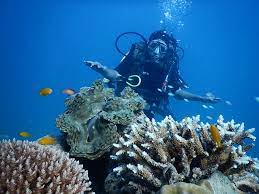
Scuba Diving is one of the most adventurous sports we have on our bucket list. The experience of scuba diving is different everywhere and is worthwhile every time. The underwater world can truly surprise us. Once you start doing Scuba Diving, there's no going back. There are so many places where one must go scuba diving. Austin travel guide Once you dive, you will realize that it's the most peaceful place in the world. You can explore the underworld without any restrictions. You can see different beautiful water species and their surroundings. It's mesmerizing to watch a whole new world unravel in front of your eyes. Here are a few spots in Austin where you can go for scuba diving:
1. Spring Lake
To dive in here, you just have to get a science diving certification. This is easy to get as you will find many local diving shops which will provide you with complete training. This place has around 8 endangered species and 200 artesian springs, with many biological and archaeological research sites. You can find turtles in abundance here. It has a temperature of 72 degrees throughout the year. It has a maximum depth of 25 feet in the lake.
2.Reveille Peak Ranch
Reveille Peak Ranch is said to be one of the best spots for scuba diving in Austin. This place has a visibility of 20-30 feet; you can see the graphite bottom and the granite walls around it. You'll see the graphite sparkling with dive lights when you dive in. You can see hydrilla plants for the first 10 -15 feet of water. Amidst the shallowness of the Hydrilla plants, new varieties of fishes can be spotted. Going further, you'll find granite, marble, sandstones, shear walls, and limestones embracing graphite.
3. Canyon Lake
Canyon Lake features plenty of diving sites, including North Park and Comal Park. This place has a depth of 43 feet and a shoreline of 80 miles. Here you can encounter overgangs, fish shelters, boulders, ledges, old walls, and many sunken objects like cars, motorcycles, and boats. Canyon Lake depth details The lake has a depth of more than 120 feet. Austin sunset spots It has an average visibility of 5-10 feet. You should try this place out, as it will never disappoint you.
Texas Shuttle will help you plan your ride to these fun scuba diving spots in Austin. You can book our Dallas to Austin shuttle service. We will pick you up and drop you off at your exact locations. Almost all rides are non-stop in nice cars, SUVs, or shuttles. We are available 24/7. You can also change the time or date with us without being charged. There's less hassle, and you save more money with us. The Texas Shuttle is safer, affordable, flexible, and more convenient than any other ride. Book a ride with us this season to experience that warm and stress-free holiday vibe. It even reduces the unwanted cost incurred on the fare of taxis and buses to reach home. We provide professional chauffeurs with uniform and clean vehicles. Our mission is to create lifetime customer loyalty by exceeding our customer's expectations in terms of service.
| Dive Site | Location / Nearest Highway | Typical Max Depth (ft) | Average Visibility (ft) | Key Features | Best For |
|---|---|---|---|---|---|
| Spring Lake (San Marcos Springs) | US 183, San Marcos (approx. 30 mi south of Austin) | ~25 | 15‑25 | Clear spring water, 200+ artesian springs, turtle populations | Natural springs, wildlife viewing |
| Reveille Peak Ranch | FM 1826, approx. 15 mi west of Austin | ~40 | 20‑30 | Granite walls, graphite bottom, hydrilla beds | Rock formations, photography |
| Canyon Lake | I‑35 South, Exit 195 (FM 306), Comal County | 120+ | 5‑10 | 80‑mile shoreline, sunken boats, ledges, boulders | Wreck dives, varied terrain |
| Lake Travis (Lakeway area) | TX‑620 / FM 620, Lakeway (approx. 20 mi NW of Austin) | ~70 | 10‑20 | Rocky cliffs, deep drop‑offs, submerged trees | Deep diving, scenic views |
| Lake Walter E. Long (Decker Lake) | US 290 East, approx. 12 mi from downtown Austin | ~45 | 5‑10 | Open water, submerged brush, catfish, bass | Beginner‑friendly, shore diving |
Why Austin Is a Surprising Destination for Scuba Divers
When most people think of Texas diving, the ocean‑less interior of the state rarely makes the list. Yet the Austin area sits atop the Balcones Escarpment, a geological fault line that feeds dozens of clear springs, spring‑fed lakes, and man‑made reservoirs. These water bodies create surprisingly good visibility for freshwater diving, with spring‑fed sites maintaining temperatures in the low 70s °F year‑round (Source: Texas Parks & Wildlife Department). Add to that a thriving local dive community, and it’s easy to see why “scuba diving in Austin” is becoming a real alternative to coastal destinations.
Top Dive Shops and Certification Centers in the Austin Area
Austin is home to several PADI‑ and SSI‑affiliated dive shops that offer everything from introductory courses to advanced specialty training. The Austin Scuba Connection, located just off MoPac Expressway (Loop 1) in the North Loop neighborhood, runs regular pool sessions and open‑water checkout dives at nearby springs. Dive World Austin, near the Domain shopping district on Research Boulevard (US 183), stocks a full line of rental gear and provides guided trips to Canyon Lake and Lake Travis. Both shops publish current class schedules online and can help arrange equipment rentals, air fills, and transportation logistics.
Best Time of Year to Dive in Austin
Water temperature in Central Texas stays remarkably stable, hovering between 68 °F and 78 °F from spring through early autumn. Summer months (June‑August) bring the warmest surface temps, but increased algae growth can reduce visibility in some lakes. Fall (September‑November) often delivers the clearest water after the summer heat fades, making it the favorite season for photographers and underwater explorers. Winter dives are still possible, especially in spring‑fed sites where the water remains a constant 72 °F, though air temperatures can dip below 50 °F, requiring dry‑suit training.[ { "@context": "https://schema.org", "@type": "Organization", "name": "Go For Scuba Diving In Austin With Texas Shuttle", "url": "https://texasshuttle.com", "logo": "https://texasshuttle.com/logo.png", "contactPoint": { "@type": "ContactPoint", "telephone": "", "contactType": "customer service" } }, { "@context": "https://schema.org", "@type": "WebPage", "name": "Go For Scuba Diving In Austin With Texas Shuttle", "description": "There are so many places where one must go scuba diving. Plan your scuba diving day with the Texas Shuttle service and explore the world of the underground.", "url": "https://texasshuttle.com/blog/scuba-diving-in-austin" }, { "@context": "https://schema.org", "@type": "FAQPage", "mainEntity": [] }, { "@context": "https://schema.org", "@type": "LocalBusiness", "name": "Go For Scuba Diving In Austin With Texas Shuttle", "description": "There are so many places where one must go scuba diving. Plan your scuba diving day with the Texas Shuttle service and explore the world of the underground.", "url": "https://texasshuttle.com", "priceRange": "$$", "address": { "@type": "PostalAddress" } }, { "@context": "https://schema.org", "@type": "Service", "name": "Transportation Service", "description": "There are so many places where one must go scuba diving. Plan your scuba diving day with the Texas Shuttle service and explore the world of the underground.", "provider": { "@type": "Organization", "name": "Go For Scuba Diving In Austin With Texas Shuttle" } }, { "@context": "https://schema.org", "@type": "Product", "name": "Go For Scuba Diving In Austin With Texas Shuttle", "description": "There are so many places where one must go scuba diving. Plan your scuba diving day with the Texas Shuttle service and explore the world of the underground." }, { "@context": "https://schema.org", "@type": "Article", "headline": "Go For Scuba Diving In Austin With Texas Shuttle", "description": "There are so many places where one must go scuba diving. Plan your scuba diving day with the Texas Shuttle service and explore the world of the underground.", "url": "https://texasshuttle.com/blog/scuba-diving-in-austin", "datePublished": "2026-09-05T14:17:39.698Z" }, { "@context": "https://schema.org", "@type": "Event", "name": "Go For Scuba Diving In Austin With Texas Shuttle", "description": "There are so many places where one must go scuba diving. Plan your scuba diving day with the Texas Shuttle service and explore the world of the underground.", "url": "https://texasshuttle.com/blog/scuba-diving-in-austin" }, { "@context": "https://schema.org", "@type": "Review", "itemReviewed": { "@type": "LocalBusiness", "name": "Go For Scuba Diving In Austin With Texas Shuttle" } }, { "@context": "https://schema.org", "@type": "JobPosting", "title": "Position Title", "description": "There are so many places where one must go scuba diving. Plan your scuba diving day with the Texas Shuttle service and explore the world of the underground.", "hiringOrganization": { "@type": "Organization", "name": "Go For Scuba Diving In Austin With Texas Shuttle" } }, { "@context": "https://schema.org", "@type": "ContactPage", "name": "Contact Us", "url": "https://texasshuttle.com/blog/scuba-diving-in-austin" } ]