
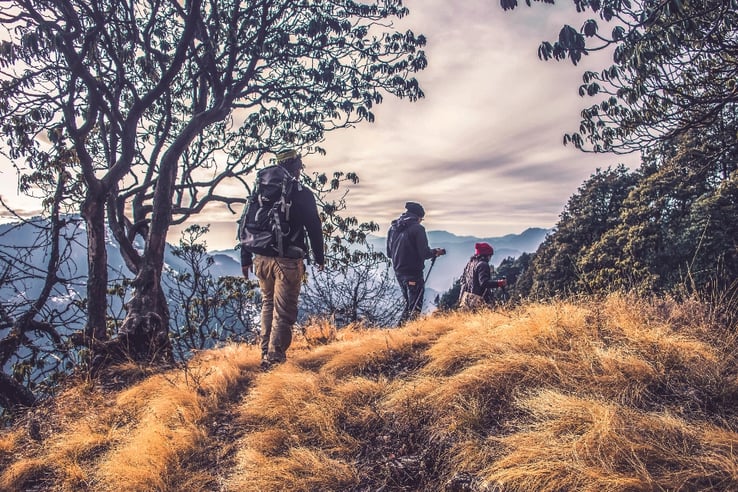
Hiking is a combination of both physical and mental abilities. Hiking teaches us many things, like how to slow down and be patient. It's also really good for our health. It makes us stronger and helps us to be physically fit. Hiking also brings us closer to nature. Dallas has many excellent hiking trails that you can explore on your weekends. Here's a list of a few that you can check out: Dallas hiking options
1. Spring Creek Forest Preserve
Spring Creek Forest Preserve Trail is located at 1770 Holford Road, Garland. It's a 2.3-mile trail. It's one of the best places for hiking in Dallas. The place is known for its crystal clear creek, paved paths, and wildflowers. You can find enormous trees of pecan, Shumard oak, sugar hackberry, elm, Chinquapin oak, and many more.
2. Cedar Ridge Nature Preserve
Cedar Ridge Nature Preserve is a 2 to 5.4miles long trail. It's located at 7171 mountain creek Pkwy, Dallas. It's an easy-to-moderate trail. This place has well-maintained and marked routes. It was formerly known as Dallas Nature Center. The preserve spreads across 600 acres lying between mountain creek parkway and FM1382. There are a couple of streams that you can enjoy along the route. There are many picnic spots and a butterfly garden as well.
3. Dogwood Canyon Audubon Center
Dogwood Canyon Audubon Center is located at 1206 FM1382, Cedar Hill. It's a 1.6 miles hiking trail with a moderate hike level. It's just 25 minutes away from downtown Dallas boasting some of the highest elevation points in Dallas County. This place is perfect if you want to have scenic views and take panorama pictures. This place is named after dogwood trees which are found in abundance. Scenic views near Dallas
Texas Shuttle will help you plan your ride to these adventurous hikes trails in Dallas. You can book our Dallas to Austin shuttle service. We will pick you up and drop you off at your exact locations. Almost all rides are non-stop in nice cars, SUVs, or shuttles. We are available 24/7. You can also change the time or date with us without being charged. There's less hassle, and you save more money with us. The Texas Shuttle is safer, affordable, flexible, and more convenient than any other ride. Book a ride with us this season to experience that warm and stress-free holiday vibe. It even reduces the unwanted cost incurred on the fare of taxis and buses to reach home. We provide professional chauffeurs with uniform and clean vehicles. Our mission is to create lifetime customer loyalty by exceeding our customer's expectations in terms of service.
Frequently Asked Questions
What kind of trees can I expect to see at Spring Creek Forest Preserve?
You'll find pecan, Shumard oak, sugar hackberry, elm, Chinquapin oak, and more at Spring Creek Forest Preserve.
Is Cedar Ridge Nature Preserve good for beginners?
Yes, Cedar Ridge Nature Preserve offers easy-to-moderate trails that are well-maintained and marked, making it suitable for beginners.
How long does the Dogwood Canyon Audubon Center trail take to hike?
The 1.6-mile trail at Dogwood Canyon Audubon Center is a moderate hike that typically takes about an hour to complete.
Are there picnic spots available along Cedar Ridge Nature Preserve?
Yes, Cedar Ridge Nature Preserve has several picnic spots and even includes a butterfly garden for visitors to enjoy.
Why Dallas Is a Surprisingly Great Hiking Destination
Contrary to popular belief, you don't need to drive hours to the Hill Country to find great hiking. Dallas sits at the crossroads of several ecosystems — the Blackland Prairie, the Cross Timbers woodlands, and the Trinity River bottomlands — and that mix shows up on the trail. Within city limits you can walk through one of the largest urban hardwood forests in the United States, climb to some of the highest elevation points in Dallas County, and stroll paved greenbelt paths shaded by native pecans and oaks. According to local guides like Dallasites101 and Outdoor Trekker, there is an abundance of hiking trails in or near Dallas — many of them free, family-friendly, and less than 30 minutes from downtown.
The trails here also showcase surprisingly diverse wildlife. Great blue herons stalk the Trinity River wetlands, white-tailed deer move through the Cedar Hill brush, and migratory songbirds pass through the preserves every spring and fall. If you've been putting off that first hike because you assumed Dallas was all highways and parking lots, the trails below will change your mind.
More Dallas-Area Trails Worth Adding to Your List
Arbor Hills Nature Center — Plano
Arbor Hills Nature Center, a 200-acre park about 20 miles north of downtown Dallas in Plano, offers 3 miles of paved hiking trail, 3 miles of unpaved hiking trail, and a 2.8-mile off-road bike trail. That variety makes it a genuine something-for-everyone option: stroller-friendly pavement for families, soft-surface loops for hikers who want a more natural feel, and a dedicated bike trail that keeps cyclists and walkers separated. Elevated overlooks and a mix of open meadow and wooded creek-bottom habitat round out the experience.
Oak Cliff Nature Preserve — Dallas
A local hidden gem less than 10 miles from downtown, the 121-acre Oak Cliff Nature Preserve sprawls across woodlands, prairies, and fields of seasonal wildflowers. Roughly 8 miles of multi-use hike and bike trails wind through the property, making it one of the most convenient quick escapes inside the city. Trail surfacing varies, so wear shoes you don't mind getting dusty after rain.
Trinity River Audubon Center — Dallas
The Great Trinity Forest covers roughly 6,000 acres and is the largest urban hardwood forest in the United States. The Trinity River Audubon Center sits right in the middle of it and, since 2008, has educated visitors about the flora and fauna native to the Dallas area. Just under 4 miles of trails wind through the open space surrounding the center, passing wetlands and river-bottom habitat — an ideal pick for hikers who only have a few hours and want a genuine nature immersion without leaving Loop 12.
Spring Creek Nature Area — Richardson
The Spring Creek Nature Area Trail is a 2.3-mile loop in the suburb of Richardson, and it's a great option for beginner hikers and wildlife enthusiasts alike. The bottomland forest here has survived as an island of old-growth habitat amid North Dallas development, and the flat, well-defined loop makes it easy to pace yourself.
North Shore Trail at Grapevine Lake — Grapevine
A short trip outside Dallas, Grapevine Lake is home to more than 8 different trails spanning 67 miles. The North Shore Trail is the most popular, running 22.5 miles from Rockledge Park to Twin Coves Park along the lake's north side. You don't have to hike the whole thing — shorter out-and-back segments with lake overlooks are easy to piece together, and the rocky, rolling terrain gives you a real workout close to DFW Airport.
River Legacy Parks — Arlington
River Legacy is a 1,300-acre park about 24 miles from downtown Dallas, offering over 8 miles of walking and biking trails along the Trinity River, plus picnic areas and abundant green space. The riverside canopy keeps things shaded in summer, and the flat terrain suits casual walkers and runners.
Eagle Mountain Park — Fort Worth
Worth the drive west: Eagle Mountain Park protects 400 acres of green space just outside Fort Worth, with more than 5 miles of trails ranging in difficulty and a scenic overlook of Eagle Mountain Lake. The variety of route lengths makes it a strong choice for families with mixed hiking abilities.
Lake Mineral Wells State Park — Penitentiary Hollow
About 1.5 hours from Dallas, Lake Mineral Wells is a 3,000-acre state park offering hiking, horseback riding, and even rock climbing. Inside the park, Penitentiary Hollow is a 1.2-mile rocky trail that passes the lake and winds through tall sandstone formations — some of the most dramatic terrain you'll find anywhere in North Texas. A daily entrance fee applies; check Texas Parks & Wildlife for current rates before you go, and arrive early on weekends since parking fills fast.
Dallas Hiking Trails at a Glance
| Trail | Location | Trail Mileage | Difficulty |
|---|---|---|---|
| Arbor Hills Nature Center | Plano | 6+ miles (paved & unpaved) | Easy to moderate |
| Oak Cliff Nature Preserve | Dallas | ~8 miles multi-use | Easy |
| Trinity River Audubon Center | Dallas | Just under 4 miles | Easy |
| Spring Creek Nature Area | Richardson | 2.3-mile loop | Easy |
| North Shore Trail | Grapevine Lake | 22.5 miles (segmentable) | Moderate |
| River Legacy Parks | Arlington | 8+ miles | Easy |
| Eagle Mountain Park | Fort Worth | 5+ miles | Easy to moderate |
| Penitentiary Hollow | Mineral Wells | 1.2 miles | Moderate (rocky) |
Planning Your Dallas Hike
What to Pack for Hiking in Dallas
Texas sun and heat are the biggest variables, not elevation. Bring more water than you think you need — at least a liter per person per hour in summer — plus sunscreen, a brimmed hat, and insect repellent for the river-bottom trails. A lightweight rain layer earns its spot in spring, and a printed or offline map helps on longer systems like the North Shore Trail, where cell coverage can be spotty near the shoreline.
What to Wear for Hiking in Dallas
Light-colored, breathable long sleeves beat tank tops in Texas because they shield you from sun and brush. Closed-toe trail shoes with decent grip handle the rocky stretches at Penitentiary Hollow and Dogwood Canyon, while paved loops like Arbor Hills are fine in everyday athletic shoes. In winter, mornings can start near freezing and warm up quickly, so dress in layers you can shed.
Seasonal Hiking in Dallas: When to Go
October through April is prime hiking season in Dallas — cooler temperatures, thinner crowds on weekdays, and wildflowers (bluebonnets and Indian paintbrush among them) peaking in spring. Summer hiking is best done early: be on the trail by 7 a.m., stick to shaded routes like River Legacy Parks or Spring Creek, and be off exposed terrain by late morning. Fall brings migrating birds to the wetlands at Trinity River Audubon Center, making it a favorite window for wildlife watchers.
Trail Etiquette and Safety
Keep dogs leashed — most Dallas-area preserves require it, and it protects both wildlife and your pet. Stay on marked trails to protect native prairie restoration areas, yield to uphill hikers, and pack out everything you pack in. If you're hiking alone, tell someone your route, and on hot days turn around before you're halfway through your water.
Frequently Asked Questions
Is Dallas actually good for hiking?
Yes. Dallas offers everything from easy urban loops at Oak Cliff Nature Preserve to rocky terrain at Dogwood Canyon and Penitentiary Hollow, plus the Great Trinity Forest — the largest urban hardwood forest in the U.S. Most trailheads are within 30 minutes of downtown.
What is the best time of year for hiking in Dallas?
Fall through spring (roughly October to April) offers the most comfortable temperatures. In summer, hike early in the morning and choose shaded riverside trails.
Are dogs allowed on Dallas hiking trails?
Most trails allow dogs on a leash, though rules vary by preserve. Always check the managing organization's guidelines before you go, and bring water for your dog.
Do I need to pay to hike near Dallas?
Most city and county preserves are free. State parks like Lake Mineral Wells charge a daily entrance fee — check Texas Parks & Wildlife for current rates.
Which Dallas trail is best for beginners?
Spring Creek Nature Area in Richardson is a flat 2.3-mile loop that's ideal for first-time hikers, and the paved trails at Arbor Hills Nature Center are another easy starting point.
How close are good hikes to downtown Dallas?
Very close. Oak Cliff Nature Preserve is under 10 miles from downtown, Dogwood Canyon is about 25 minutes away, and Cedar Ridge Preserve sits roughly 20 minutes from the city center.