
Texas is known for its stunning wildflower displays during the spring season. As the weather warms up, the state's fields and highways are covered in a variety of colorful blooms, attracting visitors from all over the world. From the famous Texas Bluebonnets to Indian Paintbrushes and more, there are plenty of wildflowers to see and admire. If you're planning a visit to Texas this spring, here's a guide to the best places to find wildflowers and when to go.
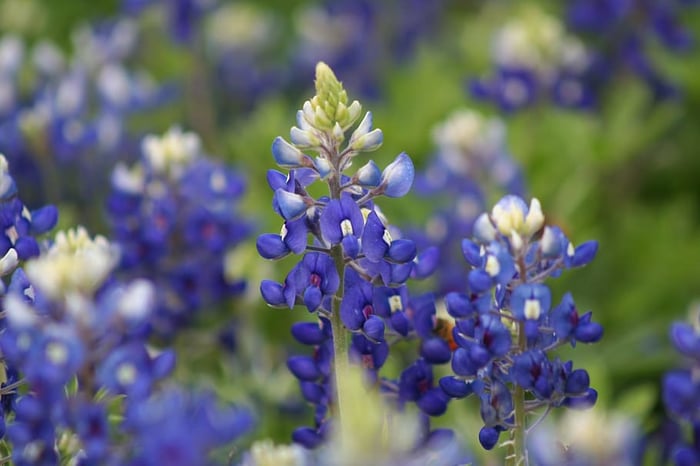
Ennis Bluebonnet Trails
The Ennis Bluebonnet Trails are one of the most popular destinations for wildflower enthusiasts in Texas. Located just 30 miles south of Dallas, Ennis is home to over 40 miles of mapped driving trails that wind through fields of bluebonnets and other wildflowers. The trails are open from April through May, and visitors can either take a guided tour or explore on their own. The Ennis Bluebonnet Trails Festival also takes place in April, featuring food, music, and arts and crafts vendors.
Lady Bird Johnson Wildflower Center
The Lady Bird Johnson Wildflower Center is a must-visit destination for nature lovers. travel between Austin and San Antonio Located in Austin, the center is dedicated to conserving and promoting native plants and features over 900 species of Texas wildflowers. Austin to San Antonio shuttle The center's gardens are designed to showcase the natural beauty of Texas, and visitors can take guided tours or explore on their own. The best time to visit is in April and May when the wildflowers are in full bloom.
Hill Country Wildflower Trail
The Hill Country Wildflower Trail is a scenic drive that winds through the rolling hills of the Texas Hill Country. Hill Country scenic drive tips The trail covers over 100 miles and takes visitors through fields of bluebonnets, Indian Paintbrushes, and other wildflowers. The best time to visit is in late March through April, and visitors can start the trail in Marble Falls, Llano, or Burnet.
Chappell Hill Bluebonnet Festival
The Chappell Hill Bluebonnet Festival is a yearly event that takes place in April in the small town of Chappell Hill. Chappell Hill festival details The festival features live music, food vendors, and arts and crafts, and visitors can also explore the town's historic buildings and take a driving tour to see the bluebonnets and other wildflowers in bloom.
Big Bend National Park
Big Bend National Park is a must-visit destination for outdoor enthusiasts and nature lovers. The park's vast landscape features a variety of wildflowers, including bluebonnets, Indian Paintbrushes, and Desert Marigolds. The best time to visit is in late March through early May, and visitors can take guided tours or explore on their own. Texas Shuttle offers shuttle services in Texas to take you to Big Bend National Park in comfort and style.
In conclusion, Texas is a wildflower lover's paradise, and spring is the best time to explore the state's natural beauty. From the Ennis Bluebonnet Trails to Big Bend National Park, there are plenty of destinations to choose from. Book your shuttle services in Texas today and get ready to experience the stunning wildflowers of Texas!
Frequently Asked Questions
When is the best time to see bluebonnets in Ennis?
The best time to see bluebonnets in Ennis is from April through May.
What kind of wildflowers can I expect to see at the Lady Bird Johnson Wildflower Center?
At the Lady Bird Johnson Wildflower Center, you can see over 900 species of Texas wildflowers, including bluebonnets and Indian Paintbrushes.
How long does it take to drive the Hill Country Wildflower Trail?
The Hill Country Wildflower Trail covers over 100 miles, so the duration depends on your pace, but it typically takes several hours to complete.
What events are happening in Chappell Hill during bluebonnet season?
During bluebonnet season, Chappell Hill hosts a festival featuring live music, food vendors, and arts and crafts, along with guided tours to see the wildflowers.
Wildflowers to Know Before You Go: A Field Identification Guide
Half the fun of wildflower hunting in Texas is being able to name what you're looking at. While bluebonnets get all the attention, they share the stage with dozens of other native blooms. Learning to identify a handful of the most common species will make every roadside stop more rewarding. Here is a quick comparison of the wildflowers you are most likely to encounter on a spring drive:
| Wildflower | Color & Appearance | Typical Peak | Where You'll See It |
|---|---|---|---|
| Texas Bluebonnet | Blue spikes with a white tip, the state flower | Late March–April | Hill Country, Ennis, Washington County |
| Indian Paintbrush | Scarlet-orange brushlike tops | March–May | Often mixed into bluebonnet fields |
| Pink Evening Primrose | Soft pink, cup-shaped blooms | March–June | Roadsides statewide |
| Firewheel (Indian Blanket) | Red petals ringed with yellow | April–June and into summer | Central and West Texas |
| Winecup | Deep magenta cup-shaped flowers | Spring into early summer | Hill Country pastures and roadsides |
| Desert Marigold | Bright yellow daisy-like blooms | Spring, blooms much of the year in wet periods | Big Bend and the Trans-Pecos |
The Willow City Loop: The Hill Country's Scenic Detour
If you're basing yourself in Fredericksburg, one detour belongs at the top of your list. The Willow City Loop, reached by turning north off TX 16 toward Willow City, is a roughly 13-mile circle of ranch land that explodes with bluebonnets, paintbrush, and phlox each spring. The route is a public road bordered by private ranches, so admire the flowers from your vehicle and never climb fences or walk into fields. Pair the drive with a stop in Fredericksburg itself, where Main Street's shops, German bakeries, and wineries make an easy afternoon. Combine this with the broader Hill Country Wildflower Trail out of Marble Falls or Burnet for a full weekend loop.
Washington County and the Brenham Back Roads
Between Austin and Houston lies Washington County, one of the most reliable bluebonnet regions in the state. The area around Brenham, along US 290 and the farm-to-market roads that branch off it, is famous for rolling pastures turned solid blue each April. The Washington County Chamber of Commerce publishes annual wildflower watch updates and self-guided route maps each spring, which are worth checking before you set out. The town of Independence, just north of Brenham, is another well-known hotspot, and its historic sites give you something to do between photo stops. This region works beautifully as a stop on a drive between the state's two biggest metros, and a Dallas to Houston shuttle rider can arrange a connecting ride into the Brenham area to explore at their own pace.
How Rainfall Shapes the Bloom (and How to Track It)
No two Texas wildflower seasons are alike. Bluebonnet germination depends on fall rain, and a dry autumn usually means a thinner spring bloom, while a wet fall followed by a mild winter can produce banner years. Because conditions vary so much, seasoned wildflower hunters track reports before driving hours for a display. The Texas Department of Transportation (TxDOT) publishes wildflower sightings and a wildflower travel map on its website each spring, and local tourism offices in Ennis, Brenham, and Fredericksburg post regular bloom updates. A good rule of thumb: the Hill Country and Washington County tend to peak in early to mid-April, while Ennis often blooms slightly later, and Big Bend's desert blooms arrive earliest in late March.
Wildflower Etiquette and Safety
A quick word on doing this the right way, because it matters for keeping these displays healthy year after year:
- Stay off private property. Many of the best roadside displays sit on ranch land. Fences are there for a reason; photograph from the shoulder or an obvious public pull-off.
- Don't pick the flowers. Contrary to persistent rumors, picking bluebonnets is not illegal in Texas, but TxDOT asks drivers not to pick or trample them, since doing so can prevent next year's seed set and damages the display for everyone.
- Park safely. Pull completely off the pavement onto a wide shoulder or designated pull-out, and watch for fast-moving traffic on rural farm-to-market roads.
- Watch your step. Spring is when snakes, fire ants, and chiggers become active in tall grass. Sturdy shoes and a quick scan of the ground go a long way.
- Leave no trace. Pack out food wrappers and water bottles — rural roadsides are often maintained by volunteers.
Photography Tips for Wildflower Season
You don't need a professional camera to come home with great shots. Shoot in the first two hours after sunrise or the last hour before sunset, when light is soft and golden. Get low — a bluebonnet field photographed from ankle height looks far more immersive than one shot from standing. Avoid bright midday sun, which washes out the blue tones, and include a landmark like an old barn, windmill, or live oak to give your photos a sense of place. If you're shooting family portraits in a field, stick to clear areas already devoid of dense bloom so you're not trampling flowers in the frame or out of it.
Stretching the Season: Wildflowers Beyond April
Missed the April peak? Don't write off the year. Firewheel, winecup, and evening primroses keep roadsides colorful well into May and June, especially north of Dallas. In West Texas, Big Bend National Park blooms on a desert clock: late March through early May brings cactus blossoms and desert marigolds, and summer rains can trigger unexpected second waves of color even into fall. If your travel dates land in the shoulder season, aim for higher-elevation spots like the Davis Mountains, where blooms typically run later than the low desert.
Planning Your Wildflower Trip from the Major Cities
The beauty of Texas wildflower hunting is that world-class displays sit within a short drive of every major metro. From Austin and San Antonio, the Hill Country routes out of Fredericksburg and Marble Falls are under two hours away. Dallas visitors have Ennis just down I-45, and Houston travelers can reach Brenham and Chappell Hill in under ninety minutes. If you'd rather enjoy the scenery than watch the road, Texas Shuttle offers airport transfers and city-to-city service across Texas, so you can land, relax, and step straight into spring. Book your ride early — wildflower weekends fill up fast — and get ready to see the Lone Star State at its most colorful.
Frequently Asked Questions
Is it illegal to pick bluebonnets in Texas?
No, picking bluebonnets is not illegal, but TxDOT asks visitors not to pick or trample them so the flowers can reseed and future displays remain strong.
What happens to the bloom if Texas has a dry winter?
Drought conditions can thin the bloom significantly. Bluebonnets need fall and winter rain to germinate and establish, so check TxDOT's wildflower map and local bloom reports before committing to a long drive.
Can I walk into wildflower fields for photos?
Only with permission — most roadside wildflower fields in Texas are on private ranch land. Stay on the public right-of-way unless a landowner or attraction has clearly opened a field to visitors.
Are there wildflowers to see in Texas outside of spring?
Yes. Early bloomers appear in South Texas and the Big Bend desert in late March, firewheel and winecup carry displays into early summer, and summer rains in West Texas can produce colorful late-season blooms.
Where should I stay for a Hill Country wildflower weekend?
Fredericksburg, Burnet, Marble Falls, and Llano all make convenient base towns, putting you within easy reach of the Willow City Loop and the Hill Country Wildflower Trail. Lodging books up quickly during peak bloom weekends, so reserve early.
How do I find out where wildflowers are blooming right now?
Check TxDOT's wildflower sightings map online, and follow the tourism pages for Ennis, Brenham, Washington County, and Fredericksburg, which post regular spring bloom updates.
Can I combine a wildflower trip with a shuttle between Texas cities?
Absolutely. Texas Shuttle runs service between Austin, San Antonio, Dallas, and Houston, letting you arrange ground transportation to wildflower regions like Washington County or the Hill Country without renting a car.