
Austin, Texas, is known for its vibrant cultural scene, and one of the best ways to experience that is by attending the city's many festivals and fairs. From music and food to art and film, Austin's festivals are a great way to immerse yourself in the local culture and have a great time. And with Texas Shuttle, getting to these events is easy and stress-free. Here are some of Austin's best festivals and fairs and why you should check them out. Texas Shuttle services Austin festival travel tips
South by Southwest (SXSW)
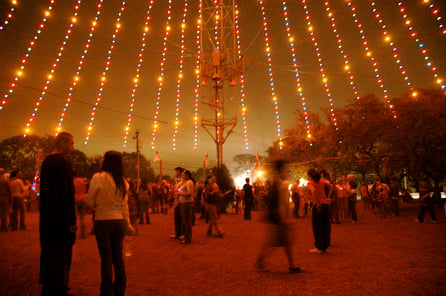
South by Southwest is one of the most well-known festivals in Austin, and for a good reason. With over 70,000 attendees each year, SXSW is a must-see event for anyone who loves music, film, or technology. This event features a diverse range of music, film, and interactive media, with performances and exhibits South by Southwest logistics
all over the city.
Texas Book Festival
The Texas Book Festival is an annual event that brings together authors, readers, and publishers from all over the country. This festival features book signings, readings, and panel discussions and is a great way to discover new authors and books. The festival also features a children's area, making it an excellent event for families.
Austin City Limits Music Festival
It is the country's largest and most popular music festival. This event features over 140 bands on eight stages and covers various musical genres. With headliners like Paul McCartney, Childish Gambino, and Guns N' Roses, this festival is a must-see for any music fan. Austin City Limits details
Texas Monthly BBQ Fest
Texas is known for its barbecue, and the Texas Monthly BBQ Fest is a celebration of this delicious cuisine. This event brings together the best pitmasters from all over the state, featuring live music and plenty of tasty food. If you're a fan of barbecue, this festival is a must-see.
Austin Film Festival
The Austin Film Festival celebrates all things film and features screenings, panel discussions, and Q&A sessions with filmmakers. This event is a great way to discover new movies and meet the people behind them. The festival also features a screenwriting competition, making it an excellent possibility for aspiring writers.
With Texas Shuttle, getting to these festivals and fairs is easy and stress-free. Our comfortable and reliable shuttles will contact you to your destination on time, so you can focus on having fun and experiencing all that Austin offers. Book your shuttle today and start exploring Austin's vibrant cultural scene.

Frequently Asked Questions
What kind of music can I expect at the Austin City Limits Music Festival?
You can enjoy a variety of genres with over 140 bands on eight stages, featuring headliners like Paul McCartney and Guns N' Roses.
Is there something for kids at the Texas Book Festival?
Yes, the festival includes a children's area, making it great for families to attend together.
How many authors typically participate in the Texas Book Festival?
The Texas Book Festival brings together authors, readers, and publishers from all over the country, though the exact number of authors varies each year.
What types of barbecue can I try at the Texas Monthly BBQ Fest?
You can sample dishes from some of the best pitmasters in Texas, featuring a variety of barbecue styles and flavors.
Beyond the Festivals: Experiencing the Vibrant Culture of Austin Year-Round
Austin's festivals are only part of the story. The vibrant culture of Austin shows up every single day of the year — in honky-tonks that never close their dance floors, in breakfast taco lines before sunrise, in public murals that double as landmarks, and in green spaces where locals swim, paddle, and gather. If you're planning a trip built around one of the city's famous events, it's worth carving out time for the everyday side of the city. This guide covers the neighborhoods, venues, food, art, and outdoor rituals that make Austin what it is, plus practical tips for getting around once you arrive.
Why Austin Is Called the Live Music Capital of the World
Austin has marketed itself as the "Live Music Capital of the World" — a claim rooted in the sheer density of venues packed into a compact downtown and the way live music threads through everyday life here. Unlike many cities where music is confined to concert halls, in Austin you'll find bands playing in grocery stores, airport terminals, breweries, and backyard patios.
Iconic Venues Worth a Visit
- The Continental Club — This historic South Congress venue has hosted rockabilly, country, and roots acts since the 1950s and remains a rite of passage for touring musicians.
- Broken Spoke — A legendary white-clad dance hall on South Lamar where visitors can take two-step lessons before the live band starts. It's one of the last true Texas honky-tonks in the city.
- Stubb's Bar-B-Q — A downtown institution that pairs barbecue with big outdoor shows in the heart of the Red River Cultural District.
- Antone's — The blues club credited with anchoring Austin's blues revival, now located in the downtown area.
- The Mohawk and Empire Garage — Red River District staples with multi-level stages that showcase indie, rock, and touring acts of every stripe.
The Red River Cultural District, just east of Congress Avenue downtown, is the easiest place to hear multiple bands in one night — many venues sit within a few blocks of each other.
A Neighborhood-by-Neighborhood Guide to Austin Culture
Austin's culture isn't concentrated in one district; it radiates outward from downtown in distinct pockets, each with its own personality.
South Congress (SoCo)
South Congress Avenue, directly across the Congress Avenue Bridge from downtown, is Austin's postcard street. Visitors come for the eclectic shops, food trailers, and the famous "I love you so much" mural painted on the side of Jo's Coffee. On weekends the street fills with street performers and pop-up vendors, and the views of the Texas State Capitol from the bridge are some of the best in the city.
East Austin
East of Interstate 35, Austin's east side is where the city's Mexican-American and Black cultural heritage meets a newer wave of music venues, taquerias, breweries, and murals. Historically significant areas around East 6th Street and East Cesar Chavez Street hold much of the city's cultural history, and the Mexican American Cultural Center on the north shore of Lady Bird Lake celebrates that legacy through art exhibitions and community programming.
Downtown and Rainey Street
Downtown Austin centers on Congress Avenue, anchored by the State Capitol at one end and the bridge over Lady Bird Lake at the other. A short walk east, Rainey Street is a residential block of converted historic bungalows turned bars and food halls, known for a laid-back, patio-heavy nightlife scene.
The University of Texas Area
Campus culture adds intellectual and artistic energy to the city, anchored by the Blanton Museum of Art — one of the largest university art museums in the country — and the university's sports traditions, including the Longhorns' football games at Darrell K Royal–Texas Memorial Stadium, which draw six-figure crowds on fall Saturdays.
Austin Cultural Neighborhoods at a Glance
| Neighborhood | Best For | Signature Spots | The Vibe |
|---|---|---|---|
| South Congress | First-time visitors, shopping, people-watching | "I love you so much" mural, Jo's Coffee, Congress Avenue Bridge views | Iconic, walkable, busy on weekends |
| East Austin | Murals, food trucks, local music, heritage | East 6th Street venues, Mexican American Cultural Center, taquerias | Eclectic, creative, rapidly evolving |
| Downtown / Red River | Live music, nightlife, landmark sightseeing | Stubb's, Texas State Capitol, Congress Avenue | High-energy, tourist-friendly |
| Rainey Street | Casual nightlife, patio drinks | Converted bungalow bars, food halls | Relaxed, social, walkable |
| UT / Campus area | Art museums, sports, academic culture | Blanton Museum of Art, DKR Stadium | Youthful, spirited, budget-friendly |
Food Culture: Barbecue, Tacos, and Food Trailers
Austin's food identity is built on three pillars: barbecue, Tex-Mex, and the food truck. The city's barbecue line culture is famous in its own right — spots like Franklin Barbecue on East 11th Street routinely draw lines that form hours before opening, a ritual many visitors treat as a cultural experience in itself. Beyond the famous brisket destinations, Austin is a breakfast taco city; locals debate their favorite version the way other cities debate pizza. The food trailer scene, clustered around lots in East Austin, South Congress, and Rainey Street, lets you sample everything from Korean fusion to traditional Mexican barbacoa in a single afternoon. Food culture here is casual by design — expect picnic tables, counter service, and pitmasters and chefs who will happily talk shop while you eat.
Art, Film, and History Beyond the Festivals
Even when SXSW and the Austin Film Festival aren't running, film and visual art are woven into the city. The Blanton Museum of Art and the Bullock Texas State History Museum downtown cover everything from European masterworks to the state's past, while the historic Paramount Theatre on Congress Avenue screens classic films and hosts touring performances in a beautifully restored 1915-era venue. Public art is part of daily life here — the "Greetings from Austin" postcard mural on South First Street is one of the most photographed spots in Texas — and smaller galleries cluster along East 6th Street and in the South First (SoFi) corridor.
Outdoor Culture: Lady Bird Lake, Barton Springs, and the Congress Avenue Bats
Austin's culture extends outdoors more than most big cities. Lady Bird Lake, a reservoir of the Colorado River along downtown's southern edge, anchors a trail system popular with runners and paddlers year-round. Barton Springs Pool, a spring-fed swimming hole inside Zilker Park, stays refreshingly cool through Texas summers and is open to the public daily. From March through roughly early fall, the Congress Avenue Bridge hosts one of the largest urban bat colonies in North America — an estimated 1.5 million Mexican free-tailed bats emerge at dusk to feed, drawing crowds to the bridge and to boat tours on the lake. For panoramic views, locals head to Mount Bonnell in the Covert Park area on the west side of town, one of the highest points in the city.
Getting Around Austin: Highways and Airports Visitors Should Know
Austin's layout is easy to grasp: Interstate 35 runs north–south and divides downtown from East Austin, while MoPac Expressway (Loop 1) is the primary western corridor. Travelers arriving via U.S. Highway 290 or State Highway 71 will connect to Austin–Bergstrom International Airport (AUS) on the city's southeast side. State Highway 130, the tolled eastern bypass, is often the faster route for drivers approaching from San Antonio who want to skip I-35 congestion entirely.
Because I-35 and downtown streets can bottleneck badly around major festivals and UT football weekends, many visitors opt for a scheduled Texas Shuttle service rather than renting a car or navigating rideshare surges. A shuttle drop near downtown puts you within walking distance of the Red River Cultural District, Congress Avenue, and the Lady Bird Lake trail — the heart of everything described above.
Frequently Asked Questions About Austin's Culture
What is Austin best known for culturally?
Austin is best known for live music — it has branded itself the "Live Music Capital of the World" — along with its festival scene, barbecue and breakfast tacos, and a blend of creative, tech, and outdoor lifestyles.
Which Austin neighborhood should first-time visitors explore?
South Congress is the classic first stop for its murals, shops, and Capitol views, but East Austin offers a deeper look at the city's heritage, music venues, and food trucks.
Where can I see live music in Austin without attending a festival?
The Red River Cultural District downtown has a cluster of venues including Stubb's and the Mohawk, while the Continental Club on South Congress and the Broken Spoke on South Lamar offer iconic, year-round Texas music experiences.
When can I see the bats at Congress Avenue Bridge?
The bats typically return in spring and stay through early fall, emerging at dusk nightly. Arrive at the bridge or book a lake boat tour shortly before sunset for the best views.
Is Austin walkable for cultural sightseeing?
Downtown, South Congress, and Rainey Street are quite walkable and connected by the Congress Avenue Bridge and Lady Bird Lake trail. East Austin is best reached by car, rideshare, or shuttle from downtown.
What's the difference between Zilker Park and Barton Springs Pool?
Zilker Park is the large urban park hosting events like the Austin City Limits Music Festival, while Barton Springs Pool is the spring-fed swimming hole located within the park itself.
How do I get from Austin–Bergstrom International Airport to downtown?
AUS sits on the southeast side of the city, connected by State Highway 71. Shuttle service, rideshare, and taxis all serve the route; a pre-booked shuttle is a reliable option during busy festival weekends when traffic on SH-71 and I-35 can slow travel times.