
Beto & Son
Beto & Son is a Mexican-inspired restaurant located in Dallas, Texas. The restaurant is known for its upscale atmosphere, and its menu is designed to be shared among a group. They offer a variety of dishes, including tacos, ceviche, and enchiladas, as well as a selection of tequilas and mezcals. They also have outdoor seating with heaters.
It's open for lunch and dinner and has a bar with a wide selection of tequila and mezcals.
Bishop Arts District
The Bishop Arts District is a neighborhood in Dallas, Texas. Known for its unique local shops, art galleries, and restaurants. The area is home to a wide variety of businesses, including boutiques, vintage shops, home decor stores, and many popular restaurants and bars. The district is also home to several art galleries showcasing local artists' work. It is a popular destination for locals and tourists, known for its small-town charm and community atmosphere.
Pecan Lodge
Pecan Lodge is a BBQ restaurant located in Dallas, Texas. It is known for serving some of the best BBQs in the city and has a reputation for its delicious brisket, ribs, and pulled pork. The restaurant is located in the historic Dallas Farmers Market, a popular destination for locals and tourists. The restaurant is open for lunch and dinner. It's a casual spot with picnic tables and a line that can get long, but the wait is worth it for the BBQ.
Deep Ellum
Deep Ellum is a neighborhood in Dallas, Texas, known for its arts and culture scene, nightlife, and live music venues. It is home to a variety of bars, restaurants, and shops. Deep Ellum is known for its vibrant street art and murals, as well as its live music scene, featuring a variety of genres, including blues, rock, and hip-hop. The neighborhood is also home to several art galleries and theaters. It has a lively and bohemian atmosphere.
The Traveling Man
The Traveling Man is a series of sculptures in the Deep Ellum neighborhood of Dallas, Texas. They are a set of three sculptures created by artist Brad Oldham, each depicting a prominent, stylized figure of a man in a suit, holding a suitcase, and appearing to walk down the street. The sculptures are made of stainless steel and placed at three locations in the neighborhood. The Traveling Man sculptures are considered a landmark of the area and have become a popular spot for photos. They are often used as a meeting spot or a point of reference in the neighborhood.
Texas Shuttle is a transportation service that provides shuttle service from airports and other locations around Texas. They offer airport shuttle service to and from Austin, Dallas, Fort Worth, Houston, and San Antonio airports. The company also provides shuttle service for events and group transportation, corporate transportation, and private charter service. For more information, contact (817) 403-6196.

More Things to Do in Dallas: Attractions, Museums, and Outdoor Spots
Dallas is a big city with distinct neighborhoods spread across several major highways — Interstate 30 (I-30), Interstate 35E (I-35E), U.S. Highway 75 (Central Expressway), and the Dallas North Tollway — so planning your itinerary around the places below will save you serious drive time. Many of the city's marquee attractions cluster downtown and in the Arts District, while others are scattered through Oak Cliff, Uptown, and the park-filled neighborhoods along Turtle Creek and White Rock Lake.
Downtown and Arts District Essentials
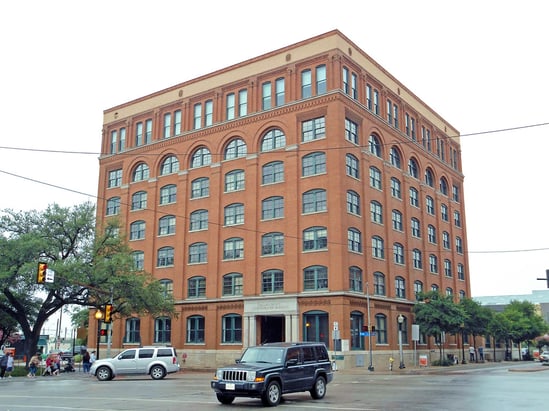
Dealey Plaza and the Sixth Floor Museum at Dealey Plaza. Dealey Plaza, at the western edge of downtown near the triple underpass where I-35E and I-30 converge, is a National Historic Landmark District and the site of President John F. Kennedy's assassination in 1963. The Sixth Floor Museum, located in the former Texas School Book Depository overlooking the plaza, chronicles the life, presidency, and legacy of JFK. Visitors should note that the museum generally uses timed tickets, so checking availability in advance is recommended.
Reunion Tower. The iconic geodesic sphere on the downtown skyline offers 360-degree observation decks with indoor and outdoor viewing areas. It sits adjacent to Union Station and Hyatt Regency Dallas, near the corner of Reunion Boulevard and Corbin Street, and is a short walk from Dealey Plaza — an easy pairing for a downtown day.
Klyde Warren Park. This 5.2-acre deck park is built over Woodall Rodgers Freeway (Spur 366) and physically connects downtown to the Arts District and Uptown. It features a children's park, reading room, performance pavilion, food trucks, and a restaurant. Because it links the Dallas Museum of Art, the Nasher Sculpture Center, and the Winspear Opera House within a few blocks, it makes an ideal midday stopping point.
Dallas Museum of Art (DMA). Located on Flora Street in the Arts District, the DMA holds a collection spanning thousands of years and cultures — from ancient art to contemporary works. General admission has historically been free, making it one of the best-value cultural stops in the city; verify current admission policies on the museum's website before your visit.
Nasher Sculpture Center. Also on Flora Street, the Nasher houses a renowned collection of modern and contemporary sculpture in a building designed by Renzo Piano, with a garden that many visitors consider a highlight in its own right. It sits directly across the street from the DMA.
Perot Museum of Nature and Science. This striking cube-shaped museum at the corner of Field Street and Woodall Rodgers Freeway features exhibits on dinosaurs, earth sciences, engineering, and the human body, plus a children's museum area. It's popular with families and can get busy on weekends and school holidays.
Comparing Dallas's Top Attractions
| Attraction | Area | Best For | Cost |
|---|---|---|---|
| Dealey Plaza & Sixth Floor Museum | Downtown (near I-35E/I-30) | History and JFK enthusiasts | Plaza is free; museum tickets required (check current rates) |
| Reunion Tower | Downtown | Skyline views and photos | Paid admission (check current rates) |
| Klyde Warren Park | Arts District/Uptown | Families, food trucks, a midday break | Free entry |
| Dallas Museum of Art | Arts District | Art lovers on any budget | General admission historically free; confirm online |
| Perot Museum of Nature and Science | Downtown/Arts District edge | Families and kids | Paid admission (check current rates) |
| Dallas Arboretum | White Rock Lake area | Gardens, seasonal festivals | Paid admission (check current rates) |
| Katy Trail | Uptown/Knox area | Walking, running, biking | Free |
Parks, Trails, and the Outdoors
Dallas Arboretum and Botanical Garden. Situated on the southeast shore of White Rock Lake off Garland Road (SH 78), the Arboretum spans dozens of acres of display gardens along the lakefront. It hosts major seasonal events, including the popular autumn festival with thousands of pumpkins and spring blooms like the Dallas Blooms festival. Because it's about 15–20 minutes from downtown by car, budget extra travel time — or combine it with a drive around White Rock Lake itself.
White Rock Lake. This reservoir just northeast of downtown is ringed by a popular trail used by runners, cyclists, and rowers, with picnic areas, fishing piers, and the historic Bath House Cultural Center. It's one of the most beloved outdoor spaces among locals and pairs perfectly with a visit to the Arboretum on the same side of town.
Katy Trail. This 3.5-mile rail-trail runs along the former Katy Railroad corridor through Uptown, with trailheads near American Airlines Center and the Highland Park border. It's paved, shaded in stretches, and lined with patios and coffee shops where the trail crosses streets like Travis Street and Knox Avenue.
Margaret Hunt Hill Bridge and Trinity Groves. The Santiago Calatrava–designed arched bridge spans the Trinity River just west of downtown along Spur 366. Walk or drive across for skyline photo angles, then continue to Trinity Groves, a restaurant and retail development on the west bank that has become a favorite dinner spot.
Day Trips and Nearby Stops
Arlington entertainment district. Between Dallas and Fort Worth along I-30, Arlington is home to Globe Life Field (Texas Rangers) and AT&T Stadium (Dallas Cowboys). Catching a game or touring a stadium is an easy half-day trip from Dallas.
Fort Worth Stockyards. Roughly 30–40 minutes west via I-30, the historic Stockyards in Fort Worth offer cattle drives, Western heritage museums, and rodeo events — a popular add-on for visitors who want a taste of cowboy culture during a Dallas stay.
Practical Tips for Visiting Dallas
- Getting around: DART light rail and bus service covers much of the city, with a Red, Blue, Green, and Orange line network radiating from downtown stations. Rideshares are widely available, and parking downtown is generally easiest in paid garages and surface lots.
- When to visit: Spring and fall offer the most comfortable weather. Summers are hot, so plan outdoor activities like the Arboretum or White Rock Lake for mornings.
- Cluster your days: Group downtown sights (Dealey Plaza, Reunion Tower, Klyde Warren Park) together, and save Oak Cliff (Bishop Arts, Pecan Lodge at the Dallas Farmers Market) for a separate outing across the Trinity River.
- Flying in: Dallas is served by Dallas/Fort Worth International Airport (DFW) between Dallas and Fort Worth, and Dallas Love Field (DAL) northwest of downtown, home base for Southwest Airlines.
Frequently Asked Questions About Things to Do in Dallas
What is Dallas most famous for?
Dallas is best known for its role in JFK history (Dealey Plaza and the Sixth Floor Museum), its world-famous barbecue and Tex-Mex food scene, the Dallas Cowboys, major museums in the downtown Arts District, and neighborhoods like Deep Ellum and the Bishop Arts District known for live music, murals, and local shopping.
What are the best free things to do in Dallas?
Popular free options include strolling Klyde Warren Park, exploring the Bishop Arts District's shops, viewing the murals and Traveling Man sculptures in Deep Ellum, walking or biking the Katy Trail, driving around White Rock Lake, and visiting the Dallas Museum of Art (which has historically offered free general admission — confirm current policies online).
How many days do you need in Dallas?
Most visitors find that two to three days covers the highlights: one day downtown and in the Arts District, one day for food and neighborhoods like Deep Ellum, Bishop Arts, and the Farmers Market, and an optional day for the Arboretum, White Rock Lake, or a side trip to Arlington or Fort Worth.
What food is Dallas known for?
Dallas is famous for Texas-style barbecue — brisket at spots like Pecan Lodge is a rite of passage — along with Tex-Mex cuisine, steakhouse dining, and an increasingly diverse restaurant scene spanning Deep Ellum, Bishop Arts, and Uptown.
Is Dallas walkable for tourists?
Downtown and the Arts District are walkable and well connected by Klyde Warren Park, and Uptown is easy to navigate on foot or via the free McKinney Avenue Trolley. However, Dallas is overall a driving city — attractions like the Arboretum, White Rock Lake, and Bishop Arts require a car, rideshare, or DART ride.
What is the best time of year to visit Dallas?
Spring (March–May) and fall (October–November) offer mild temperatures and seasonal events, including spring blooms at the Dallas Arboretum. Summer months are very hot, so schedule outdoor activities early in the day, while winter is generally mild with occasional cold snaps.
How do I get from DFW Airport to downtown Dallas?
DFW Airport sits between Dallas and Fort Worth along the airport's own access roads connecting to SH 114, SH 183, and I-635. Travelers can reach downtown via the DART Orange Line light rail from DFW Airport Station, by rideshare, or by booking a shuttle service such as Texas Shuttle for a scheduled pickup to downtown Dallas or other destinations across Texas.