
As one of the largest cities in Texas, Dallas has a rich and diverse history that is still evident in its landmarks, museums, and cultural institutions. which Dallas airport to choose Whether you're a history buff or just curious about the city's past, exploring Dallas with Texas Shuttle can be a great way to discover the stories and events that have shaped the city over the centuries. Here's a guide to some of Dallas's most fascinating historical attractions and landmarks.
Dealey Plaza and the Sixth Floor Museum
The assassination of President John F. Kennedy on November 22, 1963, is one of the most significant events in Dallas's history. Today, the shooting site, Dealey Plaza, is a national historic landmark, and the Sixth Floor Museum at Dealey Plaza is dedicated to exploring the assassination and its aftermath. Visitors can see the window from which Lee Harvey Oswald fired the shots that killed the President and exhibit Kennedy's life, the investigation, and the legacy of the tragedy.
Dallas Heritage Village
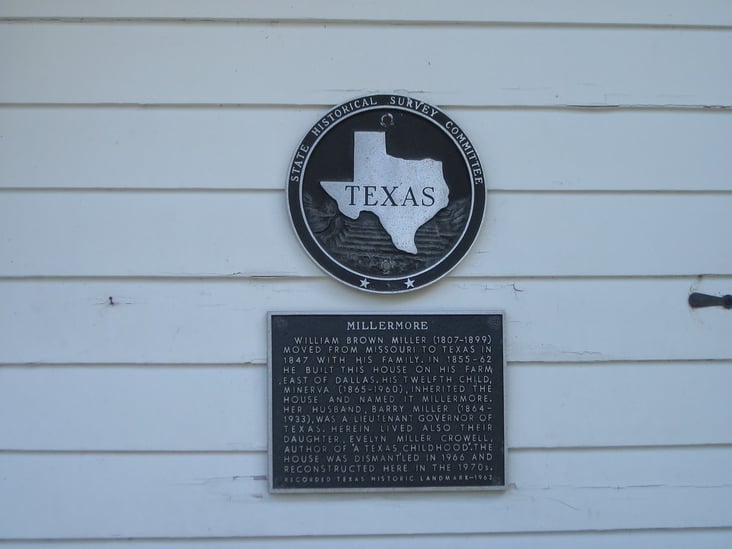
Step back to the 19th century at Dallas Heritage Village, a living history museum that features historic buildings, exhibits, and demonstrations of life in Dallas from 1840 to 1910. Located on 20 acres in the heart of the city, the village includes a schoolhouse, a general store, a doctor's office, and other authentic buildings from the era. Dallas Love Field airport guide You can take a guided tour, participate in hands-on activities, and learn about the daily lives of early Dallas residents.
The Old Red Museum of Dallas County History and Culture
Housed in a striking red sandstone courthouse building that dates back to 1892, the Old Red Museum of Dallas County History and Culture showcases the diverse and vibrant history of the county and the city. With exhibits on Native American cultures, pioneer life, and oil exploration, the museum comprehensively looks at the people and events that have shaped the region over the centuries. Take the chance to climb to the top of the restored clock tower for stunning views of the city.
The George W. Bush Presidential Library and Museum
Located on the campus of Southern Methodist University, the George W. Bush Presidential Library, and Museum is a fascinating look at one of the most consequential presidencies in recent history. The museum includes exhibits on the 9/11 attacks, the wars in Afghanistan and Iraq, the financial crisis, Hurricane Katrina, and other significant events during Bush's tenure. Visitors can also explore a replica of the Oval Office, view the extensive archives and collections, and learn about the Bush family's life and legacy.
From the tragic to the triumphant, the history of Dallas is a complex and fascinating story that continues to unfold. With Texas Shuttle, you can easily explore the city's historical attractions and get a deeper understanding of its past and present. Book your shuttle ride today and start your journey through Dallas's captivating history.

How Dallas Began: From John Neely Bryan's Trading Post to a Major City
To understand the history of Dallas, you have to start on the banks of the Trinity River in 1841. That's the year Tennessee lawyer and trader John Neely Bryan settled at a natural crossing point on the river and established a small trading post, recognizing the spot as an ideal meeting place for settlers, Native Americans, and traders traveling through North Texas. The town that grew around his cabin was formally laid out in the 1840s and incorporated in 1856.
The city's name is widely believed to honor George Mifflin Dallas, the Vice President of the United States under James K. Polk, though historians have long debated the exact origin — some accounts suggest other possible namesakes. What isn't debated is how quickly the settlement grew. By 1860, Dallas was the county seat of Dallas County, and the arrival of the railroads a decade later changed everything.
The Railroad Boom That Made Dallas
In 1872, the Houston and Texas Central Railway reached Dallas, followed in 1873 by the Texas and Pacific Railway running east–west. Dallas became one of the few Texas cities where two major rail lines crossed, and the effect was explosive. The city transformed from a modest frontier town into the commercial hub of North Texas almost overnight, serving as a center for the cotton trade, grain markets, and later the leather and cattle industries.
That commercial DNA never left the city. The Dallas Farmers Market, which developed along South Pearl Street downtown, remains one of the largest public markets of its kind in the country. Neiman Marcus opened its very first store on Elm Street in downtown Dallas in 1907, cementing the city's reputation as a retail destination that continues today along historic Elm Street in the Downtown Dallas and Neiman Marcus District areas.
A Timeline of Key Moments in the History of Dallas
For visitors exploring the city, this quick timeline puts the major attractions in chronological context:
| Year | Event | What You Can See Today |
|---|---|---|
| 1841 | John Neely Bryan establishes a trading post on the Trinity River | A replica of the Bryan cabin stands in West End Historic District near Dealey Plaza |
| 1856 | Dallas is formally incorporated as a town | Old Red Museum tells the county's founding story |
| 1872–1873 | Two major railroads reach Dallas, sparking explosive growth | The West End Historic District preserves the warehouse-era architecture |
| 1886 | The first State Fair of Texas is held in Dallas | Fair Park, a National Historic Landmark, hosts the fair each fall |
| 1907 | Neiman Marcus opens its first store in downtown Dallas | The flagship store still operates on Elm Street |
| 1936 | Dallas hosts the Texas Centennial Exposition at Fair Park | Art Deco buildings at Fair Park, including the Hall of State, remain open to visitors |
| 1958 | Jack Kilby of Texas Instruments demonstrates the first working integrated circuit in Dallas | Dallas's tech legacy continues along the Telecom Corridor north of the city |
| 1974 | Dallas/Fort Worth International Airport opens between the two cities | DFW remains one of the busiest airports in the world |
| 1985 | Bank of America Plaza opens, the tallest building in Dallas | Its green outline defines the downtown skyline at night |
Exploring Dallas's Most Historic Neighborhoods
Beyond the museums, the best way to experience the history of Dallas is to walk its historic districts. Each neighborhood tells a different chapter of the story, and comparing them helps you decide where to spend your time:
| District | Historical Significance | Best For |
|---|---|---|
| West End Historic District | Red-brick warehouses from the railroad era; home to the Sixth Floor Museum and the replica John Neely Bryan cabin | JFK history and 19th-century architecture |
| Deep Ellum | Industrial district that became a legendary jazz and blues hub in the 1920s and 1930s, drawing performers such as Blind Lemon Jefferson and Lead Belly | Music history, murals, and live venues |
| Bishop Arts District | Streetcar suburb in North Oak Cliff developed in the early 1900s, with historic storefronts preserved along Bishop Avenue | Walkable streets and independent shops |
| Fair Park | Site of the 1936 Texas Centennial Exposition, with one of the largest concentrations of Art Deco architecture in the United States | Architecture lovers and State Fair visitors |
| Dallas Heritage Village area | Living history museum of restored buildings from 1840 to 1910 | Families and hands-on history |
Fair Park: Art Deco on a Grand Scale
Fair Park, located about two miles east of downtown and reachable via MLK Jr. Boulevard off Interstate 30, deserves special mention. Built for the 1936 Texas Centennial Exposition, the park's Art Deco buildings, sculptures, and murals were designed to celebrate a century of Texas independence. Today the 277-acre grounds host the annual State Fair of Texas, and several of the historic structures, including the Hall of State, can be explored during the fair season. It's one of the most photographed historic sites in the city and a must-see for architecture enthusiasts.
Deep Ellum: Dallas's Music and Cultural Cradle
In the 1920s and 1930s, Deep Ellum — the commercial strip along Elm Street east of downtown — was the heart of Dallas's African American business community and a legendary stop on the blues circuit. Blind Lemon Jefferson performed here, and Lead Belly lived and played in the neighborhood. The district declined in the mid-20th century but has been revived as one of the city's most vibrant areas for live music, public murals, and restaurants, all set within the original historic brick buildings. The neighborhood's colorful history is documented in murals and markers throughout the area, including the iconic Traveling Man sculptures near Deep Ellum station.
Dallas in the 20th Century: Oil, Aviation, and Business
While Dallas is often associated with the Texas oil boom, the city's role was primarily as a financial and business center for the oil industry rather than a drilling town itself — the major East Texas oilfield discoveries of the 1930s made fortunes that were managed, financed, and spent in Dallas. Banks, insurance companies, and corporate headquarters multiplied downtown, giving rise to the skyline of glass towers you see today.
Modern landmarks layer onto that business history: Reunion Tower opened in 1978 and remains the city's most recognizable observation point, the Margaret Hunt Hill Bridge designed by Santiago Calatrava opened in 2012 to span the Trinity River, and Klyde Warren Park, built over Woodall Rodgers Freeway (Spur 366) in 2012, literally bridges the arts district and downtown.
Frequently Asked Questions About the History of Dallas
Who founded Dallas and when?
Dallas was founded in 1841 by John Neely Bryan, a trader from Tennessee who established a trading post at a natural crossing on the Trinity River. The town was incorporated in 1856 and became the seat of Dallas County.
How did Dallas get its name?
The most widely accepted account is that the city was named for George Mifflin Dallas, Vice President of the United States from 1845 to 1849. Historians note that other namesakes have been proposed over the years, but the vice president remains the most commonly cited origin.
Why did Dallas grow so quickly in the 1870s?
Two major railroads — the Houston and Texas Central in 1872 and the Texas and Pacific in 1873 — converged on Dallas, making it one of the few Texas cities served by crossing rail lines. This turned the town into the commercial center of North Texas for cotton, grain, and other goods.
What is the oldest historic site in Dallas?
Dealey Plaza, completed in the 1930s and designated a National Historic Landmark, is one of the city's most significant historic sites, both as part of the original city plan near John Neely Bryan's settlement and as the site of President Kennedy's assassination in 1963. Dallas Heritage Village preserves buildings from as early as the 19th century.
Is Dallas older than Fort Worth?
Yes, by a small margin. Dallas was founded in 1841, while Fort Worth was established in 1849 as an Army outpost on the Trinity River, about 30 miles to the west along what is now Interstate 30.
Where can I learn about Black history in Dallas?
Deep Ellum was the historic center of Dallas's African American business and music communities in the early 20th century. The neighborhood's blues and jazz legacy is honored with murals, markers, and public art throughout the district, and Fair Park area institutions document the city's broader cultural history.
What is the best way to visit Dallas's historic attractions?
Many of the city's historic sites — Dealey Plaza, the Sixth Floor Museum, the Old Red Museum, and the West End Historic District — are clustered within walking distance of each other downtown. Fair Park sits just east along Interstate 30, and the Bishop Arts and Deep Ellum districts are short drives away. Arranging transportation through Texas Shuttle lets you cover more ground without navigating downtown parking, and airport shuttle service from DFW or Love Field can put you at the door of the West End within minutes of landing.