
Texas is home to a diverse range of wildlife and bird species, making it a popular destination for nature enthusiasts and birdwatchers. With its vast landscapes and varied habitats, there are plenty of opportunities to spot and observe some of the state's most fascinating creatures. Whether you're a seasoned birder or enjoy admiring wildlife in its natural habitat, Texas has something to offer everyone. travel between Austin and San Antonio Read more about Austin to San Antonio shuttle.
Planning and choosing suitable locations is essential to make the most of your wildlife and bird-watching experience. To help you create the best of your trip, we've put together a guide to some of Texas' best wildlife and bird-watching spots, all of which are easily accessible with Texas Shuttle.
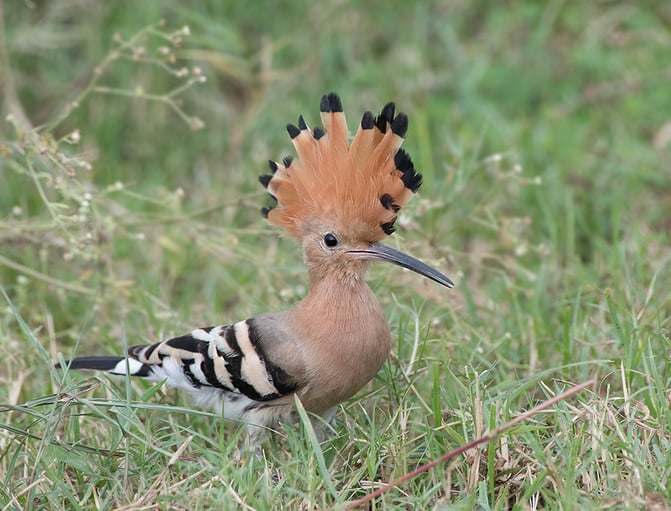
Padre Island National Seashore
Located on the Gulf of Mexico, Padre Island National Seashore is home to over 380 bird species, making it one of Texas's most popular bird-watching destinations. Here you can spot a variety of shorebirds, seabirds, and migratory birds, as well as watch sea turtles nesting on the beach and dolphins swimming in the waters. DFW airport navigation tips
Aransas National Wildlife Refuge
The Aransas National Wildlife Refuge is another popular bird-watching destination, with over 400 species of birds recorded in the area. This protected wetland habitat is home to several rare and endangered bird species, including the whooping crane, which makes it a must-visit location for birdwatchers.
Laguna Atascosa National Wildlife Refuge
It is a premier destination for wildlife viewing, with over 400 species of birds and numerous other animals, including the ocelot and jaguarundi. This vast wilderness area is perfect for those who want to escape the crowds and immerse themselves in nature.
Anahuac National Wildlife Refuge
The Anahuac National Wildlife Refuge is a fantastic place to observe various bird species, including migratory waterfowl, shorebirds, and wading birds. The refuge is also home to a diverse range of wildlife, including alligators, deer, and numerous species of reptiles and amphibians.
Mitchell Lake Audubon Center
Mitchell Lake Audubon Center is a prime bird-watching destination, with over 300 species of birds recorded in the area. This protected wetland habitat is also home to various other wildlife, including deer, raccoons, and numerous reptiles and amphibians.
Texas Shuttle is a transportation service based in Texas providing convenient and affordable transportation options to its customers. They offer services to and from major airports and local and long-distance destinations. Their fleet includes shuttles, vans, and buses to accommodate various travel needs. Texas Shuttle prides itself on its reliable and safe service, with experienced drivers and well-maintained vehicles. The company is committed to providing all its customers with an enjoyable and stress-free travel experience.
With Texas Shuttle, you can easily visit these stunning wildlife and bird-watching destinations, ensuring a comfortable and convenient journey to your chosen location. Whether you're a seasoned birder or enjoy admiring wildlife in its natural habitat, Texas has something to offer everyone.

Frequently Asked Questions
How do I book a Texas Shuttle ride to a wildlife spot like Padre Island National Seashore?
You can book online 24/7 through the Texas Shuttle website or by phone. Just enter your pickup address, destination (e.g., Padre Island), date and time, and the system will schedule a door‑to‑door ride.
Can I travel with a private shuttle to Aransas National Wildlife Refuge, or are rides always shared?
Rides are shared by default, but you can add a private, no‑sharing option at booking for an extra fee. The private add‑on guarantees the vehicle will be yours from door to door.
What type of vehicle will take me to Laguna Atascosa National Wildlife Refuge, and are the drivers experienced?
Texas Shuttle uses clean, late‑model vehicles—sedans, SUVs or vans—sized for your party. All drivers are professional, vetted, and familiar with the route to Laguna Atascosa, ensuring a safe and comfortable trip.
If my flight into DFW is delayed, will my Texas Shuttle driver still meet me for a ride to a bird‑watching site?
Yes. Texas Shuttle monitors flights and adjusts pickup times automatically, so the driver will wait for your delayed arrival and still provide a door‑to‑door ride to your chosen destination.
Why Texas Is One of the Best Birding States in America
If you've ever wondered why birders from around the world flock to the Lone Star State, the answer is simple: diversity. With more than 650 bird species recorded statewide — a figure documented by resources like Texas Birder and Your Bird Buddy — Texas ranks among the most diverse birding regions in the entire United States. Only a handful of states can compete with that variety, and it comes down to geography. Texas sits at the crossroads of the Central and Mississippi flyways, is bordered by the Gulf of Mexico, stretches into the Chihuahuan Desert, and reaches deep into the subtropical Rio Grande Valley. That blend of coastal wetlands, piney woods, hill country, and desert means you can watch shorebirds at dawn and desert specialists by afternoon — all within one road trip.
For travelers flying in, landing at a major hub like DFW, Houston, or Austin puts you within a day's drive of nearly every hotspot on this list, especially when you let Texas Shuttle handle the driving.
More Texas Birding Hotspots Worth Adding to Your Itinerary
The five destinations covered above are classics, but they're only the beginning. Here are additional spots that consistently rank among the best places to bird watch in Texas.
Bolivar Flats Shorebird Sanctuary
Just across the Galveston Ferry on the Bolivar Peninsula, this Houston Audubon sanctuary hosts more than 320 recorded species. The exposed mudflats and salt marsh attract dense crowds of shorebirds and wading birds, especially during spring and fall migration. It's one of the easiest "big list" days you can build anywhere on the upper Texas coast.
High Island
A short drive east along the coast from Bolivar, High Island is legendary among birders for its spring "fallout" phenomenon, when exhausted migrants coming across the Gulf drop into the coastal oak mottes to rest. Visit in late April and you may see 20 to 30 species of warblers in full breeding plumage in a single morning — a spectacle few places in North America can match.
Santa Ana National Wildlife Refuge
This compact 2,088-acre refuge in the Rio Grande Valley, accessible off US-281 south of McAllen, protects some of the last remaining subtropical habitat in the country. It's a reliable place to find Valley specialties you can't see anywhere else in the U.S., and it pairs perfectly with nearby Laguna Atascosa for a South Texas birding loop.
Big Bend National Park
Out in far West Texas along US-385, Big Bend is a birder's dream, with over 450 species recorded in the park at one time or another. The mix of desert, canyon, and Chisos Mountain habitats draws everything from roadrunners to high-elevation specialties, and the dramatic scenery alone justifies the trip.
Brazos Bend State Park
Located roughly 30 miles southwest of Houston, Brazos Bend combines live oaks draped in Spanish moss with lakes and wetlands. It's one of the most accessible nature escapes from the Houston metro area, and it's just as known for its alligators as its birdlife — keep your distance and stay on marked trails.
Balcones Canyonlands National Wildlife Refuge
West of Austin in the Hill Country, this refuge protects habitat for two endangered songbirds, the golden-cheeked warbler and black-capped vireo. Trails wind through juniper-oak woodland, and spring visits offer your best shot at hearing warblers singing across the canyons.
Quick Comparison: Texas Birding Hotspots at a Glance
| Destination | Region | Known For | Approx. Species |
|---|---|---|---|
| Padre Island National Seashore | Gulf Coast (Corpus Christi) | Shorebirds, seabirds, sea turtles | 380+ |
| Aransas National Wildlife Refuge | Texas Coast (near Austwell) | Whooping Cranes | 400+ |
| Laguna Atascosa National Wildlife Refuge | South Texas (97,000 acres) | Rare cats, Valley specialties | 417 |
| Bolivar Flats Shorebird Sanctuary | Upper Coast | Shorebirds on mudflats | 320+ |
| High Island | Upper Coast | April warbler fallouts | Dozens of warbler species |
| Big Bend National Park | West Texas desert | Desert and canyon birds | 450+ |
| Santa Ana National Wildlife Refuge | Rio Grande Valley | Subtropical specialties | Valley rarities |
When Is the Best Season for Bird Watching in Texas?
Honestly? There's no bad time — but each season offers something different. Spring (March through May) is peak migration along the coast, with High Island and Bolivar Flats at their absolute best. Summer is ideal for the Rio Grande Valley and West Texas, when residents are nesting and easy to locate by song. Fall brings another migration wave, and winter turns the coastal refuges into staging grounds for waterfowl and the famous whooping cranes at Aransas, which typically winter there before returning north. Plan around the species you most want to see, and you'll rarely be disappointed.
Essential Bird-Watching Gear for a Texas Trip
You don't need much to get started, but a few items make a real difference:
- Binoculars: A waterproof, fog-proof 8x42 pair is the sweet spot for Texas birding — the 8 is the magnification and the 42 is the lens diameter in millimeters, giving you a bright, steady image in varied light.
- Field guide: A trusted printed guide such as the National Geographic Field Guide to the Birds of North America or the National Audubon Society's guide, backed by a birding app for quick confirmation.
- Sun and insect protection: Hat, sunscreen, and repellent are non-negotiable on the coast and in South Texas brush country.
- Water: Texas heat is serious, especially at Big Bend and Laguna Atascosa, so carry more than you think you need.
Bird-Watching Etiquette and Laws in Texas
Most of the sites above are protected areas, and a few simple rules keep them that way. Federal law under the Migratory Bird Treaty Act protects nearly all native birds — it is illegal to harass, harm, or collect them, their nests, or their eggs. Stay on marked trails, keep a respectful distance (especially from nesting shorebirds on the beach, where roped-off areas exist for a reason), keep pets leashed where allowed, and never use recordings to lure endangered species like the golden-cheeked warbler. Refuges may restrict access seasonally, so check posted rules at each entrance.
Final Thoughts on the Best Wildlife and Bird Watching Spots in Texas
From the whooping cranes of Aransas to the warbler fallouts of High Island and the desert canyons of Big Bend, Texas offers a birding experience that few destinations on Earth can rival. The state's sheer size means a little planning goes a long way — pick a region, cluster your hotspots, and time your visit to the season. And when you'd rather leave the highway driving to someone else, Texas Shuttle provides door-to-door transportation across the state so you can arrive rested and ready with your binoculars in hand.
Frequently Asked Questions
How many bird species can be seen in Texas?
More than 650 species have been recorded in Texas, making it one of the most diverse birding states in the U.S. according to birding resources like Texas Birder and Your Bird Buddy.
What is the best month for bird watching on the Texas coast?
Late April is widely considered the highlight, when migratory warblers and other songbirds arrive at coastal stopovers like High Island, often in breeding plumage. Winter is best for whooping cranes at Aransas.
Where can I see whooping cranes in Texas?
The Aransas National Wildlife Refuge on the Gulf Coast is the famous winter home of the endangered whooping crane. Boat and guided tours operate seasonally from nearby coastal towns, and the refuge itself offers overlooks.
Is Big Bend National Park good for bird watching?
Yes — over 450 bird species have been recorded in the park. The combination of desert lowlands, riparian corridors, and the Chisos Mountains creates habitat for an unusually wide range of species.
Do I need a permit to visit Texas wildlife refuges?
Most national wildlife refuges charge a modest entrance fee or accept federal passes, while some state parks require day-use entry. Fees change, so confirm current requirements with each site before your visit.
Can Texas Shuttle take me to multiple birding spots in one trip?
Yes. Texas Shuttle offers flexible local and long-distance service across Texas, so you can build an itinerary that links coastal refuges, Hill Country sites, or Valley hotspots without renting a car.