
Texas is known for its big cities and sprawling metropolises, but it also has a wealth of small towns worth exploring. These charming towns offer a slower pace of life, friendly locals, and unique attractions that showcase the state's rich history and culture. With Texas Shuttle, you can quickly get off the beaten path and discover the hidden gems of Texas' small towns. day trip from Dallas to McKinney shuttle options from Dallas to Waxahachie Here are a few of the best small towns to explore with Texas Shuttle:
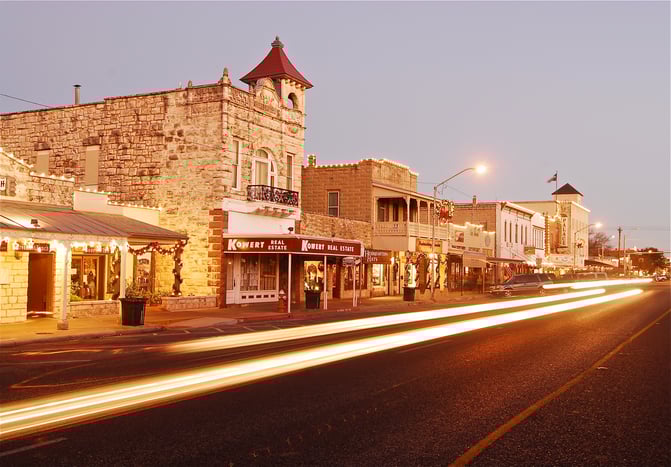
Fredericksburg
In the heart of Texas Hill Country, it is a picturesque town with German roots. Visitors can explore the town's historic Main Street, sample local wines at nearby wineries, and take in the natural beauty of the surrounding hills.
Marfa
This quirky West Texas town is famous for its art scene and unique desert landscape. Visitors can explore the town's many art galleries and installations, hike nearby Big Bend National Park, and stargaze at the famous Marfa Lights.
Gruene
This historic town near San Antonio is known for its country music and dance hall, Gruene Hall. traveling between Austin and San Antonio Visitors can also explore the town's historic district, take a river float on the nearby Guadalupe River, and sample Texas barbecue at the Gristmill Restaurant.
Jefferson
In East Texas, Jefferson is a charming town with a rich history. Visitors can take a riverboat tour on the nearby Big Cypress Bayou, explore the town's many historic homes and buildings, and enjoy local festivals and events throughout the year.
Wimberley
Nestled in the center of Texas Hill Country, Wimberley is a small town with a big personality. Visitors can shop for local art and crafts at the many boutiques and galleries, swim in the nearby Blue Hole, and take in the stunning views from Mount Baldy.
Texas Shuttle is a transportation service company that provides safe, reliable, and affordable travel options across Texas. The company offers a range of transportation services, including airport shuttles, charter buses, and private car services, making it easy for customers to get to their destinations safely and comfortably. With Texas Shuttle's convenient and reliable transportation services, exploring these small towns has always been challenging. With a focus on customer satisfaction, Texas Shuttle is committed to providing exceptional service and ensuring that customers have a stress-free and enjoyable travel experience. Whether you're traveling for business or leisure, Texas Shuttle is a convenient and reliable option for transportation in Texas.
Whether you're traveling solo or with a group, we have a variety of vehicles to suit your needs. Book your ride today and get ready to discover the charm and character of Texas' best small towns.

More of Texas' Best Small Towns Worth the Detour
The five towns above are just the beginning. Texas is enormous — roughly the size of France — and its small towns are scattered across distinct regions, each with its own food traditions, architecture, and pace of life. Below are additional small towns that consistently draw repeat visitors, organized by region so you can plan a route that makes sense instead of zigzagging across the state.
Bandera — The Cowboy Capital of the World
Bandera sits in the Texas Hill Country along the Medina River, about an hour northwest of San Antonio via State Highway 16. The town has embraced its ranching heritage with working dude ranches, honky-tonks like Arkey Blue's Silver Dollar Saloon on Main Street, and rodeos that run through the warmer months. The Medina River offers a calmer alternative to the more crowded tubing rivers nearby, and the rolling terrain around town is popular with motorcyclists traveling the Hill Country's scenic loops.
Granbury — A Square That Stays Busy
Granbury, southwest of Fort Worth off U.S. Highway 377, centers on a well-preserved town square surrounding the historic Hood County Courthouse. The square's storefronts hold restaurants, wine tasting rooms, and the Granbury Opera House, which dates back to the 1880s and hosts live productions. Lake Granbury, formed by the DeCordova Bend Dam on the Brazos River, runs right along the edge of town, giving visitors easy access to waterfront parks and boat rentals. It's one of the few small towns where you can park on the square and walk to nearly everything.
Port Isabel — Gulf Coast History
At the southern tip of Texas, near South Padre Island along State Highway 100, Port Isabel offers a quieter coastal experience than its beach-town neighbor. The town's most recognizable landmark is the Port Isabel Lighthouse, one of the few lighthouses on the Texas coast open to the public. The Port Isabel Historical Museum and the Treasures of the Gulf Museum sit nearby, and the causeway across the Laguna Madre connects directly to the beaches of South Padre Island. Seafood restaurants and shrimp boats line the harbor area.
Canyon — Gateway to Palo Duro
Canyon, south of Amarillo on U.S. Highway 87, is home to Palo Duro Canyon State Park, often called the Grand Canyon of Texas. The canyon stretches roughly 120 miles long and reaches depths of about 800 feet, with hiking and horseback trails dropping to the canyon floor. In town, the Panhandle-Plains Historical Museum on the West Texas A&M University campus is the largest history museum in the state. During summer months, the outdoor musical drama TEXAS has been performed in the canyon itself for decades.
Alpine — Big Bend's Home Base
While Marfa gets the art-world attention, nearby Alpine serves as the practical base for exploring the Big Bend region. Located on U.S. Highway 90, Alpine is home to Sul Ross State University, which gives the town a youthful energy unusual for West Texas. The historic Holland Hotel downtown and the Murphy Street Raspa stand are local fixtures, and the town makes a convenient launching point for both Big Bend National Park and Big Bend Ranch State Park to the south.
Which Texas Small Town Is Right for You?
Every traveler wants something different out of a small-town trip. Use this quick comparison to match your priorities with the right destination.
| Town | Region | Best For | Don't Miss | Nearest Major City |
|---|---|---|---|---|
| Fredericksburg | Hill Country | Wine, German heritage, shopping | Historic Main Street and nearby wineries | Austin / San Antonio |
| Marfa | West Texas | Contemporary art, desert scenery, stargazing | Galleries and the Marfa Lights viewing area | El Paso |
| Gruene | Hill Country | Live music, river floats | Gruene Hall and the Guadalupe River | San Antonio / Austin |
| Jefferson | East Texas | History, bayou scenery, festivals | Big Cypress Bayou riverboat tours | Shreveport / Dallas |
| Wimberley | Hill Country | Art galleries, swimming holes | Blue Hole Regional Park | Austin / San Antonio |
| Bandera | Hill Country | Rodeo culture, dude ranches | Medina River and Main Street honky-tonks | San Antonio |
| Granbury | North Texas | Walkable square, lake activities | Town square and the Granbury Opera House | Fort Worth / Dallas |
| Port Isabel | Gulf Coast | Museums, coastal views, seafood | Port Isabel Lighthouse | Brownsville / Harlingen |
| Canyon | Panhandle | Hiking, dramatic scenery | Palo Duro Canyon State Park | Amarillo |
| Alpine | West Texas | Big Bend access, college-town vibe | Downtown Alpine and Holland Hotel | El Paso |
How to Build a Small-Town Texas Road Trip
Distances in Texas are deceptive — what looks like a short hop on a map can be a three-hour drive. A few planning principles will save you time and frustration:
Group Towns by Region
The Hill Country towns — Fredericksburg, Wimberley, Gruene, and Bandera — cluster close enough together that you can visit several in a single long weekend, using Austin or San Antonio as your entry point. West Texas is the opposite: Marfa, Alpine, and the Big Bend parks are hours from any major airport, so budget at least three or four days for that region alone.
Watch the Seasons
Summer heat in West Texas and the Panhandle is serious, with triple-digit afternoons common. Spring and fall are the most comfortable windows for almost every region on this list. Hill Country wildflowers, including bluebonnets, typically peak in spring along highways like U.S. 290 and SH 16. If you're headed to a town for a specific festival — Jefferson and Granbury both host events throughout the year — check the town's official event calendar before booking, since dates shift annually.
Book Ahead in Small Towns
Lodging in towns like Wimberley, Fredericksburg, and Marfa is limited compared to their popularity. Bed-and-breakfasts, cabins, and boutique hotels can fill up weeks in advance during peak weekends, especially around holidays and wine harvest events. Reserving early is the single biggest quality-of-life improvement you can make for a small-town trip.
Frequently Asked Questions About Texas' Best Small Towns
What is the prettiest small town in Texas?
Beauty is subjective, but Fredericksburg is the most frequently cited answer thanks to its limestone storefronts, tree-lined Main Street, and the surrounding Hill Country landscape. Wimberley, with its rivers, swimming holes, and hilltop views, is a close second for visitors who prefer natural scenery over historic architecture.
What small towns in Texas are worth visiting for a day trip?
Gruene, Wimberley, Granbury, and Bandera all work well as day trips. Gruene and Wimberley are under an hour from either Austin or San Antonio. Granbury is about an hour's drive from Fort Worth on U.S. 377. If you're starting in Houston, towns in East Texas such as Jefferson make for a fuller but rewarding day-trip itinerary.
Which Texas small town is best for families?
Wimberley is a strong pick for families because of Blue Hole Regional Park, a spring-fed swimming area surrounded by old-growth cypress trees. Canyon is another excellent choice — Palo Duro Canyon State Park offers hiking trails and ranger programs suited to kids, and the town itself is compact and easy to navigate.
What is the best time of year to visit Texas small towns?
Spring (March through May) and fall (October through November) offer the most comfortable temperatures across most of the state. Spring adds wildflower blooms in the Hill Country, while fall brings milder weather to West Texas and the start of the rodeo season in places like Bandera. Summer is workable for coastal towns like Port Isabel but can be punishing inland.
How do I get to these small towns without a car for the whole trip?
Most visitors fly into a major hub — Austin, San Antonio, Dallas–Fort Worth, Houston, or El Paso — and then continue by road. A shuttle or private car service can cover the airport-to-city leg or a longer intercity transfer, letting you rent a vehicle only for the stretch where you truly need one. This is especially practical for the Hill Country towns, which sit within easy reach of two major airports.
Are Texas small towns safe for tourists?
Tourist-oriented small towns in Texas generally have low crime rates and active local policing, and visitors routinely describe feeling comfortable walking their main squares and downtown districts in the evening. As with any destination, take standard precautions: lock your car, keep valuables out of sight, and stay aware of your surroundings, especially late at night in bar districts like Gruene's or Bandera's Main Street.
Can you visit Marfa and Big Bend in the same trip?
Yes, and most travelers do. Marfa, Alpine, and the Big Bend region are linked by U.S. 90 and SH 118, and many visitors use Alpine or Marfa as a base for day trips into the parks. Because the distances between attractions are long and services are sparse inside the parks themselves, plan for full tanks of gas and plenty of water, and confirm park conditions on the National Park Service website before you go.
Texas Shuttle can handle the driving between airports and destinations across the state, so your small-town itinerary starts the moment you land. Wherever your Texas road trip takes you, getting there comfortably is the easy part.