
San Antonio's rich cultural heritage is reflected in its many historic sites, museums, and cultural institutions. From Spanish colonial architecture to contemporary art galleries, the city is a hub of artistic activity that draws visitors worldwide. contemporary art galleries Exploring San Antonio's cultural scene with Texas Shuttle is easy and convenient. Here's a guide to a few of the best places to visit:
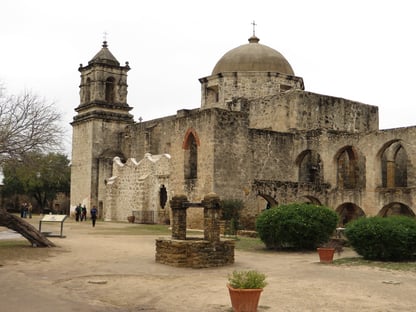
The Alamo
Every visit to San Antonio is complete with a stop at The Alamo, one of the city's most iconic landmarks. This historic mission, where a small band of Texans held out against the Mexican army in 1836, is now a museum that tells the story of the battle and the people who fought there. Texas Shuttle services The Alamo is easily accessible by Texas Shuttle, with several stops in the downtown area.
San Antonio Missions National Historical Park
A visit to the San Antonio Missions National Historical Park is necessary to dive deeper into the city's colonial history. This park, which includes four missions built in the 18th century, is a UNESCO World Heritage site that offers a glimpse into the lives of those who lived and worked there. UNESCO World Heritage site The park is located just south of downtown and is easily accessible by Texas Shuttle.
The San Antonio Museum of Art
For art lovers, the San Antonio Museum of Art is a must-see. This museum features a collection of more than 30,000 objects from around the world, including Greek and Roman antiquities, Asian art, and contemporary pieces. The museum is located in the historic Lone Star Brewery complex and is easily accessible by Texas Shuttle. Planning this trip? Door-to-door service is available on our San Antonio Shuttle service page.
The Briscoe Western Art Museum
The Briscoe Western Art Museum is a unique institution that celebrates the art, history, and culture of the American West. The museum's collection includes paintings, sculptures, and artifacts that showcase the beauty and diversity of the region. The museum is located on the banks of the San Antonio River and is easily accessible by Texas Shuttle.
The Witte Museum
The Witte Museum is another must-visit for history buffs. This museum showcases Texas's natural and cultural history through exhibits that include dinosaur fossils, historical artifacts, and interactive displays. The museum is in Brackenridge Park, a beautiful green space near downtown accessible by Texas Shuttle.
San Antonio has a rich cultural heritage and a vibrant cultural scene. From historic sites to art museums, there's something for everyone to explore and discover. With Texas Shuttle, getting around the city is easy and convenient, so you can spend less time worrying about transportation and more time immersing yourself in all that San Antonio has to offer.

Frequently Asked Questions
What is the most famous landmark in San Antonio?
The Alamo, where Texan forces famously held out against Mexican troops in 1836, is one of San Antonio's most iconic landmarks.
Does the San Antonio Missions National Historical Park have any special events?
San Antonio Missions National Historical Park offers various educational programs and events throughout the year, reflecting its rich colonial history.
What kind of art can I see at the San Antonio Museum of Art?
The museum features a diverse collection including Greek and Roman antiquities, Asian art, and contemporary pieces.
Is there a museum dedicated to Western art in San Antonio?
Yes, the Briscoe Western Art Museum celebrates the art, history, and culture of the American West with its extensive collection.
Beyond the Museums: Historic Districts That Tell San Antonio's Story
San Antonio's cultural heritage isn't confined to museum walls — it lives in entire neighborhoods that have preserved their historic character for generations. These districts are walkable, photogenic, and packed with the architecture and traditions that make the city unique.
King William Historic District
Just south of downtown, across the San Antonio River, the King William Historic District was settled in the mid-1800s by prosperous German merchants, and the neighborhood's restored mansions reflect that heritage. Many of the Victorian and Greek Revival homes are open to the public during the district's popular home tours, and the area is now known for galleries, cafes, and tree-lined streets perfect for a slow afternoon stroll. It's a short drive from downtown via South Alamo Street, and visitors arriving through Texas Shuttle can easily connect to the neighborhood from central drop-off points.
La Villita Historic Arts Village
Situated on the south bank of the San Antonio River Walk, La Villita is one of the oldest neighborhoods in San Antonio. What began as a settlement for San Antonio's early residents — including Spanish soldiers and their families — is now a designated historic arts village filled with small shops, artist studios, and galleries housed in restored 19th-century buildings. It's also a popular venue for festivals and cultural events throughout the year.
The Pearl District
North of downtown along the San Antonio River, the Pearl is a striking example of heritage reborn. The former Pearl Brewing Company campus has been transformed into a culinary and cultural destination featuring restaurants, shops, and a farmers market that draws large crowds on weekends. The site's historic brewery buildings remain the centerpiece, blending San Antonio's industrial past with its modern food scene. The Pearl sits just off Highway 281 near Brackenridge Park, making it an easy stop when paired with a visit to the Witte Museum.
Market Square (El Mercado)
Market Square, located just west of downtown near the intersection of Interstate 35 and Santa Rosa Street, is one of the largest Mexican marketplaces in the United States. The three-block outdoor plaza is home to dozens of shops selling handcrafted pottery, textiles, and folk art, along with restaurants serving authentic Tex-Mex cuisine. Live entertainment and seasonal celebrations make El Mercado a living expression of San Antonio's Mexican-American heritage — a culture that has shaped the city since its founding.
Spanish Colonial Landmarks You Shouldn't Miss
The Alamo gets the headlines, but San Antonio's Spanish colonial legacy extends well beyond a single mission. Two downtown sites are essential for anyone serious about understanding the city's roots.
San Fernando Cathedral
Founded in 1731 by settlers from the Canary Islands, San Fernando Cathedral in the heart of downtown is one of the oldest cathedrals in the United States. It remains an active parish today, and its role in the city's history — including the Battle of the Alamo era — makes it a meaningful stop. In the evenings, the cathedral's facade becomes the canvas for a large-scale light show that traces the history of San Antonio in sound and imagery.
The Spanish Governor's Palace
Tucked into the historic district near Military Plaza, the Spanish Governor's Palace is a National Historic Landmark built in the early 18th century. It served as the seat of Spanish Texas's colonial government and stands today as one of the finest surviving examples of Spanish colonial architecture in the state. Its cool, thick-walled interior rooms, courtyard, and period furnishings transport visitors back to the era when San Antonio was the capital of Spanish Texas.
How San Antonio's Cultural Institutions Compare
With so many options, planning your time matters. Here's a quick side-by-side look at the city's headline heritage attractions to help you build an itinerary:
| Attraction | What You'll Experience | Best For | Location |
|---|---|---|---|
| The Alamo | 1836 battle history, mission-era exhibits | First-time visitors | Downtown, Alamo Plaza |
| San Antonio Missions NHP | Four 18th-century missions, UNESCO World Heritage site | History depth, cycling and hiking | South of downtown along Mission Reach |
| San Antonio Museum of Art | 30,000+ objects spanning ancient to contemporary | Art lovers, air-conditioned afternoons | River North, former Lone Star Brewery |
| Briscoe Western Art Museum | Paintings, sculptures, and artifacts of the American West | Western heritage fans | Downtown, San Antonio River banks |
| Witte Museum | Texas natural history, dinosaur fossils, interactive exhibits | Families with kids | Brackenridge Park, near Highway 281 |
| Market Square | Mexican marketplaces, folk art, Tex-Mex dining | Shopping and food | West of downtown near I-35 |
| King William District | Restored 19th-century mansions, galleries | Architecture and walking tours | South of downtown along the river |
Food as Cultural Heritage: Eating Your Way Through San Antonio
In San Antonio, cuisine is history you can taste. The city's Tex-Mex tradition — born from the blending of Mexican and Texan cultures along this historic corridor — is famously credited as the birthplace of Tex-Mex as many Americans know it, and classics like puffy tacos are closely associated with the city. Along the River Walk and in neighborhoods like Market Square and Southtown, you'll find everything from multi-generational family restaurants to modern chef-driven kitchens reinterpreting traditional recipes. The Culinary Institute of America's presence at the Pearl has further cemented San Antonio's reputation as a serious food city, and its designation as a UNESCO Creative City of Gastronomy — the only one in the United States at the time of its designation — reflects how deeply food is woven into the city's cultural identity.
Festivals That Bring the Heritage to Life
Time your visit right and you'll see San Antonio's heritage celebrated on a grand scale.
Fiesta San Antonio
Held each spring, Fiesta San Antonio is the city's signature celebration — a multi-day festival with parades, including the famous river parade along the San Antonio River Walk, live music, and community events across the city. It began as a way to honor the heroes of the Alamo and the Battle of San Jacinto and has grown into one of the largest festivals of its kind in the country.
Dia de los Muertos and Holiday Traditions
San Antonio's Mexican-American heritage shines during Day of the Dead observances each fall, with altars, marigolds, and celebrations at sites like La Villita and Market Square. In December, the city's festive lighting along the River Walk and the long-running holiday traditions downtown draw visitors from across Texas and beyond.
Getting Around San Antonio's Heritage Sites
San Antonio's major cultural attractions are spread across downtown, the missions corridor to the south, and the museum district to the north near Brackenridge Park. Downtown sites like the Alamo, San Fernando Cathedral, and the River Walk are clustered within easy walking distance of one another, while the missions, the Pearl, and Market Square each require a short drive via routes like Interstate 35, Highway 281, and Mission Road. Rather than navigating downtown traffic and limited parking on your own, visitors flying into San Antonio International Airport — just off Highway 281 north of downtown — can use Texas Shuttle's door-to-door service to reach hotels near the River Walk and beyond, then spend their time exploring instead of driving. Group travelers planning a missions-to-museum itinerary often find that a single shuttle arrangement simplifies the whole trip.
Frequently Asked Questions
What makes San Antonio a UNESCO Creative City of Gastronomy?
San Antonio was designated a UNESCO Creative City of Gastronomy in recognition of its distinctive culinary heritage, which blends Mexican, Spanish, German, and American influences. It was the second U.S. city to receive the designation, underscoring how central food is to the city's cultural identity.
How many missions are in the San Antonio Missions National Historical Park?
The park preserves four 18th-century missions — Concepción, San José, San Juan, and Espada — while the fifth mission, the Alamo, is managed separately in downtown San Antonio. Together they form part of the city's UNESCO World Heritage designation.
Is the San Antonio River Walk free to visit?
Yes, strolling the River Walk is free and open to the public. Costs apply only for optional extras such as boat rides, museum admissions, and dining, so budget according to the activities you choose.
What is the King William Historic District known for?
The King William District is known for its beautifully restored 19th-century mansions built by German merchants, its tree-lined streets, and its galleries and cafes. It's one of the best neighborhoods in Texas for historic architecture walks.
When is the best time to experience San Antonio's cultural festivals?
Spring is the standout season, when Fiesta San Antonio fills the city with parades and events. Fall brings Day of the Dead celebrations, and December features holiday lights and traditions along the River Walk.
Can I visit the missions without a car?
Yes. The missions are connected by the Mission Reach section of the San Antonio River Walk, which is popular with cyclists and hikers, and public transit and shuttle options serve the corridor from downtown. Planning your route in advance makes a car-free visit very manageable.
How far is the Pearl District from downtown San Antonio?
The Pearl is located just north of downtown along the San Antonio River, near Highway 281 — roughly a 10-minute drive from the center of downtown, and also reachable on foot or by bike via the River Walk's northern extension.