
Texas is a state that is often associated with big cities like Houston, Dallas, and Austin. However, there is much more to this vast and diverse state than just urban centers. Many hidden gems are waiting to be discovered in the small towns and rural areas that lie beyond the city limits. And the best way to explore these places is with the Texas shuttle.
In this blog post, we will take you on a journey beyond the big cities and into the heart of rural Texas, exploring some of the state's most charming towns and picturesque landscapes easily accessible by shuttle.
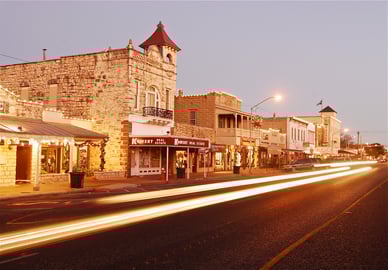
Explore Fredericksburg, the "Peach Capital of Texas"
In the center of the Texas Hill Country, Fredericksburg is a charming small town famous for its German heritage and juicy peaches. Take a shuttle to this quaint town to experience its unique blend of Texas and German culture. Texas Hill Country exploration Visit the National Museum, dedicated to the men and women who fought in the Pacific during World War II. Or, stroll along Main Street and explore the town's many boutiques, art galleries, and antique stores. Be sure to taste some of Fredericksburg's famous peaches and visit one of the many wineries in the area.
Discover the Artistic Oasis of Marfa
Marfa is a small town in the middle of the West Texas desert that has become a hub for contemporary art and culture. Take a shuttle to this artistic oasis and explore the town's galleries, installations, and museums. West Texas shuttle service West Texas desert travel Take advantage of the Chinati Foundation, a museum founded by artist Donald Judd that features large-scale installations by some of the most important contemporary artists of the last century. Be sure to check out the Marfa Lights, a phenomenon that has puzzled visitors for decades.
Wimberley, a hidden gem
Wimberley is a small town in the Texas Hill Country famous for its natural beauty and relaxed pace of life. Take a shuttle to this hidden gem and spend a day exploring its many parks, trails, and swimming holes. Natural beauty in Wimberley Visit the Blue Hole Regional Park, known for its crystal-clear water and shaded picnic areas. Or, take a stroll through the Wimberley Market Days, one of the largest outdoor markets in the state.
In conclusion, Texas has much more to offer than just big cities. By taking the Texas shuttle and exploring the state's small towns and rural areas, you can discover a side of Texas that you never knew existed. Whether interested in history, art, nature, or just getting away from it all, rural Texas has something for everyone.

Frequently Asked Questions
What are some must-visit wineries near Fredericksburg?
Fredericksburg is home to many wineries, including Enchanted Rock Vineyards and Grape Creek Winery.
Can I see the Marfa Lights on a clear night in Marfa?
Yes, you can try to catch the Marfa Lights, a mysterious phenomenon that occurs near Marfa.
What are some outdoor activities available in Wimberley?
Wimberley offers various outdoor activities like hiking at Blue Hole Regional Park and visiting swimming holes.
Is there a specific museum dedicated to World War II in Fredericksburg?
Yes, the National Museum in Fredericksburg is dedicated to men and women who fought in the Pacific during World War II.
What Is Rural Texas, Exactly?
Rural Texas is generally defined as anything outside the state's major metropolitan areas — the small towns, ranch land, timber country, and open spaces that make up most of the state's geography. While the Dallas–Fort Worth, Houston, San Antonio, and Austin metroplexes hold most of the population, the vast majority of Texas' 254 counties are rural by character. These places run on agriculture, timber, hunting leases, and small-town main streets, and they offer a pace of life the big cities simply can't match. Whether you're planning a weekend escape or researching a move to the country, understanding what each region offers is the first step. If you'd rather leave the driving to someone else, a Texas shuttle can get you from the major airports straight into small-town Texas.
What Makes These Texas Towns Work for Land Buyers?
The best rural Texas towns share a few practical traits: they sit within reasonable driving distance of a hospital and major shopping, they offer parcel sizes that fit real-world uses like part-time ranching or weekend recreation, and they retain the small-town character that draws buyers out of the suburbs in the first place. Proximity matters more than remoteness for most buyers — a town that is 20 to 40 minutes from a city with a university and hospital gives you country living without giving up healthcare, groceries, or commute options. Below is a quick comparison of the regions covered in this guide.
| Region | Typical Parcel Size | Nearest City Anchor | Best Known For |
|---|---|---|---|
| East Texas Timber & Lake Country | 5 to 50 acres | Tyler (about 40 miles northeast), Longview (15 minutes for hospital and shopping) | Lake Fork bass fishing, timber land, railroad history |
| North Texas Cross Timbers | 10 to 100 acres; up to 50–200 acres | Gainesville (10 miles west), Stephenville (20 miles away) | Hunting leases, horse and cattle operations, historic downtowns |
| Rolling Plains | 50 acres and up | Abilene (35 miles southwest, about 20 minutes) | Frontier history, working ranches, wide-open skies |
| Central Texas Gateway | 5 to 20 acres; up to 10–100 acres | Hill Country towns and metro edges | German heritage farms, creek bottoms, weekend ranches |
East Texas Timber and Lake Country
East Texas is where the Pineywoods begin — rolling terrain thick with timber, dotted with some of the best fishing lakes in the state. For anyone researching rural Texas land, this region offers some of the most accessible entry points.
Mineola: A Railroad Town with Lake Fork Access
Mineola, in Wood County, sits approximately 85 miles east of Dallas and grew up as a railroad town in the 1870s, when two rail lines raced to be the first to reach it. Lake Fork — widely considered one of the best bass fishing lakes in Texas — sits about 20 miles north, which makes the surrounding countryside popular with anglers looking for weekend places. Properties in this area typically range from 5 to 50 acres, sizes that suit buyers who want a country place but still need to commute or visit regularly.
The Tyler and Longview Corridor
Further into East Texas, Tyler sits about 40 miles northeast of the surrounding rural communities, providing a full range of services for area residents. In the tracts closer to Longview, buyers enjoy access to a hospital and shopping within 15 minutes — a rare convenience for genuinely rural property. Properties in this corridor range from 5-acre homesites up to 500-acre timber tracts, and the land itself is typically a mix of pasture and timber in parcels of 10 to 50 acres. Town services in the smaller communities stay basic but functional, with Tyler about 40 minutes away for major needs.
North Texas Cross Timbers Ranch Country
North of the Metroplex, the Cross Timbers region mixes oak-covered ridges with open pasture — classic ranch country within easy reach of Fort Worth. This stretch of rural Texas appeals to buyers who want working land without a long haul to the city.
Gainesville and Montague County
On the Oklahoma border, communities in this area benefit from practical geography: Gainesville sits 10 miles west with a hospital and regular shopping, while Montague, the county seat, is about 25 miles north and offers basic services. Because land prices stay lower than in areas closer to the Metroplex, it's possible to buy 50 to 200 acres at sizes that work for genuine working ranches. Further south, around Stephenville, properties typically run 10 to 100 acres — ideal for part-time ranchers or anyone seeking enough ground for hunting and raising a few cattle — and Stephenville itself sits about 20 miles from a university and a hospital, adding college-town energy to country living.
Hico: Small Town, Big Legend
Hico claims a connection to Billy the Kid, with a museum dedicated to a man who lived there in the 1940s and claimed to be the famous outlaw. The town remains small — around 1,500 residents — with a historic downtown that attracts weekend visitors. Surrounding properties typically run 20 to 100 acres, mixing pasture with some wooded creek bottoms, and land commonly sells in parcels of 20 to 100 acres that work well for hunting leases or small cattle operations.
The Rolling Plains
West of the Cross Timbers, the landscape opens into the Rolling Plains — drier country where acreage requirements change and the horizon stretches for miles.
Albany and the Fort Griffin Frontier
Around Albany, Fort Griffin State Historic Site is nearby, and the town hosts the Fort Griffin Fandangle every June — an outdoor musical about the area's frontier past that has run since 1938. The town itself has kept its historic downtown and stays small, with around 1,900 people. Abilene sits 35 miles southwest, close enough for hospital access and major shopping, and the proximity of Abilene — just 20 minutes away — meets healthcare and shopping needs while preserving authentic rural living. Because this is drier country, you need more land per cow: properties typically run 50 acres and up, and land here often runs 50 to 200 acres to support each animal unit.
Breckenridge and Stephens County
Breckenridge, the seat of Stephens County, recorded a population of 5,190 in 2024 data. Most parcels in the area range from 20 to 100 acres near town, with larger ranches scattered throughout the county and surrounding areas — sizes that make sense for running a cattle or horse operation.
Central Texas Gateway to the Hill Country
Between the Metroplex and the Hill Country, Central Texas offers some of the most heritage-rich rural land in the state. Several communities here were established in the 1880s when German Catholic settlers arrived and built farms that their descendants continue to work today. Properties in this gateway region range from 10 to 100 acres, making them ideal for part-time ranchers or buyers who want enough land for hunting and a few head of cattle. Closer to the growing metro edges, properties tend to be smaller — 5 to 20 acres — but land values remain reasonable compared to the suburbs, and buyers who need acreage for weekend getaways can find it in parcels of 20 to 100 acres mixing pasture with wooded creek bottoms. For more Hill Country inspiration, see our guides to natural beauty near Austin and Texas Hill Country exploration.
State Support for Rural Texas
Rural Texas isn't being left behind at the state level. The 88th Legislature approved a variety of funding initiatives that benefit rural communities, with the Texas Comptroller of Public Accounts responsible for administering key programs affecting rural areas. Under House Bill (HB) 1, the General Appropriations Act, $330.8 million was designated to support grants to qualified sheriffs, constables, and prosecutors as provided by Senate Bill (SB) 22. In addition, $1.5 billion was allocated to the Broadband Development Office (BDO), subject to voter approval of House Joint Resolution — a potential game-changer for rural connectivity. You can read the details directly from the Texas Comptroller. Expanded broadband and public safety funding make rural living more practical than ever, whether you're relocating full-time or keeping a weekend place.

Getting to Rural Texas Without the Hassle
Many of these destinations sit hours from the nearest major airport, which is exactly where shuttle service earns its keep. A Texas shuttle can carry you from DFW, Houston, or other hubs directly into small-town Texas, so you can spend your time exploring main streets and lake roads instead of navigating interstate traffic. It's also a smart option for land buyers making scouting trips — you can cover more ground and evaluate more properties in a single weekend. Pair your trip with our West Texas desert travel guide if your route extends toward Marfa and the Trans-Pecos.
Sources
- HR Ranch — East and North Texas land guides (hrcranch.com)
- Texas Comptroller of Public Accounts — rural funding and broadband programs (comptroller.texas.gov)
- Lone Star Travel Guide — Texas small-town and regional travel coverage (lonestartravelguide.com)
Frequently Asked Questions
What is rural Texas?
Rural Texas refers to the areas of the state outside its major metropolitan centers — small towns, ranch land, timber country, and farming communities. Most of Texas' 254 counties are rural in character, even though the largest metroplexes hold most of the population.
What makes a Texas town good for land buyers?
The strongest rural towns sit within 20 to 40 minutes of a hospital and major shopping, offer parcel sizes suited to real uses like hunting leases or part-time ranching, and keep the historic small-town character buyers are seeking.
How far is Mineola from Dallas and Lake Fork?
Mineola is approximately 85 miles east of Dallas, and Lake Fork — one of the best bass fishing lakes in Texas — sits about 20 miles north of the area.
What is there to do in Albany, Texas?
Albany hosts the Fort Griffin Fandangle every June, an outdoor musical about the area's frontier past that has run since 1938, and Fort Griffin State Historic Site is nearby.
How large are typical land parcels in the Rolling Plains?
Because the drier climate requires more acreage per animal unit, properties in the Rolling Plains typically run 50 acres and up, often ranging from 50 to 200 acres.
Is the state of Texas investing in rural areas?
Yes. The 88th Legislature approved funding initiatives administered by the Texas Comptroller, including $330.8 million in grants for qualified sheriffs, constables, and prosecutors under SB 22, and $1.5 billion for the Broadband Development Office, subject to voter approval of the related House Joint Resolution.
Can I visit these rural Texas towns by shuttle?
Yes. Shuttle service connects major Texas airports with destinations across the state, making it easy to explore rural towns like Mineola, Stephenville, and Albany without driving.