
Texas is full of history, and one of the most intriguing aspects of the state's past is its ghost towns. These once-thriving communities now lie abandoned, offering a glimpse into Texas' pioneering days. This blog will highlight some of the state's most fascinating ghost towns and offer insights into their history and current condition. If you're a history buff or enjoy exploring off-the-beaten-path destinations, Texas' ghost towns are worth visiting. Austin to San Antonio travel guide
Terlingua:
Terlingua was a significant producer of cinnabar, the primary ore of mercury, during the early 1900s. Visitors can explore the remains of the mining operations, including several old mine buildings and the ruins of the Chisos Mining Company. The Terlingua cemetery is also famous, featuring unique grave markers and memorials.
Calvert:
Calvert was established in the mid-1800s and quickly became a central railroad town due to its location on the Houston and Texas Central Railway. College Station to Austin guide Today, visitors can explore the historic downtown area and its well-preserved Victorian-era buildings, including the Calvert Hotel and the Robertson County Courthouse.
Shafter:
Shafter was established in the 1880s and became a significant producer of silver during the late 1800s and early 1900s. Visitors can explore the town's cemetery, which is the final resting location of many of the town's former residents, including some of the miners who worked in the area. The ruins of several of the town's former buildings, including the old schoolhouse, can also be seen.
St. Elmo
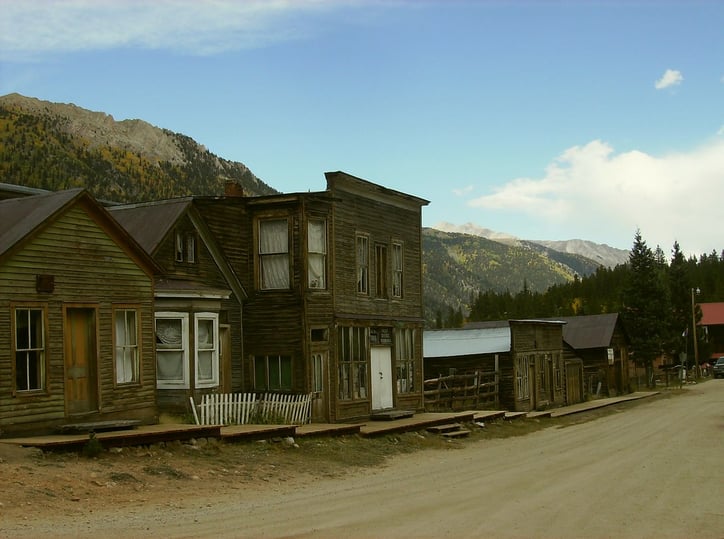
Located in Chaffee County, St. Elmo is one of the best-preserved ghost towns in Texas. Visitors can explore the town's well-preserved buildings, including several historic homes and the old general store.
Thurber
Located in Erath County, Thurber was once a thriving coal mining town. Today, visitors can explore the town's historic downtown area and its former buildings, including the power plant and the company store. how far is Waxahachie from Dallas
Texas' ghost towns are a fascinating and sometimes eerie reminder of the state's past. While some of these towns have been well-preserved, others lie in ruins, slowly being reclaimed by nature. If you're interested in exploring Texas' ghost towns, be sure to do your research and come prepared with plenty of water and sunscreen, as many of these towns are located in remote areas with limited facilities.
Texas Shuttle is a transportation company that provides safe, reliable, and comfortable shuttle services throughout Texas. The company is committed to providing excellent customer service, and its experienced drivers ensure that passengers arrive at their stops safely and on time. With various vehicle options, including buses and vans, Texas Shuttle can accommodate individuals, families, and groups of any size. Whether you're traveling for business or pleasure, Texas Shuttle offers convenient transportation solutions at affordable prices.

More Texas Ghost Towns Worth Adding to Your Route
Beyond the five towns covered above, Texas has dozens of abandoned settlements scattered from the Rio Grande to the Panhandle. This guide rounds out the list of 10 of the best ghost towns in Texas to visit, selected for their history, atmosphere, and accessibility. Here are the remaining stops—and a few honorable mentions—that belong on any serious ghost town itinerary.
Indianola – The Port That Hurricanes Erased
Sitting quietly along Matagorda Bay, Indianola was once a thriving port town with ambitions of becoming a major Gulf trade hub. Two devastating hurricanes—in 1875 and 1886—wiped out most of its infrastructure and ended those ambitions for good. Today the site is quiet coastal scrubland, but history is still within reach: visit the Indianola Cemetery, where marble headstones from the 1800s still stand as some of the only physical evidence of the city that once was.
Getting there: Indianola is located in Calhoun County, about 2 hours and 45 minutes from San Antonio and 2 hours from Houston.
Glenrio – A Ghost Town on Route 66
Straddling the Texas–New Mexico border, Glenrio is one of the best-preserved ghost towns along the historic Route 66 corridor. Once a lively stop for travelers heading west, it began its slow fade after the opening of Interstate 40 rerouted traffic and business away from the old highway. Look for the 1950s-style gas station and the old café with original signage still intact—it's a real-life time capsule.
Getting there: Glenrio sits just off I-40, about 1.5 hours west of Amarillo. It's easy to reach but still feels incredibly isolated—especially if you drive the old Route 66 alignment instead of the freeway. Pro tip: pair your visit with a stop at the Route 66 Museum in Shamrock to make a full day of Mother Road history.
Toyah – A Slowly Crumbling Rail Town
Just west of Pecos along Interstate 20, Toyah is a hauntingly quiet place that feels more like a memory than a town. Once a modest railroad stop and ranching hub, it began fading in the mid-20th century as train traffic dwindled and younger generations moved on. The standing structures along the old town grid tell the story better than any plaque could.
Getting there: Toyah is about 1 hour west of Odessa, just off I-20.
Lobo – An Outdoor Museum West of the Pecos
Tucked along Route 90 between Van Horn and Marfa, this forgotten West Texas ghost town once supported a post office, gas station, grocery store, and motel. A group of artists purchased it in the early 2000s and occasionally host experimental events and art installations on site, making it something like an outdoor museum meets vanishing Texas relic.
Getting there: Lobo is roughly 3.5 hours southeast of El Paso, or about 2 hours from Marfa. The town sits just south of Interstate 10, so it's technically accessible—but there's no gas or lodging within 30 miles.
Best time to visit: Come between October and March, when daytime temperatures hover between 55°F and 75°F. Summers here are brutal, regularly topping 105°F, and the dry heat can quickly drain your energy.
Barstow – Irrigation Dreams on the Pecos River
In the 1890s, Barstow thrived thanks to early irrigation projects drawing from the Pecos River. By the 1930s, it was well on its way to ghost town status. Today its ruins sit just 10 miles west of Pecos—an easy detour for travelers crossing West Texas.
Pro tip: While you're in the area, consider detouring to Balmorhea State Park, about 45 minutes away, for a swim in the spring-fed pool—especially if your ghost town hunt leaves you dusty and sunbaked.
Clairemont – A Forgotten County Seat
Founded in the 1890s, Clairemont briefly flourished as the county seat of Kent County, complete with a grand courthouse, a jail, and a busy ranching trade. When the seat moved and the railroad passed it by, the town emptied out. Its remaining buildings stand as quiet proof of how quickly fortune could shift on the Texas frontier.
Honorable Mentions: Bluffton, Sherwood, Independence, Port Sullivan, and Mentone
- Old Bluffton – The Town Beneath the Lake: When a Central Texas reservoir filled, Old Bluffton disappeared beneath the water. During droughts, remnants of the drowned town reemerge—a rare chance to walk where streets once ran.
- Sherwood – A Forgotten County Seat with Western Charm: This former county seat in West Texas retains the kind of weathered stone and wood architecture that photographers love.
- Independence and Port Sullivan: These smaller Central Texas sites reward slow, self-guided exploration and are easy to combine with nearby highway routes.
- Mentone: The remote county seat of Loving County in far West Texas oil country—about as far off the beaten path as Texas gets.
Quick Comparison: Which Texas Ghost Town Should You Visit?
| Ghost Town | Region | Getting There | Best Known For |
|---|---|---|---|
| Terlingua | Far West Texas | ~7.5 hrs from San Antonio; Midland International Airport is the nearest major hub (3.5 hrs away) | Chisos Mining Company ruins, famous cemetery |
| Indianola | Gulf Coast (Calhoun County) | ~2 hrs from Houston; ~2 hrs 45 min from San Antonio | Hurricane-erased port; 1800s marble headstones |
| Glenrio | Panhandle / Route 66 | ~1.5 hrs west of Amarillo, just off I-40 | 1950s gas station and café with original signage |
| Lobo | Big Bend country | ~3.5 hrs SE of El Paso; ~2 hrs from Marfa | Artist-owned ruins and occasional art installations |
| Toyah | Trans-Pecos | ~1 hr west of Odessa, just off I-20 | Crumbling railroad and ranching town |
| Barstow | Trans-Pecos | 10 miles west of Pecos | Pecos River irrigation boom; near Balmorhea State Park |
| Clairemont | West Texas (Kent County) | Remote ranch-road access | Former county seat with old courthouse and jail |
What Makes a Great Ghost Town Worth Visiting?
Not every abandoned settlement deserves a spot on your itinerary. The best Texas ghost towns share three qualities:
- Historic significance: There should be a real story—mining booms, railroad reroutes, hurricane destruction—that you can trace through what still stands.
- Accessibility and atmosphere: Let's be honest: some ghost towns are only reachable with a 4WD and a strong sense of adventure. Others, like Glenrio and Toyah, sit within sight of an interstate. Decide which kind of trip you want before you go.
- Something still standing: A café sign, a cemetery, a courthouse foundation. Structure and signage are what turn an empty field into storytelling.
What to Bring for the Best Experience
Ghost town exploration is a roadside adventure, and the remote sites in this guide have essentially zero services. Pack accordingly:
- Water and sun protection – Far more than you think you need, especially in Big Bend country, where summer temperatures often top 100°F.
- Fuel and a full tank – Near Lobo, there's no gas or lodging within 30 miles. Fill up at every real town you pass through.
- Sturdy shoes and a camera – Ground is uneven, and the photographic payoff—from Glenrio's signage to Indianola's headstones—is excellent.
- Offline maps – Cell coverage fades quickly on the backroads between Van Horn, Marfa, and Pecos.
Are Ghost Towns in Texas Safe to Explore Alone?
Most of the towns in this guide can be visited solo safely with basic preparation, but the isolation is real. Distances between towns are long, help can be hours away, and heat is the single biggest risk—avoid strenuous exploring in summer. Check property boundaries before you walk toward any building; some sites are on private land or owned by preservation groups, so respect fences, signage, and the structures themselves. Never enter buildings that look unstable, and always tell someone your route before heading into remote country.
The Future of Texas Ghost Towns
These places are disappearing. Weather, vandalism, and reclamation by nature erase unprotected ruins a little more every year, while a handful of sites—like Lobo, now in artists' hands, and Terlingua, with its active community nearby—are finding second lives through tourism and creative reinvention. That tension between decay and revival is part of what makes exploring Texas ghost towns so compelling now. The window to see some of these sites in any recognizable form won't stay open forever, so visit respectfully, leave everything as you found it, and let the storytelling continue.
Frequently Asked Questions About Exploring Texas Ghost Towns
Are Texas ghost towns actually haunted?
There's no verified evidence that any Texas ghost town is haunted, but the atmosphere is undeniable. Weathered cemeteries like Terlingua's, empty mining ruins, and abandoned main streets give these places an eerie quality that keeps ghost-story traditions alive—and makes them fun to explore regardless of what you believe.
Can you camp near ghost towns?
In some regions, yes. The Big Bend area around Terlingua offers camping options nearby, and state parks such as Balmorhea make good bases for West Texas routes. Always verify that camping is permitted before settling in—many ghost town sites themselves are on private or protected property and should never be used as campgrounds.
Do you have to pay to visit Texas ghost towns?
Most of the sites in this guide—including Glenrio, Toyah, and the Indianola cemetery area—are roadside locations you can visit freely. Costs, where they exist, are generally limited to transportation, food, and lodging in the nearest living towns, so budget accordingly rather than expecting an admission gate.
When's the best time to go?
October through March is ideal for West Texas sites, when daytime temperatures typically sit between 55°F and 75°F. Avoid summer trips to the Big Bend region and Trans-Pecos towns, where heat regularly exceeds 100–105°F.
Do I need a 4WD or special vehicle?
Not for most of the towns featured here—Glenrio, Toyah, Barstow, and Indianola are all reachable on paved or well-maintained highways. Some remote county-seat sites like Clairemont involve rougher ranch roads, so check current road conditions before you commit, and never take a low-clearance vehicle onto unmaintained tracks.
Is it okay to take artifacts or climb on the ruins?
No. Leave every artifact, brick, and bottle exactly where you found it. These sites are fragile historical records, and removing anything accelerates their loss for everyone who comes after you.
Ready to build your own ghost town road trip? Many of these destinations pair naturally with the major hubs Texas Shuttle serves. Plan your route, book a comfortable ride to your starting city with Texas Shuttle, and spend the drive watching the Texas landscape roll past—just like travelers did when these towns were alive.