
Texas is a great state to explore the great outdoors and enjoy camping with its diverse landscapes, from the Gulf Coast to the West Texas mountains. Houston travel options With a range of options available for all types of campers, it's easy to find the perfect spot for a weekend getaway or an extended vacation. And with Texas Shuttle, getting to your camping destination has always been challenging.
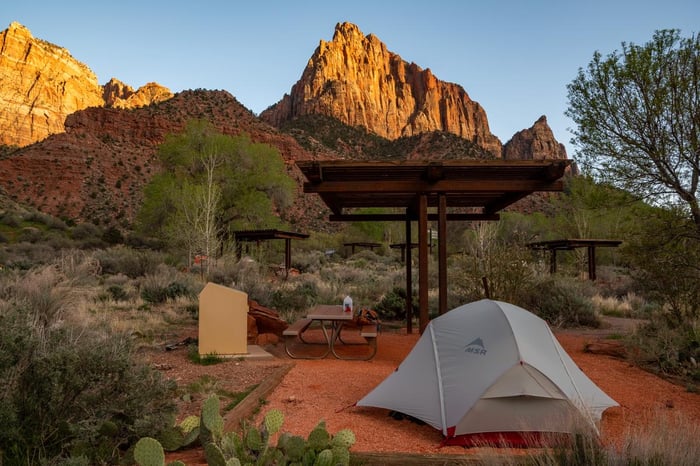
Here are some top camping spots in Texas to explore with Texas Shuttle:
Big Bend National Park
Located in far west Texas, Big Bend National Park is a must-see destination for outdoor enthusiasts. With over 150 miles of hiking trails, the park offers incredible views of the Chisos Mountains, the Rio Grande River, and the Chihuahuan Desert. The park also provides various camping options, from primitive backcountry sites to RV sites with hookups.
Enchanted Rock State Natural Area
Enchanted Rock is a massive pink granite dome in the Hill Country of Texas. Austin to San Antonio travel guide This popular camping spot offers hiking, rock climbing, and stargazing opportunities. The park features campsites for tents and RVs and primitive backpacking sites for those looking to get off the beaten path.
Padre Island National Seashore
Padre Island National Seashore is the longest undeveloped barrier island in the world, with over 70 miles of coastline. Padre Island is a unique and unforgettable camping destination with swimming, fishing, and bird-watching opportunities. The park offers beach camping, where visitors can camp on the sand.
Guadalupe Mountains National Park
It is located in far west Texas and features the highest peak in Texas, Guadalupe Peak. The park offers over 80 miles of trails, including a portion of the famous Pacific Crest Trail. Camping options range from backcountry sites to developed campgrounds with water and electric hookups.
Pedernales Falls State Park
With hiking, biking, and swimming opportunities, Pedernales Falls is an excellent destination for families and outdoor enthusiasts alike. College Station to Austin guide It is known for its beautiful waterfalls and swimming spots in the Hill Country of Texas. The park offers camping options for tents, RVs, and hike-in primitive sites.
Lost Maples State Natural Area
Lost Maples is a beautiful natural state in the Hill Country of Texas. Known for its vibrant fall foliage, Lost Maples offers camping options for tents, RVs, and primitive hike-in sites. With hiking trails, fishing, and bird-watching opportunities, Lost Maples is a great spot for a weekend camping trip.
No matter where you go camping in Texas, pack plenty of sunscreens, bug spray, and water. And with Texas Shuttle, getting to your destination is easy and convenient. You can sit back and relax on the ride with our comfortable and reliable transportation.
When Is the Best Time to Go Camping in Texas?
Texas is big enough that "camping season" depends entirely on where you're headed. In West Texas destinations like Big Bend National Park and Guadalupe Mountains National Park, spring (March through May) and fall (October through November) are the sweet spots — daytime temperatures are comfortable for hiking, and the desert comes alive with blooms in spring. Summer in the Chihuahuan Desert can be dangerously hot, and the National Park Service advises visitors to carry far more water than they think they'll need if they hike during warmer months.
In the Texas Hill Country, spring brings wildflowers along routes like US-290 between Austin and Fredericksburg, while fall is ideal for cooler nights at Pedernales Falls State Park. If you're chasing color, plan a late-October or November trip to Lost Maples State Natural Area, where the maple canyons typically draw their biggest crowds during peak foliage. East Texas and the Gulf Coast shine in fall, winter, and early spring, when humidity and insects drop and camping at places like Caddo Lake or the beach at Padre Island National Seashore becomes far more pleasant. Winter camping is genuinely viable across much of the state — a rarity compared to northern destinations — though West Texas mountain parks can see snow and freezing nights.
Texas Camping Regions at a Glance
Because Texas spans deserts, piney woods, canyons, and coastline, it helps to think in regions when planning a trip. Here's a quick comparison to help you match a destination to your travel style:
| Region | Top Camping Spots | Best For | Main Access Routes |
|---|---|---|---|
| Far West Texas | Big Bend National Park; Guadalupe Mountains National Park; Davis Mountains State Park | Stargazing, desert hiking, mountain scenery | I-10, US-90, TX-118, US-62/180 |
| Hill Country | Enchanted Rock; Pedernales Falls; Lost Maples; Garner State Park | Swimming, short hikes, family weekends | US-290, US-281, US-83, TX-16 |
| Gulf Coast | Padre Island National Seashore; Galveston Island State Park; Mustang Island State Park | Beach camping, fishing, birding | I-37, Park Road 22, TX-361 |
| Panhandle Plains | Palo Duro Canyon State Park; Caprock Canyons State Park | Canyon vistas, horseback riding, bison viewing | I-27, TX-217, US-287 |
| East Texas | Caddo Lake State Park; Daingerfield State Park | Paddling, fishing, shaded piney-woods campsites | I-20, US-59, TX-43 |
More Standout Campgrounds Worth the Drive
Palo Duro Canyon State Park
Often called the "Grand Canyon of Texas," Palo Duro Canyon southeast of Amarillo is widely cited as the second-largest canyon in the United States. Reached via TX-217 from Canyon, the park drops hundreds of feet into colorful layered rock, with the Lighthouse formation as its signature landmark. Campsites sit both on the rim and on the canyon floor, and the park's long trail network — including the Lighthouse Trail — makes it a favorite for hikers and equestrian campers alike.
Caddo Lake State Park
On the Louisiana border near Karnack, Caddo Lake State Park protects one of the most atmospheric landscapes in Texas: cypress trees draped in Spanish moss over a maze of bayous. Caddo Lake is commonly described as the largest natural lake in Texas, and it's best experienced by canoe or kayak. Shaded campsites and cabins along Big Cypress Bayou make this a uniquely quiet, paddler-oriented alternative to the state's desert parks.
Garner State Park
Along the crystal-clear Frio River near Concan (just off US-83), Garner is one of the most popular state parks in the Texas park system, especially in summer when families come to swim, float, and tube. The park also has elevation — hike up Old Baldy for a view of the river valley — and its decades-long tradition of evening dances at the pavilion gives it a nostalgic charm few other parks can match.
Caprock Canyons State Park
A less-crowded neighbor to Palo Duro, Caprock Canyons near Quitaque on TX-207 is home to the official Texas State Bison Herd, which roams freely within the park. Red-rock canyons, a scenic drive, and the trailway built on a former railroad line give campers plenty to explore without the busiest parking lots in the Panhandle.
Choosing Your Camping Style in Texas
Not every camper wants the same experience, and Texas accommodates nearly all of them:
- Developed campgrounds: Most Texas state parks and national parks offer sites with restrooms nearby, and many include water and electric hookups for RVs. These are ideal for families and first-time campers.
- Primitive and hike-in sites: Parks like Lost Maples, Enchanted Rock, and Pedernales Falls offer walk-in or backpacking sites for campers who want quieter nights and darker skies. Expect to carry in your own water at many of these.
- Backcountry camping: Big Bend and Guadalupe Mountains both allow backcountry camping with permits, letting experienced hikers spend multiple days deep in the desert or mountains.
- Beach camping: At Padre Island National Seashore, camping directly on the sand is permitted, with more remote stretches of the island accessible only by four-wheel-drive vehicles. Check current conditions with the park before heading down-island.
- RV travel: With major corridors like I-10, I-35, and I-45 crossing the state, RV campers can string together long road trips with hookups available at or near nearly every major destination.
Essential Packing List for Texas Camping
Texas conditions can swing from scorching afternoons to cold nights — sometimes in the same day. Beyond your standard tent, sleeping bag, and camp stove, experienced Texas campers always bring:
- Far more water than seems necessary, especially in West Texas, where the desert climate dehydrates you faster than you expect.
- Sun protection — sunscreen, hats, and lightweight long sleeves — since shade is scarce in desert and coastal parks.
- Insect repellent, essential in East Texas and along the coast, particularly in warmer months.
- Layers, because West Texas and Panhandle nights can drop near freezing even after warm days.
- A paper map or downloaded offline maps, since cell service is unreliable in Big Bend, Guadalupe Mountains, and other remote areas.
- Snake gaiters or caution around brush and rocks — rattlesnakes are part of the Texas landscape, especially in warmer months.
Reservations and Rules to Know Before You Go
Texas state parks, managed by the Texas Parks and Wildlife Department, use an online reservation system, and popular parks — Garner, Enchanted Rock, Lost Maples, and Palo Duro among them — routinely sell out weekends and holidays weeks in advance. Booking early is the single best tip for camping in Texas. Note that Enchanted Rock also reaches day-use capacity frequently, so even non-campers should reserve entry.
National park sites like Big Bend and Guadalupe Mountains handle camping through their own systems, and backcountry permits are required for overnight hikes. Fire rules change with conditions: burn bans are common in dry seasons across Texas, so check with the park before planning campfire meals. Finally, remember that Texas state parks are pack-in, pack-out for trash, and pets must remain on leashes.
Getting to Texas Campgrounds with Texas Shuttle
Many of Texas's best camping destinations sit hours from the nearest major airport, and renting a car isn't the only way to reach them. Texas Shuttle provides comfortable, reliable ground transportation across the state, connecting travelers with the parks and trailheads on this list. Whether you're flying in for a weekend at a Hill Country swimming hole or planning a longer trip to the Chisos Mountains, riding with Texas Shuttle lets you arrive rested and ready to set up camp — without navigating unfamiliar highways after a long flight.
From the cypress swamps of Caddo Lake to the granite dome of Enchanted Rock and the rim of Palo Duro Canyon, camping in Texas rewards every kind of outdoor traveler. Reserve your campsite early, pack for the climate, and let Texas Shuttle handle the drive.
Frequently Asked Questions About Camping in Texas
Do I need a reservation to camp in Texas state parks?
Yes, reservations are strongly recommended and often required. Texas Parks and Wildlife operates an online reservation system, and popular parks frequently sell out on weekends and holidays, so book as far ahead as possible.
What is the best time of year for camping in Texas?
Spring and fall are generally best for most of the state. West Texas desert parks are best avoided at the height of summer due to extreme heat, while East Texas and the coast are most comfortable from fall through spring.
Can you camp on the beach in Texas?
Yes. Padre Island National Seashore allows beach camping, and some state parks like Mustang Island and Galveston Island offer beachside sites. Conditions and access can change, so confirm details with the park before your trip.
Are campfires allowed at Texas campgrounds?
It depends on current fire conditions. Burn bans are common during dry periods and may prohibit open flames even in established campgrounds. Always check the park's current status before relying on a campfire for cooking.
Is camping in Texas safe for families with kids?
Absolutely. Developed campgrounds at parks like Garner, Pedernales Falls, and Palo Duro are family favorites with facilities and amenities. Follow standard precautions: stay hydrated, watch children near water, and give wildlife plenty of space.
What wildlife should I be aware of while camping in Texas?
Depending on the region, you may encounter deer, javelina, bison at Caprock Canyons, snakes, scorpions, and, in remote West Texas, black bears and mountain lions. Store food securely, keep a clean camp, and never approach or feed wild animals.
Can I go camping in Texas without a car?
Yes. With Texas Shuttle providing ground transportation to destinations across the state, travelers can fly in and reach major camping areas without renting a vehicle — a convenient option for out-of-state visitors planning a car-free outdoor trip.