
Texas is a premier birding destination in the United States, offering a diverse range of habitats and ecosystems that attract a wide variety of bird species. From the Gulf Coast to the Panhandle and the mountains to the prairies, Texas is home to some of the best birdwatching spots in the country. With Texas Shuttle, you can explore these birding hotspots in comfort and style with expert guides and convenient transportation. Here are a few of the best birdwatching spots in Texas to discover with Texas Shuttle.
The Rio Grande Valley
The Rio Grande Valley is a birding paradise with a subtropical climate and a diverse range of habitats that attract an incredible array of bird species. explore the Rio Grande Valley The valley is home to several national wildlife refuges, including Santa Ana, Bentsen-Rio Grande Valley, and Laguna Atascosa, as well as several state parks and nature reserves. Some of North America's most sought-after bird species include the Green Jay, Great Kiskadee, and Altamira Oriole.
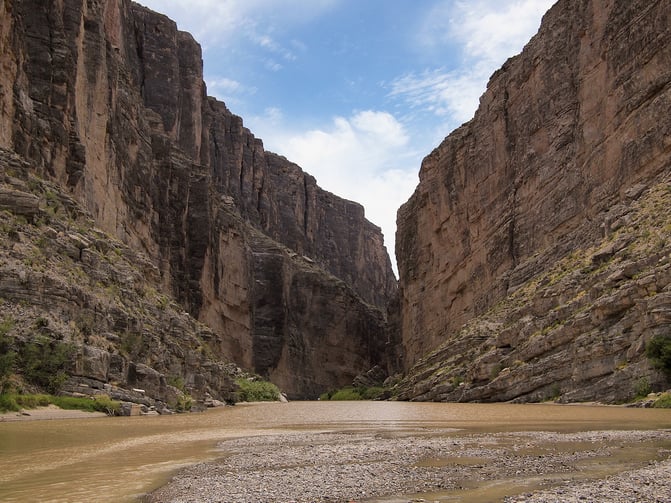
Big Bend National Park
Big Bend National Park is the most spectacular and remote national park in the United States, offering a range of habitats and ecosystems that attract a diverse array of bird species. Big Bend transportation From the Chisos Mountains to the Chihuahuan Desert and the Rio Grande River, Big Bend is a birder's paradise. Big Bend transportation Some bird species in Big Bend include the Colima Warbler, Mexican Jay, and Montezuma Quail.
The Davis Mountains
The Davis Mountains in West Texas are another top birdwatching destination, with a high elevation and diverse range of habitats that attract many bird species that are hard to find elsewhere in Texas. Davis Mountains travel guide Davis Mountains travel guide The area is home to several birding hotspots, including the McDonald Observatory, Fort Davis National Historic Site, and Davis Mountains State Park. Here bird species such as the Black-chinned Sparrow, Hepatic Tanager, and Zone-tailed Hawk can be seen.
The Gulf Coast
The Texas Gulf Coast is a vital stopover for migrating birds, with a range of habitats and ecosystems that provide food and shelter for millions of birds every year. explore the Gulf Coast The coast is home to several national wildlife refuges, including Aransas, Attwater Prairie Chicken, and Brazoria, as well as several state parks and nature reserves. Some bird species on the Texas Gulf Coast include the Whooping Crane, Reddish Egret, and Roseate Spoonbill.
Explore Texas Birding with Texas Shuttle
With Texas Shuttle, you can explore these and other birding hotspots in Texas in comfort and style. Our experienced guides and convenient transportation make birding in Texas easy and hassle-free, so you can focus on spotting the unique bird species that call Texas home. Book your Texas Shuttle tour today and discover the wonders of Texas birding.

Frequently Asked Questions
What bird species can I expect to see in the Rio Grande Valley?
In the Rio Grande Valley, you can spot the Green Jay, Great Kiskadee, and Altamira Oriole among others.
Which park is best for seeing diverse habitats and ecosystems in Texas?
Big Bend National Park offers a wide range of habitats from the Chisos Mountains to the Chihuahuan Desert.
What makes the Davis Mountains unique for birdwatching?
The Davis Mountains feature high elevation and diverse habitats, attracting species like the Black-chinned Sparrow and Zone-tailed Hawk.
Where can I find Whooping Cranes on my Texas trip?
Whooping Cranes are found in national wildlife refuges along the Texas Gulf Coast, such as Aransas National Wildlife Refuge.
More Must-Visit Birdwatching Spots Across Texas
Beyond the destinations already covered above, Texas offers a wealth of additional birding locations worth adding to your itinerary. Here are more of the best birdwatching spots in North, East, and Central Texas, along with practical tips on how to reach them.
High Island and the Upper Texas Coast
High Island, located on the Bolivar Peninsula in Chambers County and reachable via TX 124 south of Interstate 10, is one of the most famous spring migration stopover sites in the United States. The elevated salt dome "island" rises noticeably above the surrounding coastal marsh, and its mature oak mottes provide critical rest and shelter for exhausted songbirds crossing the Gulf of Mexico. The Houston Audubon Society maintains sanctuaries here, including Boy Scout Woods and Smith Oaks, where birders gather each spring to watch warblers, tanagers, orioles, and vireos arrive after their trans-Gulf journey. Nearby, Rookery at Smith Oaks hosts nesting roseate spoonbills, great egrets, and herons on a small lake island, offering exceptional viewing and photography opportunities from boardwalks and viewing platforms.
Bolivar Flats Shorebird Sanctuary
Just a short drive from High Island, at the end of Ferry Road in Port Bolivar, Bolivar Flats Shorebird Sanctuary protects extensive mudflats and salt marsh at the mouth of Galveston Bay. The area is a Globally Important Bird Area, and shorebird enthusiasts come here for plovers, sandpipers, avocets, and American oystercatchers. You can reach it via the free Galveston–Port Bolivar ferry, which itself offers chances to see pelicans, gulls, and terns, and sometimes dolphins in the ship channel.
Sabine Woods and Sea Rim State Park
Sabine Woods, a Houston Audubon sanctuary located south of Winnie off TX 87 near Sabine Pass, is another celebrated migrant trap on the Upper Texas Coast. Its live oak groves shelter migrating songbirds in spring and fall, and the adjacent coastal prairie habitat supports wading birds and raptors. Continue south to Sea Rim State Park, where marshlands and Gulf beach habitats combine to attract herons, rails, and waterfowl, depending on the season.
Caddo Lake State Park
In far East Texas near the town of Uncertain, Caddo Lake State Park sits off TX 43 and protects a maze of bayous, sloughs, and bald cypress swamps draped with Spanish moss. This uniquely atmospheric environment—part of the largest natural freshwater lake complex in the South—supports wood ducks, prothonotary warblers, barred owls, and an array of woodpeckers. Paddling the paddling trails or taking a guided swamp boat tour gives birders access to species that are difficult to see from land.
Hornsby Bend Bird Observatory, Austin
Hornsby Bend, located along the Colorado River east of Austin off FM 969, is a wastewater treatment facility that has become one of Central Texas's best-known birding sites. The ponds, riparian woods, and grasslands here attract waterfowl, shorebirds, and migrating landbirds, and the site hosts the Hornsby Bend Bird Observatory, which conducts ongoing bird surveys. It is a favorite spot among Austin birders for rare-bird reports and seasonal variety.
Balcones Canyonlands National Wildlife Refuge
Northwest of Austin, reached via Ranch to Market Road 1431 near Marble Falls and Lago Vista, Balcones Canyonlands National Wildlife Refuge was established to protect habitat for two endangered songbirds: the golden-cheeked warbler, which nests in mature juniper-oak woodlands, and the black-capped vireo, which favors scrubby regrowth. The refuge's trails and hill-country scenery make it a rewarding destination for birders seeking these range-restricted Central Texas specialties, best visited during the spring and early summer nesting season.
Guadalupe Mountains National Park
For West Texas birders continuing north from the Davis Mountains, Guadalupe Mountains National Park sits along US 62/180 between Carlsbad, New Mexico, and Salt Flat, Texas. The park protects Texas's highest peaks, and its elevational range—from desert scrub to montane forest—supports birds such as the pygmy nuthatch andSteller's jay in the higher elevations, alongside desert species in the lowlands. McKittrick Canyon is a particularly scenic area for a birding hike.
Estero Llano Grande State Park and South Padre Island
In the Rio Grande Valley town of Weslaco, along I-2/US 83, Estero Llano Grande State Park combines wetlands, woodlands, and resaca habitats in a compact, birder-friendly setting with boardwalks and ponds. Farther east, the South Padre Island Birding, Nature Center & Alligator Sanctuary, reached via TX 100 across the Queen Isabella Causeway, protects coastal dunes, freshwater wetlands, and boardwalk trails where herons, rails, and migratory songbirds can be seen within easy reach of the island's resorts.
Comparing Texas's Top Birdwatching Regions at a Glance
Use this quick comparison to match your birding goals with the right destination and season.
| Destination | Region | Best Season | Signature Species | Getting There |
|---|---|---|---|---|
| High Island | Upper Gulf Coast | Spring migration | Warblers, tanagers, spoonbills | TX 124 off I-10 |
| Bolivar Flats | Upper Gulf Coast | Year-round, peak shorebird movement spring/summer | Plovers, avocets, oystercatchers | Port Bolivar via TX 87 and the Galveston ferry |
| Caddo Lake State Park | East Texas | Spring and fall | Prothonotary warbler, wood duck | TX 43 near Uncertain, TX |
| Hornsby Bend | Central Texas (Austin) | Year-round | Waterfowl, shorebirds, riparian songbirds | FM 969 east of Austin |
| Balcones Canyonlands NWR | Central Texas (Hill Country) | Spring/summer | Golden-cheeked warbler, black-capped vireo | RM 1431 near Marble Falls |
| Guadalupe Mountains NP | West Texas | Spring and fall | Montane and desert species | US 62/180 |
| Estero Llano Grande SP | Rio Grande Valley | Winter and spring | Valley specialties and wetland birds | I-2/US 83 at Weslaco |
Practical Tips for Birding Texas
When to Go
Spring migration, roughly March through May, is the headline season on the Upper Texas Coast, when trans-Gulf migrants pour into coastal woodlands. Fall migration and winter bring waterfowl, cranes, and raptors to the coast and interior wetlands, while the Rio Grande Valley and the Hill Country shine in spring and summer for nesting specialties.
What to Bring
Binoculars are essential, and a spotting scope pays off at coastal flats and wetlands. Pack sun protection, plenty of water, and insect repellent, especially for East Texas swamps and coastal marshes. Sturdy footwear is useful for refuge trails, and checking each site's posted hours and access rules before you go will save time—some sanctuaries have specific entry procedures or donation boxes that support habitat management.
Getting Around
Texas's top birding sites are spread across hundreds of miles, so planning transportation matters. Major airports in Houston, Dallas–Fort Worth, Austin, and the Valley provide convenient gateways, and ground transportation services can handle the long highway legs—such as I-10 to the coast, US 290 to Austin, or US 77/US 281 south to the Valley—so you can rest between early morning birding sessions.
Frequently Asked Questions
What is the best time of year for birdwatching in Texas?
Spring migration (March through May) is generally the best time, especially on the Upper Texas Coast. Winter is excellent for waterfowl and cranes, and summer is best for nesting specialties like the golden-cheeked warbler.
Where is High Island and why is it famous among birders?
High Island is on the Bolivar Peninsula in Chambers County, reached via TX 124 off Interstate 10. It is famous as a spring stopover site where migrating songbirds rest in its oak mott sanctuaries after crossing the Gulf of Mexico.
Can I see shorebirds near Galveston?
Yes. Bolivar Flats Shorebird Sanctuary in Port Bolivar, accessible by the free Galveston–Port Bolivar ferry, hosts plovers, avocets, sandpipers, and American oystercatchers on extensive mudflats.
What is the best birding spot in East Texas?
Caddo Lake State Park near Uncertain, TX, offers bald cypress swamps along bayou paddling trails where birders look for prothonotary warblers, wood ducks, and barred owls.
Where can I see the golden-cheeked warbler in Central Texas?
Balcones Canyonlands National Wildlife Refuge northwest of Austin, off RM 1431, protects juniper-oak woodland habitat where the golden-cheeked warbler nests in spring and early summer.
Do I need a spotting scope for birding in Texas?
A spotting scope is highly recommended at coastal sites like Bolivar Flats and at wetlands such as Hornsby Bend, where distant mudflats and ponds hold many shorebirds and waterfowl, but binoculars alone are sufficient in wooded sites like High Island and Sabine Woods.
How far apart are Texas's main birding regions?
The distances are significant—the Rio Grande Valley, the Upper Coast, East Texas, and West Texas are each separated by several hours of driving—so most birders focus on one or two regions per trip and plan transportation accordingly.