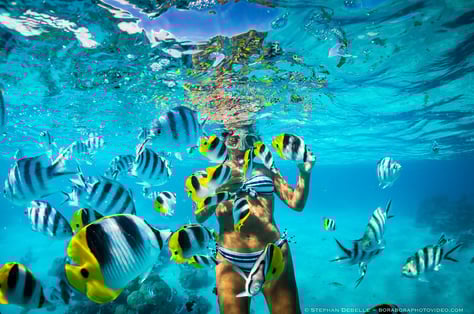
نعم، يمكنك الغوص بأنبوب التنفس في تكساس. وي offer ساحل الولاية على الخليج وأنهارها المتغذية بالينابيع خيارات تتراوح بين السباحة السهلة في الخلجان والشعاب المرجانية في فلور غاردن بانكس، على بُعد نحو 100 ميل عن الشاطئ. حِزم كمامة وزعانف وجهاز تعويم، ولا تسبح وحدك، واستخدم هذا الدليل لاختيار وجهتك. ومن بين أشهر أماكن الغوص بأنبوب التنفس في تكساس:
-
شاطئ بادري آيلاند الوطني:
تقع هذه الحديقة على ساحل الخليج، وتضم أكثر من 130,000 فدانًا من الشواطئ والكثبان المحمية، بالإضافة إلى مواطن الأراضي الخلجية والبحيرات الساحلية التي تؤوي أنواعًا متنوعة من الحياة البحرية. دليل متنزه بادري آيلاند الوطني البحري
-
محمية فلور غاردن بانكس البحرية الوطنية:
تقع هذه المنطقة على بُعد حوالي 100 ميل عن سواحل تكساس، وهي معروفة بمياهها الصافية وشعابها المرجانية الزاهية. وتُعد وجهة شهيرة للغطس باستخدام أنبوب التنفس والغوص بالأسطوانات. استكشاف فلور غاردن بانكس
-
حديقة غالفستون آيلاند الحكومية:
تقدم هذه الحديقة شواطئ ومواطن خلجية تمتد على أميال، وتُعد موطنًا لمجموعة متنوعة من الأسماك وغيرها من الحيوانات البحرية. مواصلات حديقة غالفستون آيلاند الحكومية نصائح لزيارة حديقة غالفستون آيلاند الحكومية
-
حديقة ماتاغوردا باي الطبيعية:
تقع هذه الحديقة على الساحل الخليجي، وتضم مجموعة متنوعة من الموائل، بما في ذلك المستنقعات المالحة، والشواطئ، ومياه الخليج التي تعيش فيها مجموعة متنوعة من الكائنات البحرية.
أمور ينبغي أخذها بعين الاعتبار:
الغطس بقناع أنبوب التنفس من الأنشطة المائية الرائجة التي تتيح لك استكشاف العالم تحت الماء ومراقبة الكائنات البحرية. وهو يتطلب العوم على سطح الماء مع ارتداء قناع غطس وأنبوب تنفس وزعانف. وللبدء بالغطس بقناع أنبوب التنفس، ستحتاج إلى عدد من القطع الأساسية من المعدات:
- قناع الغطس: يغطي عينيك وأنفك، مما يتيح لك الرؤية بوضوح تحت الماء.
- أنبوب التنفس: أنبوب يتيح لك التنفس أثناء العوم على سطح الماء.
- الزعانف: تُرتدى على القدمين وتساعدك على السباحة بكفاءة أكبر.
- بدلة غطس أو قميص واقي من الشمس: فهذا يحميك من الشمس ولسعات قناديل البحر.
أفضل وقت للغطس بقناع وكمامة
ومع ذلك، فإن أفضل وقت للغطس بقناع وكمامة في تكساس يكون في الصيف، عندما تكون المياه أدفأ وتكون الرؤية تحت الماء أفضل. تأكد من الاطلاع على أي قواعد أو لوائح محددة تخص الغطس بقناع وكمامة لدى الحديقة أو المنطقة التي تنوي زيارتها. وتحقق دائمًا من حالة الطقس قبل الخروج، وكن على علم بأي تحذيرات أو إنذارات. أثناء الغطس، يجب أن تكون واعيًا بما يحيط بك وتحترم الحياة البحرية والبيئة. تجنب لمس الشعاب المرجانية أو أي كائنات بحرية أخرى أو إزعاجها، والتزم دائمًا بالقوانين واللوائح المحلية. عند الانتهاء من الغطس، تأكد من تنظيف معداتك والمحافظة عليها بشكل صحيح لضمان بقاءها صالحة للعديد من المغامرات القادمة.
Texas Shuttle سيساعدك على تخطيط رحلتك إلى هذه الوجهات الرائعة للغوص بالشهّابك في تكساس. يمكنك حجز خدمة النقل بالشuttle من دالاس إلى هيوستن.دالاس إلى هيوستن سنستقبلك من موقعك وسنوصلك إلى وجهتك بالضبط. تنفذ معظم الرحلات، من دون توقف، بسيارات مريحة أو سيارات دفع رباعي أو حافلات نقل. نحن متاحون على مدار الساعة طوال أيام الأسبوع. يمكنك أيضًا تغيير الموعد أو التاريخ معنا دون رسوم. معانا تقل المتاعب وتوفّر المزيد من المال. تقدم Texas Shuttle خدمة أكثر أمانًا، وأسعارها معقولة، ومرنة ومريحة أكثر من أي خدمة نقل أخرى. احجز رحلتك معنا هذا الموسم لتجربة أجواء عطلة دافئة خالية من التوتر. بل يقلل ذلك من التكاليف غير المرغوب فيها التي تتحملونها عند ركوب سيارات الأجرة أو الحافلات للعودة إلى المنزل. نقدم سائقين محترفين مرتدين الزي الرسمي ومركبات نظيفة. رسالتنا أن نكسب ولاء عملائنا مدى الحياة من خلال تجاوز توقعاتهم في مجال الخدمة.

الأسئلة الشائعة
ما أفضل الأوقات للخروج في رحلة غوص بالشهّابك في تكساس؟
أفضل وقت للغطس بالزعانف في تكساس هو خلال الصيف، عندما تكون درجات حرارة الماء أعلى وتكون الرؤية أوضح.
أين يمكنني العثور على شعاب مرجانية زاهية الألوان للغطس بالزعانف بالقرب من تكساس؟
محمية فلور غاردن بانكس البحرية الوطنية، الواقعة على بُعد نحو 100 ميل قبالة ساحل تكساس، معروفة بمياهها الصافية وشعابها المرجانية الزاهية.
ما المعدات التي أحتاجها لأبدأ الغطس بالزعانف في تكساس؟
ستحتاج إلى كمامة غوص، وأنبوب تنفس، وزعانف، ويمكن أيضًا استخدام بدلة غوص أو ملابس واقية ضد الشمس والاحتكاك للحماية. هل تحتاج إلى خدمة نقل في هذه المنطقة؟ تعرض صفحتنا الخاصة بـالنقل من هيوستن إلى غالفستون أسعارًا ثابتة وإمكانية الحجز عبر الإنترنت.
هل يمكنني زيارة محمية باددر آيلاند الوطنية الشاطئية للغطس بالزعانف؟
نعم، توفر محمية باددر آيلاند الوطنية الشاطئية موائل في الخلجان والبحيرات الساحلية، بمياه صافية وحياة بحرية مناسبة للغطس بالزعانف. هل تخطط لمسار مختلف؟ اطّلع على صفحتنا الخاصة بـحجز خدمة النقل في تكساس للاطلاع على الأسعار الثابتة والحجز عبر الإنترنت.