DFW vs DAL: आपके अगले यात्रा के लिए कौन सा डलास हवाईअ

Texas Shuttle
DFW vs DAL: आपके अगले सफ़र के लिए कौन सा डलास हवाई अड्डा बेहतर है?
डलास से उड़ान भरने की योजना बना रहे हैं और डलास फोर्ट वर्थ अंतरराष्ट्रीय हवाई अड्डा (DFW) और डलास लव फील्ड (DAL) के बीच चयन नहीं कर पा रहे? आप अकेले नहीं हैं। प्रत्येक हवाई अड्डा आपकी जरूरतों के अनुसार अलग‑अलग सुविधाएँ, मार्ग विकल्प और परिवहन लॉजिस्टिक्स प्रदान करता है। चाहे आप व्यवसायिक यात्रा कर रहे हों, पारिवारिक अवकाश पर जा रहे हों, या समूह यात्रा का समन्वय कर रहे हों, यह व्यापक गाइड दोनों हवाई अड्डों की विस्तृत तुलना करता है—एयरलाइन ऑफ़रिंग्स और टर्मिनल लेआउट से लेकर शटल पहुँच और यात्रियों के अनुभव तक—ताकि आप टेक्सास शटल के साथ हवाई अड्डा शटल बुक करने से पहले एक आत्मविश्वासपूर्ण चयन कर सकें।
SECTION 1: Overview — Understanding DFW and DAL
डैलस-फ़ोर्ट वर्थ अंतरराष्ट्रीय हवाई अड्डा (DFW) दुनिया के सबसे व्यस्त हवाई अड्डों में से एक है, जो 17,000 एकड़ से अधिक क्षेत्र में फैला हुआ है, पाँच टर्मिनल और विश्वव्यापी कनेक्टिविटी के साथ। वहीं, डैलस लव फील्ड (DAL), छोटा और डाउनटाउन के करीब, मुख्यतः घरेलू मार्गों पर संचालित होता है, तेज़ चेक‑इन और अधिक कॉम्पैक्ट यात्रा अनुभव प्रदान करता है।
DFW मुख्य बातें:
- अमेरिकन एयरलाइन्स का होम बेस
- वैश्विक यात्रा हब
- 5 टर्मिनल (A‑E) जिसमें कनेक्शन के लिए स्काइलिंक ट्रेन
- विस्तृत रेस्तरां और शॉपिंग विकल्प
DAL मुख्य बातें:
- साउथवेस्ट एयरलाइन्स का घर
- छोटी सुरक्षा लाइनें और कम चलना
- हाल ही में आधुनिकीकरण किया गया टर्मिनल
- क्षेत्रीय या छोटे‑अवधि की यात्रा के लिए आदर्श
सेक्शन 2: दूरी और स्थान — आपके सबसे नज़दीक क्या है?
स्थान एक बड़ा कारक है, विशेष रूप से शुरुआती या देर के उड़ानों के दौरान जब ट्रैफ़िक या समय महत्वपूर्ण हो। Love Field टिप्स DFW नेविगेशन गाइड यहाँ एक तुलना है कि दो हवाई अड्डे लोकप्रिय डलास गंतव्यों से कैसे हैं:
डाउनटाउन डलास से:
- DAL: 6 miles (लगभग 15 मिनट)
- DFW: 20 miles (25–35 मिनट)
प्लानो/फ़्रिस्को से:
- DAL: लगभग 26 miles (~35–45 मिनट)
- DFW: लगभग 22 miles (~30–40 मिनट)
आर्लिंगटन/फ़ोर्ट वर्थ से:
- DAL: लगभग 35 miles (~45–55 मिनट)
- DFW: करीब लगभग 15 miles (~20–30 मिनट)
Texas Shuttle दोनों हवाई अड्डों तक सेवा प्रदान करता है और हमारे ड्राइवर लाइव ट्रैफ़िक डेटा के आधार पर सबसे सीधे मार्ग चुनते हैं। हवाई अड्डा शटल सेवाएँ
SECTION 3: Flight Options and Airlines
अंतरराष्ट्रीय उड़ानें? कम लागत वाले वीकेंड ट्रिप की बुकिंग? देखें कि कौन‑से एयरलाइन प्रत्येक हवाई अड्डे से संचालित होते हैं:
DFW Airlines:
- American Airlines (हब)
- Delta, United, Spirit, Aeromexico, Lufthansa, British Airways, Emirates, Qatar Airways, आदि
- घरेलू और अंतरराष्ट्रीय दोनों उड़ानों के लिए आदर्श
DAL Airlines:
- Southwest Airlines (मुख्य रूप से प्रमुख)
- Alaska Airlines (सीमित संचालन)
- राष्ट्रीय यात्रा और अंतिम‑क्षण की उड़ानों के लिए सबसे अच्छा
DFW अंतरराष्ट्रीय या बिजनेस‑क्लास विकल्पों के लिए सबसे अच्छा है, जबकि DAL कम‑दर वाले घरेलू ट्रिप और तेज़ बोर्डिंग के लिए आदर्श है।
SECTION 4: Transportation and Shuttle Access
हवाई अड्डे तक पहुँचना तनाव‑मुक्त होना चाहिए। यहाँ प्रत्येक हवाई अड्डे की ड्रॉप‑ऑफ़ ज़ोन, शटल लॉजिस्टिक्स और समग्र पहुँच के संदर्भ में तुलना दी गई है:
DFW Transportation:
- बड़े हवाई अड्डे की लेआउट के कारण टर्मिनलों तक अधिक चलना पड़ता है।
- आगमन और प्रस्थान के लिए कई स्तर
- बैगेज क्लेम के पास निर्धारित ज़ोन में साझा सवारी पिकअप
- टेक्सास शटल टर्मिनल‑विशिष्ट ड्रॉप‑ऑफ़ और कस्टम समूह सेवा को समायोजित करता है
DAL ट्रांसपोर्टेशन:
- कॉम्पैक्ट और नेविगेट करने में आसान
- एक मुख्य टर्मिनल भ्रम को कम करता है
- कॉम्पैक्ट आकार के कारण वरिष्ठ यात्रियों या बच्चों वाले यात्रियों के लिए आसान
- पिकअप और ड्रॉप‑ऑफ़ पॉइंट पर कम भीड़
नोट: टेक्सास शटल के साथ, हम दोनों हवाई अड्डों के लिए वास्तविक‑समय जीपीएस ट्रैकिंग और वाहन आकार चयन प्रदान करते हैं ताकि आपकी सवारी अनुभव सरल हो सके।
SECTION 5: पार्किंग और लागत विचार
यदि आप कुल यात्रा लागत की तुलना कर रहे हैं, तो पार्किंग शुल्क महत्वपूर्ण हैं।
DFW पार्किंग:
- टर्मिनल पार्किंग: $24/day
- रिमोट पार्किंग: $10–$15/day
- वैलेट: $40/day
DAL पार्किंग:
- गैरेज A/B/C: $13–$16/day
- वैलेट: $40/day
टिप: दीर्घकालिक पार्किंग के लिए भुगतान करने के बजाय, कई यात्रियों ने टेक्सास शटल को चुना है और विशेष रूप से विस्तारित अवकाश या व्यावसायिक यात्राओं के लिए काफी बचत की है।
SECTION 6: यात्री अनुभव और सुविधाएँ
DFW:
- अधिक भोजन और लाउंज विकल्प (Minute Suites, AmEx Centurion Lounge, Capital One Lounge)
- अंतरराष्ट्रीय व्यंजनों की विस्तृत विविधता
- बड़े टर्मिनल का मतलब है सामान के साथ अधिक चलना
DAL:
- छोटा लेकिन हाल ही में उच्चस्तरीय दुकानों और भोजनालयों के साथ नवीनीकृत
- स्वच्छता और स्थानीय चरित्र के लिए जाना जाता है
- तंग कनेक्शन के लिए आसान नेविगेशन
टेक्सास शटल दोनों अनुभवों में सुविधा जोड़ता है, दरवाज़ा‑से‑दरवाज़ा पिकअप और सामान ड्रॉप‑ऑफ़ में सहायता के साथ।
SECTION 7: फायदे और नुकसान सारांश तालिका
DFW फायदे:
- विस्तृत एयरलाइन विकल्प
- अंतरराष्ट्रीय उड़ानें
- कई लाउंज
DFW नुकसान:
- बड़ा, अधिक भीड़भाड़ वाला
- पीक समय में लंबी TSA लाइनें
- अधिक चलने की आवश्यकता है
DAL के फायदे:
- छोटी कतारें और तेज़ बोर्डिंग
- नेविगेट करने में आसान
- कई निवासियों के लिए केंद्रीय स्थान
DAL के नुकसान:
- कम एयरलाइन विकल्प
- कोई अंतर्राष्ट्रीय उड़ान नहीं
SECTION 8: समूह या परिवार यात्रा पर विचार
DAL बच्चों या बुजुर्ग रिश्तेदारों के साथ यात्रा करने के लिए आदर्श है क्योंकि चलने की दूरी कम है और प्रवेश द्वार एकीकृत हैं। DFW अधिक लचीले अंतर्राष्ट्रीय समूह यात्रा कार्यक्रम की अनुमति देता है लेकिन कई टर्मिनलों को नेविगेट करने के लिए संचार की आवश्यकता होती है।
Texas Shuttle दोनों हवाई अड्डा ट्रांसफ़र का समर्थन करता है, विकल्पों में शामिल हैं:
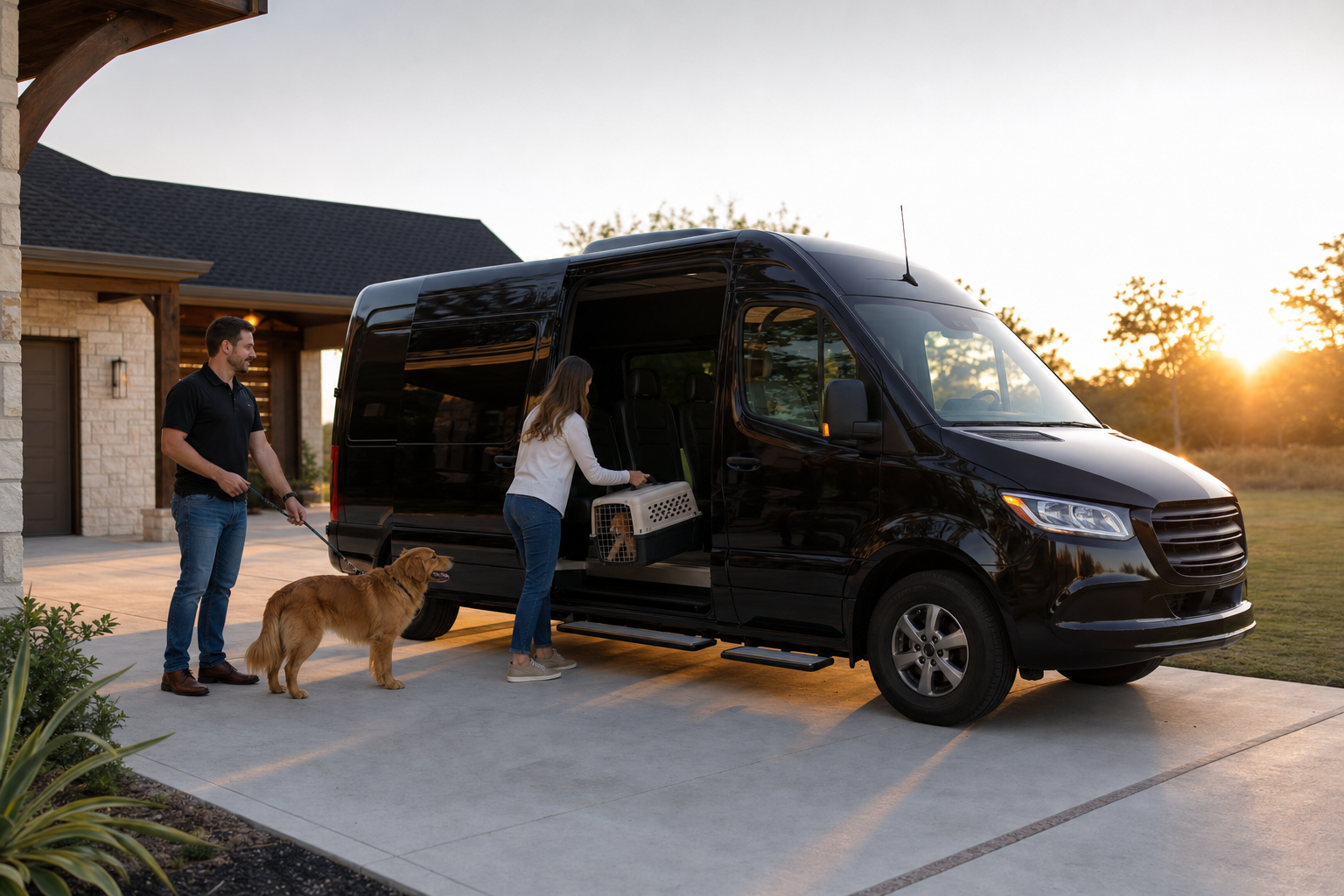
- निजी समूह वैन
- बूस्टर/कार सीटें
- द्विभाषी ड्राइवर अनुरोध
- सुबह जल्दी और देर रात की सवारी समर्थन
SECTION 9: स्थानीय लोगों की राय — सवारों की प्रशंसापत्र
“मैं हमेशा अपने बच्चों के साथ उड़ान भरते समय DAL चुनती हूँ। शटल हमें ठीक बाहर छोड़ देती है, और हम तुरंत निकल जाते हैं।” — Samantha R., Plano
“अंतरराष्ट्रीय उड़ानों के लिए, DFW मेरा पसंदीदा है। मैं Texas Shuttle के साथ रात भर के हवाई अड्डा शटल पिकअप बुक करता हूँ और यह जानकर आराम से सोता हूँ कि वे मुझे वहाँ पहुंचा देंगे।” — Michael C., Fort Worth
“जब भी हमारे कार्यकारियों को Dallas आता है, हम Texas Shuttle का उपयोग करते हैं। यह पेशेवर, समय पर, और राइडशेयर समन्वय से आसान है।” — Tanya P., कॉरपोरेट ट्रैवल कोऑर्डिनेटर
SECTION 10: अंतिम निर्णय — आपके लिए कौन सा हवाई अड्डा सही है?
DFW चुनें यदि:
- आप अंतरराष्ट्रीय उड़ान भर रहे हैं
- आपको प्रीमियम लाउंज की पहुंच चाहिए
- आप American Airlines के माध्यम से व्यापारिक यात्रा कर रहे हैं
DAL चुनें यदि:
- आप एयरलाइन विविधता से अधिक तेज़ पहुंच को प्राथमिकता देते हैं
- आप कम झंझट वाले शांत हवाई अड्डे को चाहते हैं
- आप Southwest के साथ उड़ान भर रहे हैं
जो भी हो, आपकी यात्रा का सबसे तनाव‑मुक्त हिस्सा वहाँ पहुँचना हो सकता है—Texas Shuttle की वजह से।
चाहे आप कोई भी डैलस हवाई अड्डा चुनें, अपने यात्रा के दिन को सहज बनाएं। टेक्सास शटल के साथ DFW या DAL के लिए अपनी सवारी बुक करें—हमारे मित्रवत, पेशेवर ड्राइवर तब तैयार हैं जब आप तैयार हों। पिकअप समय अभी उपलब्ध होने पर जल्दी शेड्यूल करें।
DFW और DAL अलग-अलग प्रकार के यात्रियों की सेवा करते हैं, लेकिन दोनों विश्वसनीय ग्राउंड ट्रांसपोर्टेशन के साथ मिलकर शानदार अनुभव प्रदान कर सकते हैं। टेक्सास शटल के साथ, आपका हवाई अड्डा शटल एक कम चिंता का विषय बन जाता है। हमें सही हवाई अड्डा चयन करने में मदद करने दें — और आपको समय पर, हर बार, पहुँचाएँ।
अक्सर पूछे जाने वाले प्रश्न
यदि मैं यूरोप जा रहा हूँ तो मुझे कौन सा हवाई अड्डा उपयोग करना चाहिए?
DFW बेहतर विकल्प है क्योंकि यह विभिन्न एयरलाइनों जैसे American Airlines, Delta, United आदि के साथ अंतरराष्ट्रीय उड़ानें प्रदान करता है। इस मार्ग पर सवारी चाहिए? हमारे डोर-टू-डोर डैलस से DFW शटल को फ्लैट-रेट प्राइसिंग और 24/7 सेवा के लिए बुक करें।
लव फील्ड की सुरक्षा लाइन में DFW की तुलना में मुझे कितना समय चाहिए?
लव फील्ड में आमतौर पर सुरक्षा लाइनें छोटी होती हैं और चलने की दूरी कम होती है, जिससे आपका अनुभव बड़े DFW की तुलना में तेज़ होता है।
यदि मैं प्लानो से किसी हवाई अड्डे की यात्रा कर रहा हूँ, तो कौन सा निकटतम है?
DFW लगभग 22 मील (30-40 मिनट) पर निकटतम है, जबकि लव फील्ड 26 मील (35-45 मिनट) है। कोई अलग मार्ग योजना बना रहे हैं? हमारे डैलस शटल सेवा पृष्ठ पर फ्लैट-रेट प्राइसिंग और ऑनलाइन बुकिंग देखें।
DFW और DAL के टर्मिनल लेआउट में मुख्य अंतर क्या हैं?
DFW में पाँच टर्मिनल हैं जिनमें स्काइलिंक ट्रेनें कनेक्शन के लिए उपलब्ध हैं, जबकि DAL अधिक कॉम्पैक्ट है और हाल ही में आधुनिकीकृत एकल टर्मिनल लेआउट है। तनाव‑मुक्त विकल्प के लिए, हमारे द रिट्ज़ कार्लटन डलास लास कोलिनास से DFW शटल को देखें जिसमें अग्रिम फ्लैट रेट और दर‑से‑दर पिकअप शामिल है।
Frequently Asked Questions
क्या Texas Shuttle दोनों हवाई अड्डों—DFW और DAL—की सेवा करता है?
हाँ, Texas Shuttle DFW और DAL दोनों के लिए दरवाज़े-से-दरवाज़े शटल सेवा प्रदान करता है। बुकिंग वेबसाइट पर 24/7 ऑनलाइन या फ़ोन से की जा सकती है, और ड्राइवर लाइव ट्रैफ़िक डेटा के आधार पर सबसे सीधा मार्ग चुनते हैं।
मैं DFW या DAL के लिए शटल कैसे बुक करूँ, और राइड प्राइवेट हो सकती है?
बुकिंग वेबसाइट पर 24/7 ऑनलाइन या फ़ोन के ज़रिए की जा सकती है। राइडें डिफ़ॉल्ट रूप से साझा होती हैं; बुकिंग के समय पेड ऐड-ऑन के रूप में प्राइवेट (नो-शेयरिंग) राइड चुनी जा सकती है।
क्या मेरी फ़्लाइट देर से आने पर ड्राइवर इंतज़ार करेगा?
हाँ, हवाई अड्डे से पिकअप के लिए Texas Shuttle आपकी फ़्लाइट की निगरानी करता है, ताकि देरी होने पर ड्राइवर स्वयं समायोजित कर सके। वाहन वास्तविक-समय जीपीएस ट्रैकिंग के साथ आते हैं।
मेरे पार्टी के आकार के अनुसार कौन सी गाड़ी मिलेगी?
Texas Shuttle आपके पार्टी के आकार के अनुसार सेडान, SUV या वैन प्रदान करता है। सभी गाड़ियाँ साफ़-सुथरी और लेट-मॉडल हैं, और DFW पर टर्मिनल-विशिष्ट ड्रॉप-ऑफ़ तथा कस्टम समूह सेवा की सुविधा भी उपलब्ध है।