डालास/फोर्ट वर्थ

Texas Shuttle
डैलस/फ़ोर्ट वर्थ हवाई अड्डे (DFW) को प्रो की तरह नेविगेट करने के लिए अंतिम गाइड
डैलस/फ़ोर्ट वर्थ अंतर्राष्ट्रीय हवाई अड्डा (DFW) दुनिया के सबसे व्यस्त और बड़े हब में से एक है, जो हर साल लाखों यात्रियों की सेवा करता है। जबकि इसका आकार और विस्तार अभिभूत कर सकता है, सही जानकारी के साथ इस विशाल हवाई अड्डे को नेविगेट करना आसान हो जाता है। चाहे आप लंबे समय से इंतज़ार किए गए अवकाश के लिए जा रहे हों या तेज़ व्यावसायिक यात्रा के लिए आ रहे हों, यह गाइड आपको टर्मिनलों, परिवहन विकल्पों और सुविधाओं के माध्यम से मार्गदर्शन करेगा। पढ़ते रहें और ऐसे अंदरूनी टिप्स जानें जो आपके अगले DFW दौरे को सरल बनाएँगे।
1. DFW के लेआउट को समझना
पाँच टर्मिनल और 182 से अधिक गेट्स के साथ, DFW के एक सिरे से दूसरे सिरे तक पहुँचना कठिन लग सकता है, लेकिन यह जितना दिखता है उससे सरल है।
- जुड़े हुए टर्मिनल: DFW के पाँच टर्मिनल (A, B, C, D, E) स्काइलिंक ट्रेन द्वारा जुड़े हुए हैं—एक कुशल, मुफ्त सेवा जो हर दो मिनट में चलती है।
- टर्मिनल मानचित्र: एक भौतिक मानचित्र प्राप्त करें या वास्तविक‑समय नेविगेशन के लिए DFW ऐप डाउनलोड करें।
- प्रमुख एयरलाइन हब: उदाहरण के तौर पर, American Airlines मुख्यतः टर्मिनल A, B, C, और D से संचालित होती है, इसलिए अपने बोर्डिंग पास को देखें ताकि आप ठीक‑ठीक जान सकें कि कहाँ जाना है।
2. DFW पर पहुँचना
हवाई अड्डे तक तनाव‑मुक्त पहुँचने के लिए विवरण महत्वपूर्ण होते हैं।
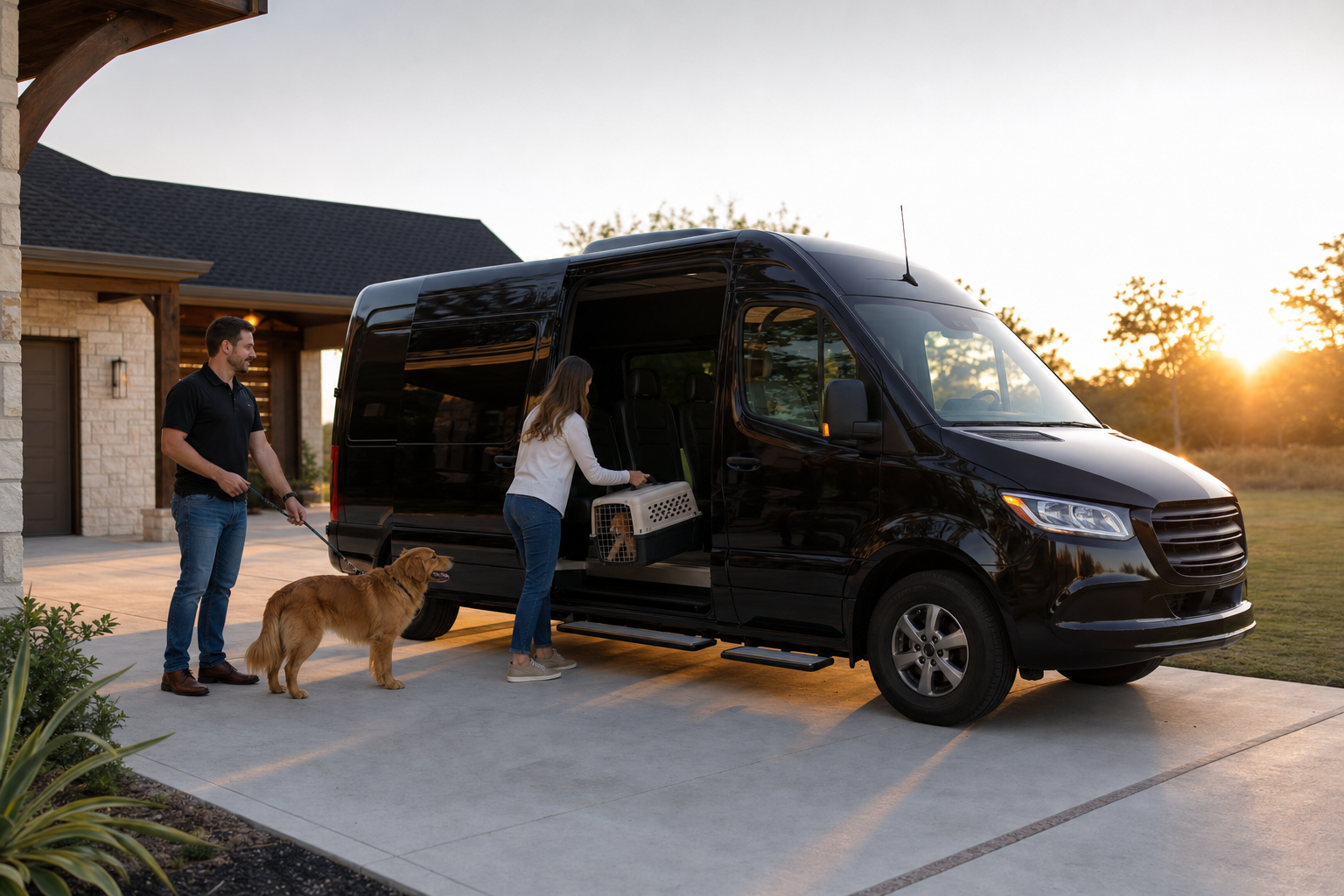
- एयरपोर्ट शटल सेवाएँ: Texas Shuttle एक भरोसेमंद विकल्प है जो दर‑दर परिवहन प्रदान करता है, जिससे आपको ड्राइव करने, पार्किंग का भुगतान करने या अंतिम‑क्षण की यात्रा व्यवस्था करने की ज़रूरत नहीं पड़ती। टेक्सास शटल सेवाएँ एयरपोर्ट शटल सेवाएँ
- ड्रॉप‑ऑफ़ स्थान: अपने ड्राइवर से पुष्टि करें कि आपकी एयरलाइन के अनुसार कौन‑सा टर्मिनल और गेट है, ताकि अनलोडिंग और चेक‑इन में समय बचाया जा सके। शटल पिकअप और ड्रॉप‑ऑफ़
- संकेत सहायता: स्पष्ट रूप से चिह्नित संकेत ड्रॉप-ऑफ़ और पिकअप को मार्गदर्शित करते हैं, जिससे आप सही टर्मिनल पर हों।
3. सुरक्षा पर क्या अपेक्षा रखें
DFW में TSA सुरक्षा को पार करना अक्सर तेज़ हो सकता है यदि आप अच्छी तरह तैयार हों।
- TSA प्रीचेक और क्लियर: इन कार्यक्रमों के साथ सुरक्षा लाइनों में काफी समय बचाएँ।
- पीक टाइम: कार्यदिवस की सुबहें और छुट्टी के सप्ताहांत आमतौर पर अधिक व्यस्त होते हैं, इसलिए इन समय में जल्दी पहुँचने की योजना बनाएँ।
- प्रतिबंधित वस्तुएँ: प्रक्रिया में देरी से बचने के लिए प्रतिबंधित वस्तुओं को पैक न करने हेतु TSA दिशानिर्देश देखें।
4. हवाई अड्डे के भीतर नेविगेशन
एक बार अंदर पहुँचने पर, कुशलता से घूमना महत्वपूर्ण है।
- Skylink का उपयोग करें: Skylink ट्रेन टर्मिनलों के बीच तेज़ी से नेविगेट करने का सबसे अच्छा तरीका है।
- चलने योग्य टर्मिनल: यदि आपके टर्मिनल पास‑पास हैं, तो आप आसानी से चल सकते हैं और विशाल डिज़ाइन तथा चलती पथों का आनंद ले सकते हैं।
- ट्रांसफ़र का समय: यदि आप गैर‑सन्निकट टर्मिनलों के बीच जा रहे हैं तो 10–20 मिनट का ट्रांसफ़र समय रखें।
5. ग्राउंड ट्रांसपोर्टेशन विकल्प
DFW से निकलना जटिल नहीं होना चाहिए।
- टेक्सास शटल स्मूथ पिकअप के लिए: अपनी सवारी पहले से बुक करें और अपने अगले गंतव्य तक बिना किसी परेशानी के यात्रा का आनंद लें।
- राइडशेयर और रेंटल्स: DFW में Uber, Lyft और रेंटल कार पिकअप के लिए निर्धारित क्षेत्र हैं, लेकिन पीक आवर्स में इनकी प्रतीक्षा लंबी हो सकती है।
- सार्वजनिक परिवहन: DART की ऑरेंज लाइन DFW को डाउनटाउन डैलस से जोड़ती है, हालांकि यह निजी विकल्पों की तुलना में अधिक समय ले सकती है।
6. भोजन और शॉपिंग विकल्प
भोजन और रिटेल थेरेपी आपके यात्रा समय को अधिक आनंददायक बना सकते हैं।
- डाइनिंग हाइलाइट्स: DFW में क्विक बाइट्स जैसे Chick-fil-A और Starbucks से लेकर अपस्केल वेन्यू जैसे Pappadeaux Seafood Kitchen और The Capital Grille तक विकल्प उपलब्ध हैं।
- स्थानीय स्वाद: टेक्स‑मैक्स स्टेपल्स जैसे Cantina Laredo को आज़माएँ और उड़ान से पहले टेक्सास का स्वाद लें।
- शॉपिंग अनिवार्य-स्टॉप: बुटीक जैसे Brookstone, Coach, और टेक्सास-थीम वाले गिफ्ट शॉप्स सभी टर्मिनलों में स्थित हैं।
7. लाउंज एक्सेस
उड़ान से पहले आराम करें DFW के प्रीमियम लाउंज में जाकर।
- Admirals Club: केवल American Airlines यात्रियों के लिए, स्नैक्स, ड्रिंक्स, कार्यस्थल और अधिक प्रदान करता है।
- The Centurion Lounge: American Express कार्डधारकों के लिए उपलब्ध, जिसमें गॉरमेट भोजन और स्पा सेवाएँ हैं।
- Delta Sky Club: Delta यात्रियों के लिए सुविधाजनक रूप से स्थित, जिसमें पर्याप्त बैठने की व्यवस्था और सुविधाएँ हैं।
8. बच्चों के अनुकूल सेवाएँ
बच्चों के साथ यात्रा कर रहे हैं? DFW ने आपकी मदद की है।
- प्ले एरिया: इंटरैक्टिव प्ले ज़ोन बच्चों को उड़ानों के बीच ऊर्जा खर्च करने की अनुमति देते हैं।
- फैमिली बाथरूम: सभी टर्मिनलों में उपलब्ध, जिससे बच्चों के साथ यात्रा अधिक सुविधाजनक बनती है।
- नर्सिंग एरिया: माताओं के लिए गोपनीयता प्रदान करने वाले निर्धारित स्थान।
9. DFW में अंतरराष्ट्रीय यात्रा
यदि आप विदेश यात्रा कर रहे हैं, तो यहाँ क्या उम्मीद की जाए।
- टर्मिनल D हब: सभी अंतरराष्ट्रीय उड़ानें टर्मिनल D से संचालित होती हैं, जिसमें कस्टम्स और इमीग्रेशन सुविधाएँ हैं।
- ग्लोबल एंट्री: पूर्व-स्वीकृत पात्रता के साथ यू.एस. में पुनः प्रवेश की प्रक्रिया को तेज़ करता है।
- मुद्रा विनिमय: आपकी सुविधा के लिए कई मुद्रा विनिमय काउंटर उपलब्ध हैं।
10. DFW के लिए पार्किंग टिप्स
यदि आपको हवाई अड्डे तक ड्राइव करना है, तो पार्किंग को बिना झंझट के बनाएं।
- वैलेट: सुव्यवस्थित ड्रॉप-ऑफ़ और पिकअप, छोटे‑समय के ठहराव के लिए आदर्श।
- इकोनॉमी लॉट्स: लंबी यात्राओं के लिए, यहाँ पार्किंग अधिक किफायती है।
- एक्सप्रेस पार्किंग: मध्य-श्रेणी की कीमतों के साथ टर्मिनलों तक शटल सेवा शामिल है।
तनाव को छोड़ें और टेक्सास शटल के साथ DFW की अपनी यात्रा को सहज बनाएं। हमारी आरामदायक, भरोसेमंद और किफायती शटल सेवाएं सुनिश्चित करती हैं कि आप हमेशा समय पर पहुंचें। आज ही अपनी सवारी बुक करें और मन की शांति का आनंद लें। अपनी परिवहन व्यवस्था को संयोग पर न छोड़ें—अभी आरक्षित करें और आत्मविश्वास के साथ यात्रा करें।
डैलस/फ़ोर्ट वर्थ (DFW) जैसे बड़े और गतिशील हवाई अड्डे को नेविगेट करना उतना कठिन नहीं है जितना लगता है, यदि आपके पास सही जानकारी हो। DFW के लेआउट को समझकर, सुरक्षा के लिए तैयारी करके, और भरोसेमंद ग्राउंड ट्रांसपोर्टेशन बुक करके, आपका यात्रा अनुभव कुशल और आनंददायक हो सकता है।
चाहे आप DFW पर पहुंच रहे हों या प्रस्थान कर रहे हों, टेक्सास शटल वह भरोसेमंद हवाई अड्डा शटल सेवा प्रदान करता है जिसकी आपको अपनी यात्रा को सुगम बनाने के लिए आवश्यकता है। आज ही अपनी सवारी बुक करके अपने परिवहन को तनाव‑मुक्त बनाएं। सुरक्षित यात्रा!
अक्सर पूछे जाने वाले प्रश्न
टर्मिनलों के बीच स्काइलिंक ट्रेन कितनी बार चलती है?
Skylink ट्रेन हर दो मिनट में चलती है। इस मार्ग पर सवारी चाहिए? फ्लैट‑रेट प्राइसिंग और 24/7 सेवा के लिए हमारी डोर‑टू‑डोर फ़ोर्ट वर्थ से DFW शटल बुक करें।
लंबी TSA सुरक्षा लाइनों से बचने का सबसे अच्छा तरीका क्या है?
सुरक्षा लाइनों में काफी समय बचाने के लिए TSA प्री‑चेक या Clear का उपयोग करें।
क्या मैं टर्मिनल A और टर्मिनल B के बीच चल सकता हूँ?
हां, टर्मिनल A और B सटे हुए हैं, इसलिए आप आसानी से उनके बीच चल सकते हैं।
यदि मैं पीक यात्रा समय में पहुंचता हूँ तो मुझे क्या करना चाहिए?
लंबी सुरक्षा लाइनों से बचने के लिए सप्ताह के दिनों की सुबह या छुट्टी के सप्ताहांत में जल्दी पहुंचने की योजना बनाएं। तनाव‑मुक्त विकल्प के लिए हमारी Fort Worth से Dallas शटल देखें, जिसमें अग्रिम फ्लैट रेट और डोर‑टू‑डोर पिकअप शामिल है।
क्या आप कोई अलग मार्ग योजना बना रहे हैं? फ्लैट-रेट प्राइसिंग और ऑनलाइन बुकिंग के लिए हमारी DFW हवाई अड्डा शटल सेवा पृष्ठ देखें।