DFW বিমানবন্দর টার্মিনাল গাইড: ওয়াকওয়ে, স্কাইলিংক + ট্রান্সফার সময়

Texas Shuttle
ডালাস/ফোর্ট ওয়ার্থ বিমানবন্দরে প্রফেশনালের মতো চলাফেরার সম্পূর্ণ গাইড ডালাস/ফোর্ট ওয়ার্থ আন্তর্জাতিক বিমানবন্দর (DFW) বিশ্বের অন্যতম ব্যস্ত ও বৃহত্তম হাব, যেখানে প্রতি বছর লক্ষ লক্ষ ভ্রমণকারী আসা-যাওয়া করেন। এর বিশালতা ও ব্যাপ্তি প্রথমে অপ্রতিরোধ্য মনে হলেও, সঠিক তথ্য জানা থাকলে এই বিশাল বিমানবন্দরে চলাফেরা করা খুবই সহজ হতে পারে। আপনি বহু প্রতীক্ষিত ছুটিতে যাচ্ছেন না কিংবা ছোট কোনো ব্যবসায়িক সফরে পৌঁছাচ্ছেন — এই গাইড আপনাকে টার্মিনাল, পরিবহন অপশন ও সুবিধাসমূহের মধ্য দিয়ে পথ খুঁজে নিতে সাহায্য করবে। পরবর্তী DFW সফরকে সহজ করতে ইনসাইডার টিপসগুলো জানতে পড়ুন। ১. DFW-এর লেআউট বোঝা পাঁচটি টার্মিনাল ও ১৮২টিরও বেশি গেট থাকায় DFW-এর এক প্রান্ত থেকে অন্য প্রান্তে যাওয়া কঠিন মনে হতে পারে, তবে আসলে এটি দেখতে যত জটিল, তার চেয়ে সহজ। - সংযুক্ত টার্মিনাল: DFW-এর পাঁচটি টার্মিনাল (A, B, C, D, E) Skylink ট্রেনের মাধ্যমে সংযুক্ত — এটি একটি দক্ষ, বিনামূল্যের সেবা যা প্রতি দুই মিনিটে চলে। - টার্মিনাল ম্যাপ: একটি প্রিন্ট করা ম্যাপ সংগ্রহ করুন অথবা রিয়েল-টাইম নেভিগেশনের জন্য DFW অ্যাপ ডাউনলোড করুন। - প্রধান এয়ারলাইন হাব: উদাহরণস্বরূপ, American Airlines মূলত Terminal A, B, C এবং D থেকে পরিচালিত হয়, তাই ঠিক কোথায় যেতে হবে তা জানতে আপনার বোর্ডিং পাস দেখে নিন।
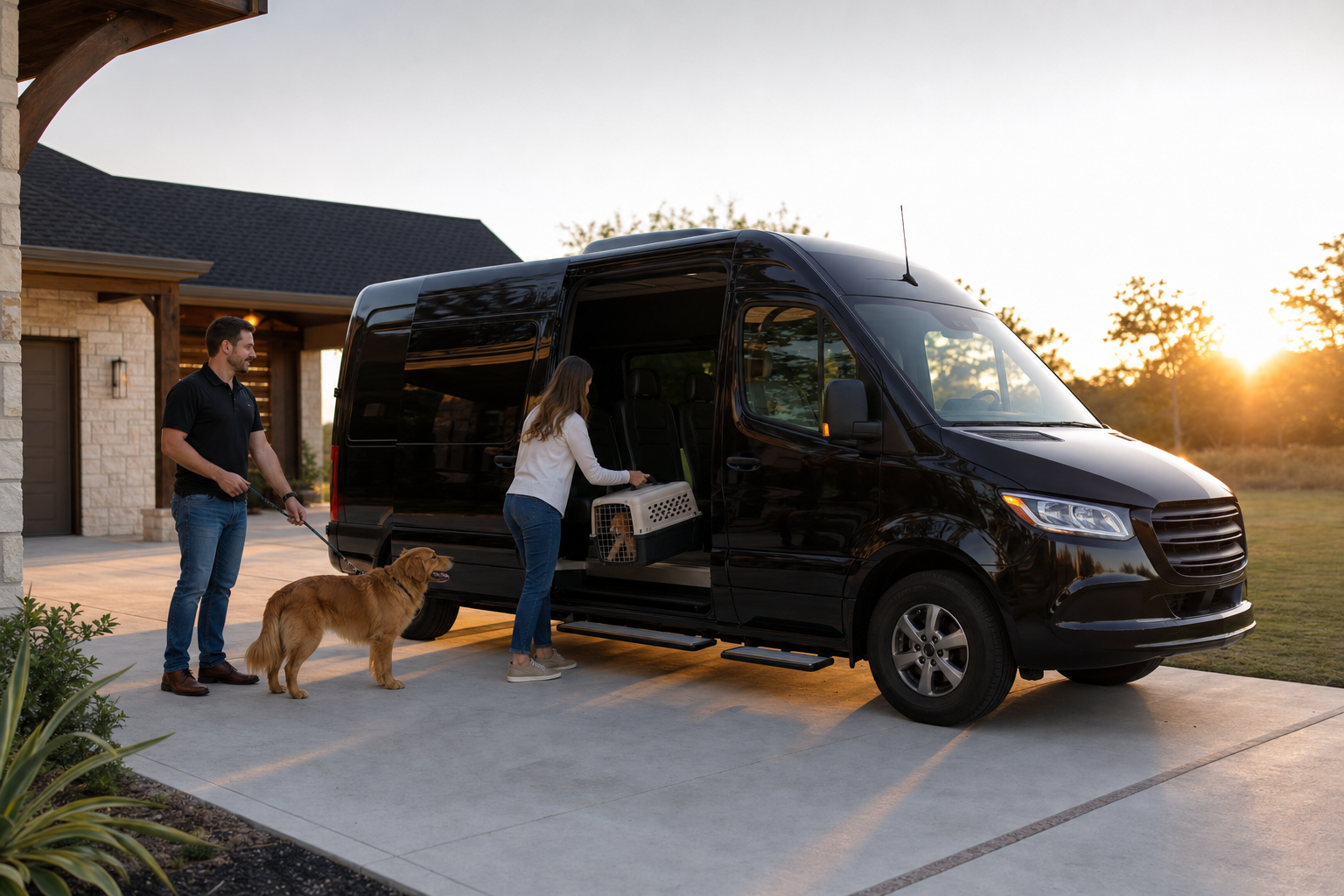
২. DFW-তে পৌঁছানো বিস্তারিত বিষয়গুলোর প্রতি যত্ন নিলেই এয়ারপোর্টে ঝামেলাহীনভাবে পৌঁছানো সম্ভব। - এয়ারপোর্ট শাটল সার্ভিস: Texas Shuttle হলো ডোর-টু-ডোর পরিবহনের একটি নির্ভরযোগ্য মাধ্যম, যা নিজে গাড়ি চালানো, পার্কিংয়ের খরচ দেওয়া বা শেষ মুহূর্তের ভ্রমণ ব্যবস্থা নিয়ে চিন্তা করার প্রয়োজনীয়তা দূর করে। Texas Shuttle-এর সেবাসমূহ এয়ারপোর্ট শাটল সার্ভিস - ড্রপ-অফ লোকেশন: আনলোডিং ও চেক-ইনে সময় বাঁচাতে আপনার ড্রাইভারের সঙ্গে নিশ্চিত হয়ে নিন আপনার এয়ারলাইনের জন্য কোন টার্মিনাল ও গেট প্রযোজ্য। শাটল পিকআপ ও ড্রপ-অফ - সাইনবোর্ডের সহায়তা: স্পষ্টভাবে চিহ্নিত সাইনবোর্ড ড্রপ-অফ ও পিকআপের পথ দেখিয়ে দেয়, যাতে আপনি সঠিক টার্মিনালে পৌঁছান।
৩. নিরাপত্তা চেকে কী আশা করবেন DFW-তে TSA নিরাপত্তা চেক প্রায়ই দ্রুত হয়, যদি আপনি ভালোভাবে প্রস্তুত থাকেন। - TSA PreCheck এবং Clear: এই প্রোগ্রামগুলোর মাধ্যমে নিরাপত্তা লাইনে উল্লেখযোগ্য সময় বাঁচান। - ব্যস্ত সময়: সপ্তাহের দিনগুলোর সকাল এবং ছুটির সপ্তাহান্তে সাধারণত বেশি ভিড় থাকে, তাই এই সময়গুলোতে আগেভাগে পৌঁছানোর পরিকল্পনা করুন। - নিষিদ্ধ জিনিসপত্র: নিষিদ্ধ জিনিস বহন করে প্রক্রিয়ায় বিলম্ব এড়াতে TSA নির্দেশিকা দেখে নিন।
4. এয়ারপোর্টের ভেতরে চলাফেরা ভেতরে ঢোকার পর দক্ষতার সাথে চলাফেরা করাই মূল বিষয়। - Skylink ব্যবহার করুন: Skylink ট্রেনই টার্মিনালগুলোর মধ্যে দ্রুত যাতায়াতের সর্বোত্তম উপায়। - হাঁটার উপযোগী টার্মিনাল: আপনার টার্মিনালগুলো পাশাপাশি থাকলে বিস্তৃত নকশা আর চলন্ত ওয়াকওয়ে উপভোগ করতে করতে সহজেই হেঁটে যেতে পারেন। - স্থানান্তরের সময়: পাশাপাশি নয় এমন টার্মিনালের মধ্যে যেতে হলে স্থানান্তরের জন্য ১০–২০ মিনিট সময় রাখুন।
৫. DFW ছেড়ে যাওয়ার গ্রাউন্ড ট্রান্সপোর্টেশন অপশন DFW ছেড়ে যাওয়া জটিল হতে হবে না। - Texas Shuttle দিয়ে সহজ পিকআপ: আগে থেকেই আপনার রাইড বুক করুন এবং পরবর্তী গন্তব্যে ঝামেলাহীন যাত্রা উপভোগ করুন। - Rideshare এবং ভাড়ার গাড়ি: DFW-তে Uber, Lyft এবং ভাড়ার গাড়ি পিকআপের জন্য নির্দিষ্ট জায়গা রয়েছে, তবে ব্যস্ত সময়ে এগুলোর জন্য দীর্ঘ অপেক্ষা করতে হতে পারে। - পাবলিক ট্রানজিট: DART-এর Orange Line DFW-কে ডাউনটাউন Dallas-এর সাথে সংযুক্ত করে, যদিও ব্যক্তিগত পরিবহনের তুলনায় এতে বেশি সময় লাগতে পারে।
৬. ডাইনিং এবং শপিং অপশন খাবার আর শপিং আপনার ভ্রমণের সময়কে আরও আনন্দদায়ক করে তুলতে পারে। - ডাইনিং হাইলাইটস: DFW-তে Chick-fil-A আর Starbucks-এর মতো দ্রুত খাবার থেকে শুরু করে Pappadeaux Seafood Kitchen এবং The Capital Grille-এর মতো উচ্চমানের রেস্টুরেন্ট পর্যন্ত সব ধরনের অপশন রয়েছে। - স্থানীয় স্বাদ: উড়ার আগে Texas-এর স্বাদ নিতে Cantina Laredo-র মতো Tex-Mex খাবার ট্রাই করুন। - শপিংয়ের জন্য অবশ্যই ঘুরে দেখুন: Brookstone, Coach-এর মতো বুটিক এবং Texas-থিমের গিফট শপগুলো সব টার্মিনালেই রয়েছে।
৭. লাউঞ্জ অ্যাক্সেস আপনার ফ্লাইটের আগে DFW-এর প্রিমিয়াম লাউঞ্জগুলোর যেকোনো একটি ঘুরে এসে আরাম করে সময় কাটান। - Admirals Club: শুধুমাত্র American Airlines-এর যাত্রীদের জন্য, যেখানে থাকছে স্ন্যাকস, পানীয়, ওয়ার্কস্টেশন আরও অনেক কিছু। - The Centurion Lounge: American Express কার্ডধারীদের জন্য উন্মুক্ত, যেখানে রয়েছে গুরমেট ডাইনিং এবং স্পা সার্ভিস। - Delta Sky Club: Delta-র যাত্রীদের সুবিধার জন্য সুবিধাজনক জায়গায় অবস্থিত, পর্যাপ্ত বসার জায়গা এবং সুযোগ-সুবিধা সহ।
৮. শিশুদের জন্য বিশেষ সেবা শিশুদের নিয়ে ভ্রমণ করছেন? DFW আপনার জন্য সব ব্যবস্থা রেখেছে। - খেলার জায়গা: ফ্লাইটের মাঝে শিশুরা কিছুটা এনার্জি খরচ করার জন্য ইন্টারঅ্যাক্টিভ প্লে জোন রয়েছে। - ফ্যামিলি বাথরুম: সব টার্মিনালেই রয়েছে, যা শিশুদের সঙ্গে ভ্রমণকে অনেক সহজ করে তোলে। - নার্সিং এরিয়া: যাত্রাপথে মায়েরা যারা একান্তে থাকতে চান, তাদের জন্য নির্দিষ্ট জায়গা রয়েছে।
৯. DFW-তে আন্তর্জাতিক ভ্রমণ আপনি যদি বিদেশে উড়ে যান, তাহলে যা প্রত্যাশা করতে পারেন তা এখানে দেওয়া হলো। - টার্মিনাল D হাব: সব আন্তর্জাতিক ফ্লাইট টার্মিনাল D থেকে পরিচালিত হয়, যেখানে কাস্টমস ও ইমিগ্রেশন সুবিধা রয়েছে। - Global Entry: পূর্ব-অনুমোদিত যোগ্যতার মাধ্যমে যুক্তরাষ্ট্রে ফিরে আসার প্রক্রিয়া দ্রুত করে। - কারেন্সি এক্সচেঞ্জ: আপনার সুবিধার জন্য একাধিক মুদ্রা বিনিময় কাউন্টার উপলব্ধ রয়েছে।
১০. DFW-এর জন্য পার্কিং টিপস আপনার যদি বিমানবন্দরে গাড়ি চালিয়ে যেতে হয়, তাহলে পার্কিংকে ঝামেলামুক্ত করুন। - Valet: সুব্যবস্থাপিত ড্রপ-অফ ও পিকআপ, স্বল্পমেয়াদি থাকার জন্য আদর্শ। - Economy Lots: দীর্ঘ সফরের জন্য এখানে পার্কিং আরও সাশ্রয়ী। - Express Parking: মাঝারি মানের দামের সাথে টার্মিনাল পর্যন্ত শাটল পরিষেবা বিনামূল্যে। Texas Shuttle-এর সাথে চাপমুক্ত থেকে আপনার DFW যাত্রাকে নিরবচ্ছিন্ন করুন। আমাদের আরামদায়ক, নির্ভরযোগ্য এবং সাশ্রয়ী শাটল পরিষেবা নিশ্চিত করে যে আপনি সবসময় সময়মতো পৌঁছাবেন। আজই আপনার রাইড বুক করুন এবং শান্ত মন উপভোগ করুন। আপনার যাতায়াতের ব্যাপারটা ভাগ্যের উপর ছেড়ে দেবেন না—এখনই রিজার্ভ করুন এবং নিশ্চিন্তে ভ্রমণ করুন। Dallas/Fort Worth-এর মতো বিশাল ও ব্যস্ত বিমানবন্দরে চলাফেরা করা সঠিক তথ্য জানা থাকলে যতটা কঠিন মনে হয়, ততটা নয়। DFW-এর লেআউট সম্পর্কে জেনে নেওয়া, সিকিউরিটির জন্য প্রস্তুত হওয়া এবং নির্ভরযোগ্য গ্রাউন্ড ট্রান্সপোর্টেশন বুক করার মাধ্যমে আপনার ভ্রমণের অভিজ্ঞতা হতে পারে দক্ষ ও আনন্দদায়ক।
আপনি DFW-তে পৌঁছান বা রওনা হোন — Texas Shuttle-এর নির্ভরযোগ্য এয়ারপোর্ট শাটল পরিষেবা আপনার যাত্রাকে সহজ ও ঝামেলামুক্ত করবে। আজই আপনার রাইড বুক করুন এবং পরিবহনের চিন্তা একেবারে দূর করুন। নিরাপদ যাত্রা কামনা করছি!
সাধারণ জিজ্ঞাসিত প্রশ্নাবলী
স্কাইলিংক ট্রেনটি টার্মিনালগুলোর মধ্যে কত ঘন ঘন চলে?
দ্য স্কাইলিংক ট্রেনটি প্রতি দুই মিনিটে চলে। এই রুটে যাত্রা করতে চান? ফ্ল্যাট রেটে এবং ২৪/৭ পরিষেবার জন্য আমাদের ডোর-টু-ডোর ফোর্ট ওয়ার্থ থেকে DFW শাটল বুক করুন।
TSA সিকিউরিটি চেকে দীর্ঘ লাইন এড়ানোর সবচেয়ে ভালো উপায় কী?
নিরাপত্তা লাইনে উল্লেখযোগ্য সময় বাঁচাতে TSA PreCheck বা Clear ব্যবহার করুন।
আমি কি টার্মিনাল A এবং টার্মিনাল B-এর মধ্যে হেঁটে যেতে পারি?
হ্যাঁ, টার্মিনাল A এবং B পাশাপাশি অবস্থিত, তাই আপনি সহজেই হেঁটে এক টার্মিনাল থেকে অন্য টার্মিনালে যেতে পারবেন।
পিক ট্রাভেল সময়ে পৌঁছালে আমার কী করা উচিত?
সোমবার-শুক্রবার সকালে বা ছুটির সপ্তাহান্তে দীর্ঘ সিকিউরিটি লাইন এড়াতে আগেভাগে পৌঁছানোর পরিকল্পনা করুন। ঝামেলামুক্ত বিকল্পের জন্য দেখুন আমাদের Fort Worth থেকে Dallas শাটল — আগে থেকে জানা ফ্ল্যাট রেট এবং দরজা থেকে পিকআপ সুবিধাসহ।
অন্য কোনো রুটে যাচ্ছেন? ফ্ল্যাট-রেট মূল্য এবং অনলাইন বুকিংয়ের জন্য আমাদের DFW এয়ারপোর্ট শাটল সার্ভিস পেজটি দেখুন।